Can food that has been crawled on by flies still be eaten?
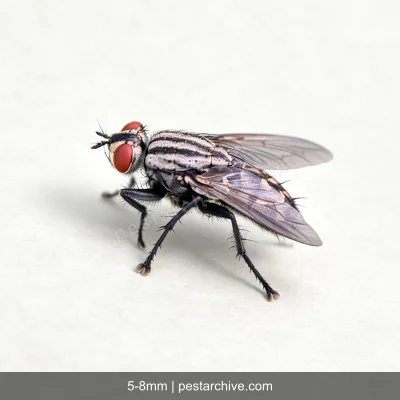
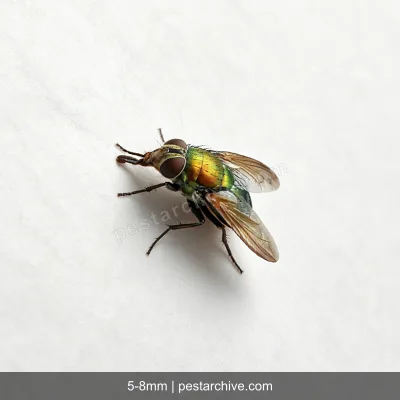
Can food that has been crawled on by flies still be eaten?
Whether food that has been touched by flies is still safe to eat is a common dilemma. From a food safety perspective, the risks and handling methods are as follows:
What flies leave behind on food
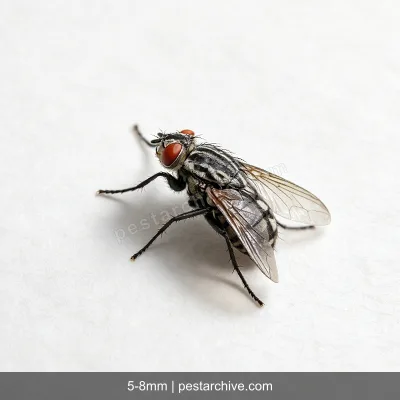
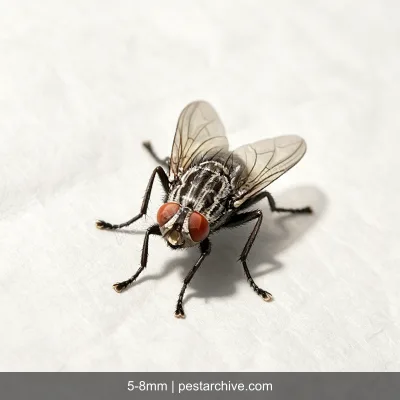
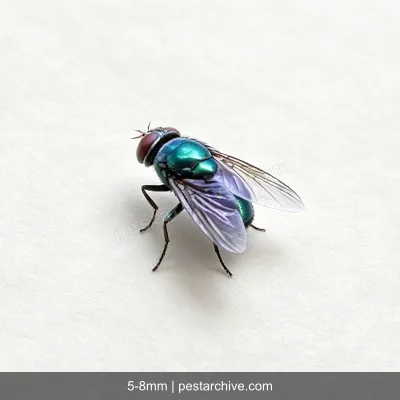
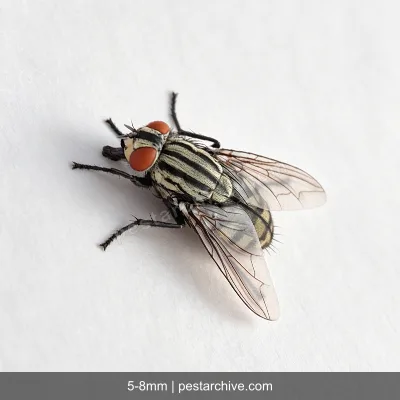
Flies do more than just "touch" food; they leave:
- Surface bacteria — flies come from garbage and feces, carrying large numbers of bacteria on their feet and body.
- Vomit — before eating solid food, flies regurgitate digestive fluids (containing bacteria) to dissolve it, then suck it back up.
- Feces — flies defecate while feeding, leaving droppings on the food.
- Eggs — female flies may lay eggs on suitable food.
Risk assessment for different situations
- Fly landed briefly and was shooed away — low risk; cut off the contacted portion.
- Fly remained on the food for some time — moderate risk; remove the contacted portion and thoroughly heat the food before eating.
- Multiple flies on the surface or fly eggs present — high risk; discard the entire portion.
Who needs to be extra cautious?
The following groups should avoid eating any food that has been contacted by flies:
- Infants and young children (developing immune systems).
- The elderly.
- Pregnant women.
- Immunocompromised individuals (cancer patients, organ transplant recipients, HIV patients, etc.).
- People with chronic digestive diseases.
The safest approach
Rather than worrying about "can I eat it," focus on prevention:
- Cover food with food covers.
- Refrigerate leftovers promptly.
- Install screens on kitchen windows and doors.
- Regularly treat fly resting areas with dinotefuran-containing household insecticide.