Where Are Sand Flies Most Common?
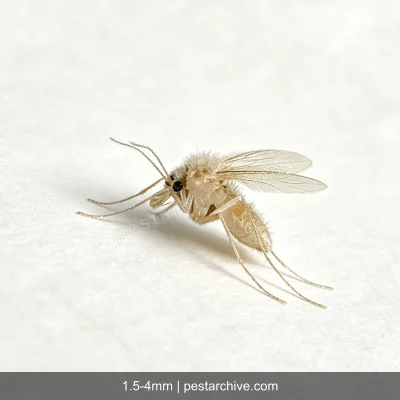
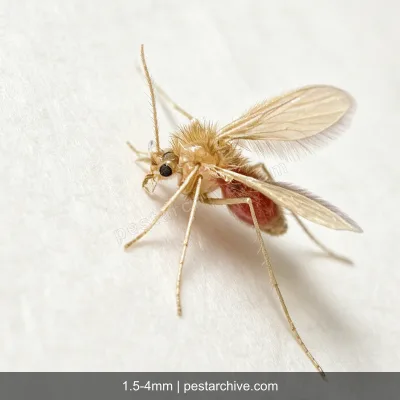
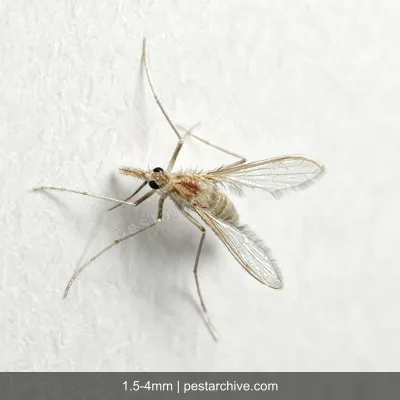
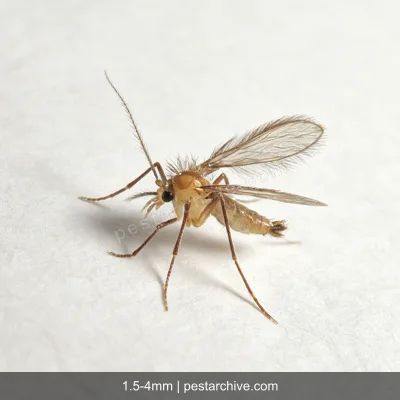

Where Are Sand Flies Most Commonly Found?
Sand flies are more common in rural areas and the urban-rural fringe. Mud-brick walls, old houses, chicken coops and duck sheds, and wood piles are the most common spots. Sand flies have a small activity range — they usually stay within a few dozen meters of their breeding site. Unlike mosquitoes, they don't travel far, so the risk is concentrated in localized areas.
Specifically, sand flies are most often found in these places:
- Human dwellings — The cracks in mud-brick walls and old houses. Sand flies hide in these cracks during the day and come out at night. These wall cracks also serve as sites for egg-laying and larval development.
- Animal-raising areas — Near chicken coops, duck sheds, and pigeon lofts, because animal droppings and damp soil in these areas provide abundant organic food for sand fly larvae.
- Debris piles — Under wood piles, brick stacks, and scrap lumber. These spots are dark and damp — ideal daytime hiding places for sand flies.
- Yard corners — At the base of courtyard walls, in the weeds along flower bed edges, especially on the side closest to livestock sheds.
Sand flies become active after dusk and peak around midnight. They are weak fliers with a short flight range. So if any of these environments are present around your home, sealed window screens and regular residual surface treatment on walls are especially important — they can effectively reduce sand fly density.