How to prevent sandflies?
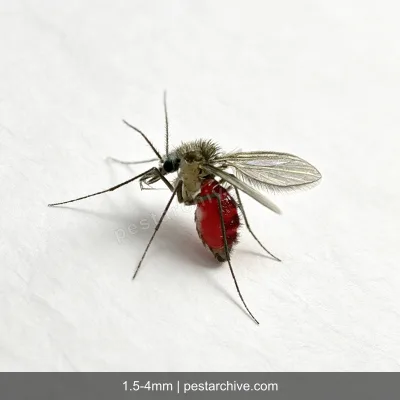
How to prevent sandflies?
Preventing sandflies requires a comprehensive approach involving personal protection, physical barriers, and environmental management to effectively reduce the risk of bites. Sandflies are weak fliers, which is an advantage for control.
Personal protection
- Avoid peak activity times — Sandflies are most active between dusk and dawn (especially from 8 PM to 2 AM). Minimize outdoor exposure during these hours.
- Wear long sleeves and pants — Light-colored long-sleeved clothing and pants reduce exposed skin; sandflies are less attracted to light colors.
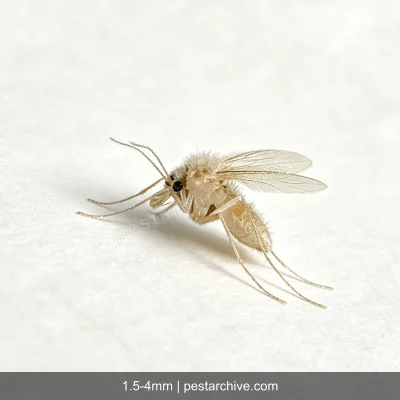
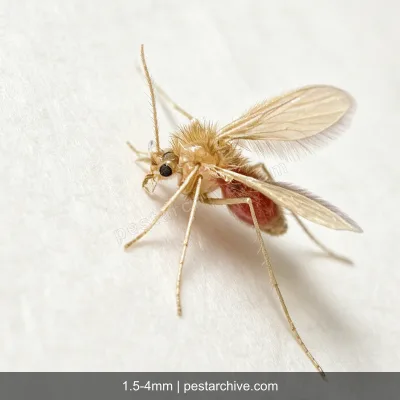
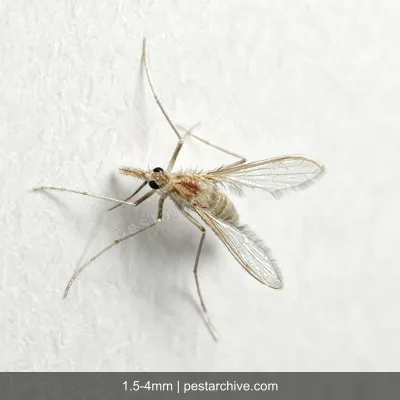
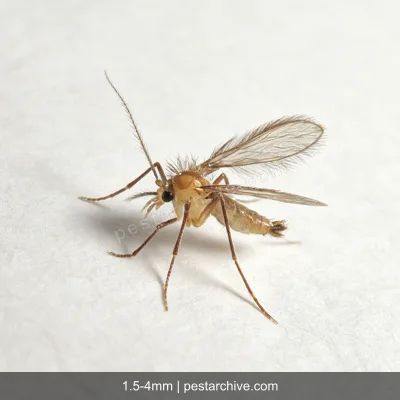
- Use fine-mesh mosquito nets — Sandflies are much smaller than mosquitoes (1.5-3mm). Ordinary mosquito nets have mesh that is too large; use fine-mesh nets (at least 40 mesh).
Physical barriers
- Install fine-mesh screens — Ordinary screens (16-18 mesh) cannot block sandflies. Replace them with fine-mesh screens (at least 40 mesh). Nylon mesh is affordable and effective.
- Seal door gaps — Install weather stripping under door frames to prevent sandflies from entering through gaps.
- Utilize cross-ventilation — Sandflies are weak fliers; cross-ventilation can blow them away. Create convective airflow in summer.
Environmental management
- Residual wall spraying — Sandflies are weak fliers and prefer to rest on walls—this is their biggest weakness. Spray household hygiene insecticide spray containing deltamethrin on walls, corners, behind curtains, behind doors, etc. Sandflies die upon contact with the dried residue. This is one of the most effective prevention methods.
- Yard management — Keep chicken coops, pigeon lofts, and livestock sheds away from the house. Clean manure and bedding regularly.
- Eliminate breeding sites — Remove weeds, piles of bricks/tiles, rotting wood, and other damp debris from the yard to reduce breeding grounds for sandfly larvae.
- Keep indoors dry — Avoid clutter in corners; maintain ventilation and dryness to eliminate hiding places for sandflies.