What harm do sandflies cause?
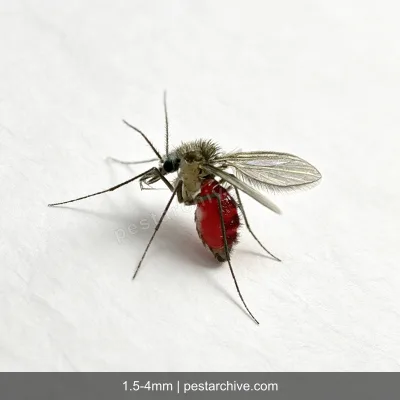
What harm do sandflies cause?
Although sandflies are smaller than mosquitoes, their harm should not be underestimated, mainly including direct and indirect harm:
Direct Harm (the bite itself)
- Severe itching — The reaction to a sandfly bite is often more severe than that of a mosquito. Because their mouthparts are shorter, they need to probe repeatedly to find a blood vessel, causing greater mechanical damage to tissues.
- Persistent redness and swelling — Red papules or blisters appear at the bite site, with extensive redness that subsides slowly (sometimes lasting over a week).
- Pigmentation — After repeated sandfly bites, dark brown pigmented spots may appear on the skin, especially on exposed areas like the lower legs and forearms, affecting appearance.
- Secondary infection — Intense itching can lead to skin breaks from scratching, which may become infected and cause pustules.
Indirect Harm (the greatest danger)
The greatest harm from sandflies is their ability to transmit diseases, the most important of which is kala-azar (visceral leishmaniasis):
- Pathogen: Leishmania, an intracellular protozoan parasite
- Transmission: Sandflies ingest the parasite when biting an infected person, then inject it when biting a healthy person
- Symptoms: Prolonged irregular fever, splenomegaly, anemia, weight loss, nosebleeds, etc.
- Without timely treatment, the mortality rate is high (up to over 90%)
- In China, it is mainly prevalent in northwestern provinces such as Xinjiang, Gansu, Sichuan, and Shaanxi
Other harms
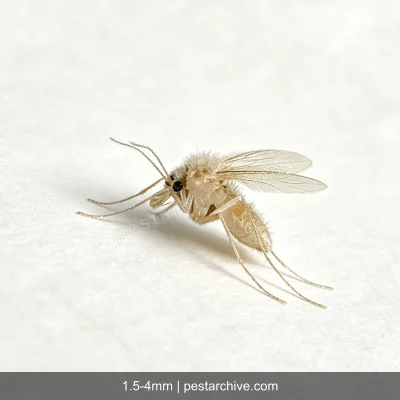
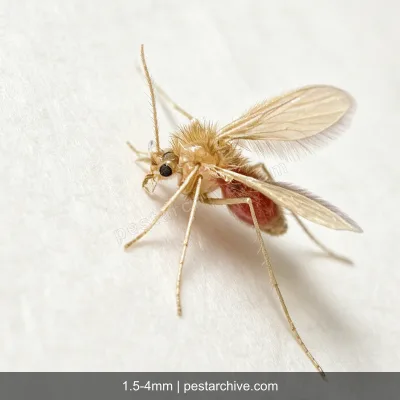
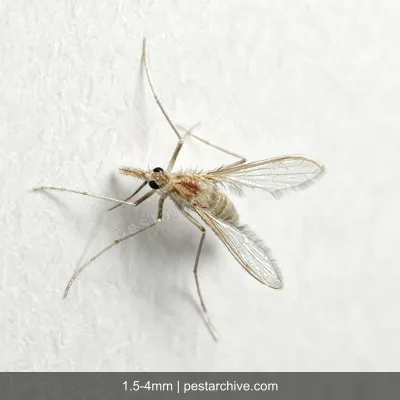
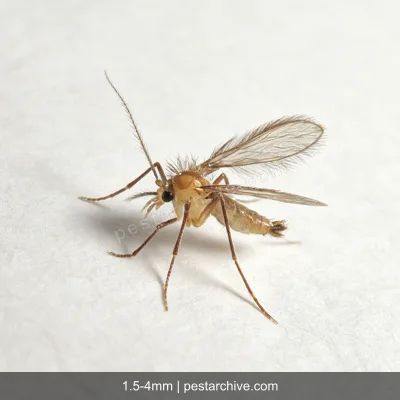
- Sandflies are small (1.5-3mm) and can pass through ordinary window screens, requiring finer mesh
- They fly silently, without the buzzing warning of mosquitoes
- They can also transmit leishmaniasis between domestic animals and pets
How to protect yourself in endemic areas?
When living or traveling in endemic areas, take special precautions against sandfly bites, including using fine-mesh mosquito nets, installing fine-mesh screens, reducing outdoor activities at dusk, wearing long sleeves and pants, and applying residual sprays on indoor walls, e.g., use a household hygiene insecticide spray containing deltamethrin.