Can household hygiene insecticide spray containing deltamethrin kill sandflies?
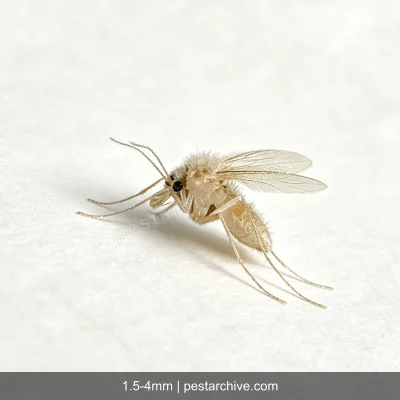
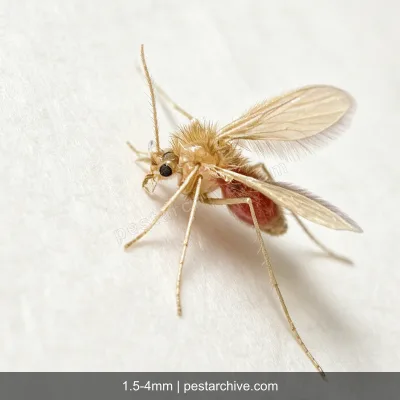
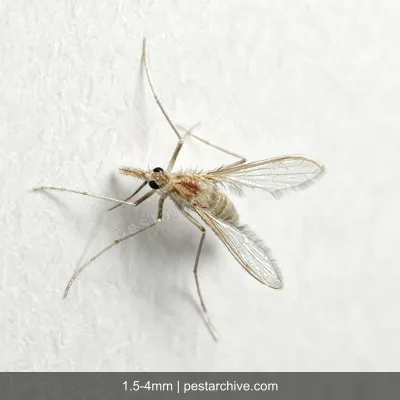
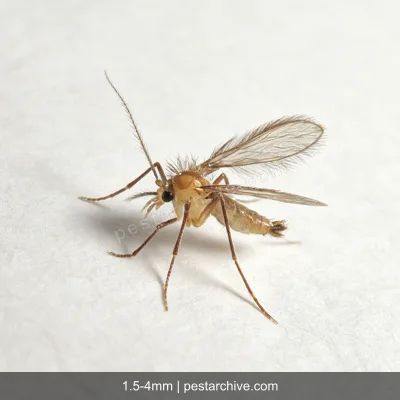
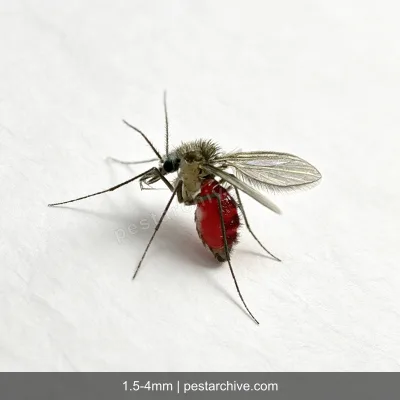
Can household hygiene insecticide spray containing deltamethrin kill sandflies? Sprays containing deltamethrin are very effective against sandflies—even more so than against mosquitoes. This is because sandfly behavior makes them particularly vulnerable to the "residual spraying" strategy of such insecticides.
Why is it so effective against sandflies?
Two sandfly habits are their Achilles' heel against these sprays:
- Weak fliers — They need to rest frequently after short flights.
- Love resting on walls — They prefer vertical surfaces, corners, and curtains.
Sprays containing deltamethrin are designed for "residual spraying"—applied to surfaces to form a film that kills insects upon contact. Since sandflies love resting on walls, they are directly exposed to the insecticide.
Detailed usage instructions
- Application areas:
- Interior walls in bedrooms and living rooms (up to 1.5 meters above the floor)
- Corners, baseboards
- Around window and door frames
- Back of curtains
- Back and sides of bedside tables and wardrobes
- Dark corners like under stairs, in basements
- Application method:
- Hold the spray nozzle 20-30 cm from the surface; spray evenly until slightly damp.
- Do not over-apply; an even coating is sufficient.
- The insecticide dries colorless and transparent, preserving aesthetics.
- Timing of application:
- Apply once as a preventive measure before the sandfly season (May-September).
- Apply immediately if sandflies are already present.
Effectiveness assessment
- Quick action: Sandflies die within hours of contact with the treated surface.
- Residual effect: Lasts 2-4 weeks on dry indoor walls.
- Safety: Once dry, it is safe for people and pets; the residue on walls does not come into contact with food.
Precautions
- Avoid spraying near food, utensils, or drinking water. Wait for the spray to dry completely before allowing family and pets back into the area.
- Do not spray in areas where infants and young children can directly touch (e.g., low walls).
- These insecticides are contact killers, not repellents; sandflies will not avoid them and will actively land on treated surfaces.