Can Sand Flies Breed Indoors?
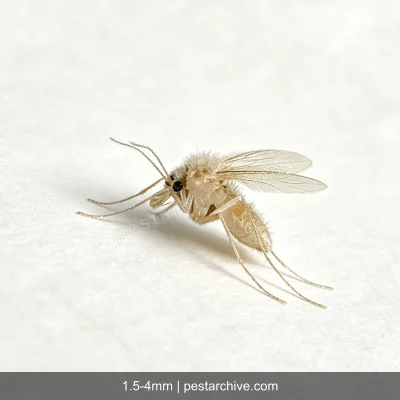
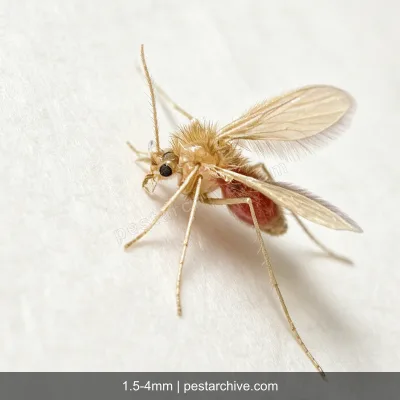
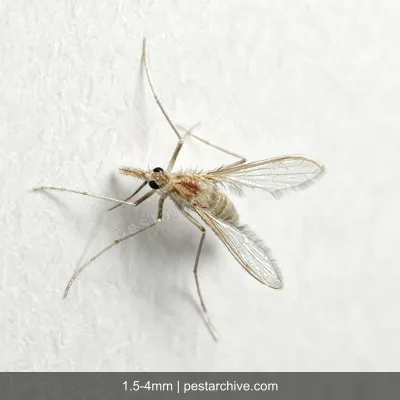
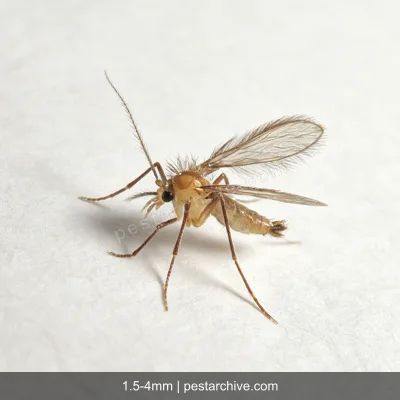
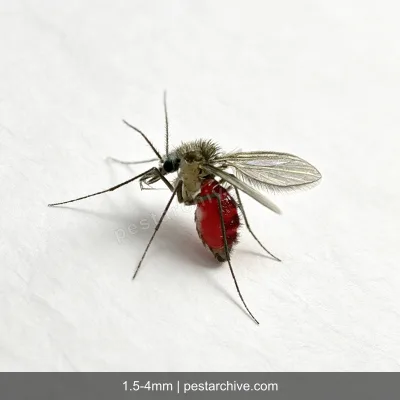
Do Sand Flies Breed Indoors?
The main breeding sites for sand flies are outdoors, but that doesn't mean indoors is absolutely safe. Understanding sand fly breeding habits helps you figure out where your indoor sand flies are coming from:
Sand fly breeding habits
Sand fly larvae need to develop in moist soil rich in organic matter, feeding on decaying plant material and animal droppings. Their natural breeding sites include: damp soil around chicken coops and duck sheds, livestock barn bedding, humus in tree holes, decaying debris piled at the base of walls, and wet mud along agricultural ditches.
Conditions that could allow indoor breeding
Although uncommon, sand flies could potentially breed indoors if the following conditions are met:
- Flower pots that constantly leak water at the bottom, with soil surfaces staying perpetually damp.
- Accumulated dust and debris in indoor corners or under flooring, combined with high humidity.
- Pet droppings not cleaned up promptly, left to rot in a corner.
- Damp soil in the cracks of mud-brick walls or brick gaps in old houses.
That said, the vast majority of adult sand flies found indoors fly in from outside — they did not breed indoors. Breeding requires the larvae to complete a full development cycle (about 4-6 weeks). So if the indoors is dry and clean, it's very unlikely to serve as a sand fly breeding site.
Prevention measures
To eliminate any possibility of indoor sand fly breeding:
- Keep indoors dry and well-ventilated. Lower the humidity.
- Fill wall cracks, floor gaps, and damage around pipes.
- Don't let water sit in flower pot saucers. Keep potting soil surfaces dry.
- Clean up pet droppings promptly.
- Vacuum regularly to remove dust and debris that accumulates in corners and under furniture.