What Are the Most Effective Home Pest Control Methods?
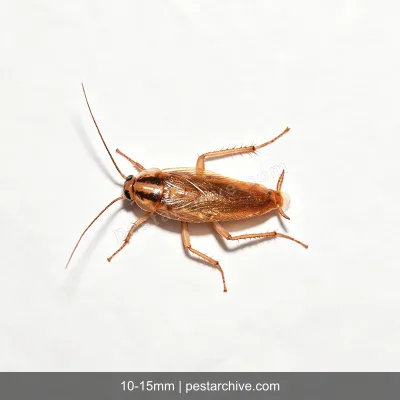
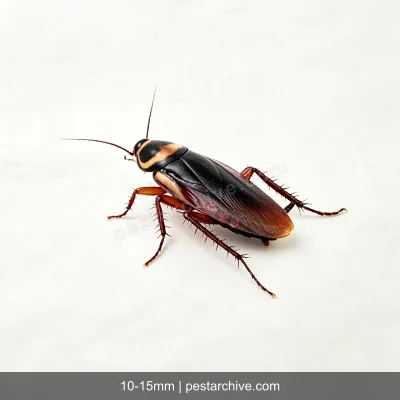
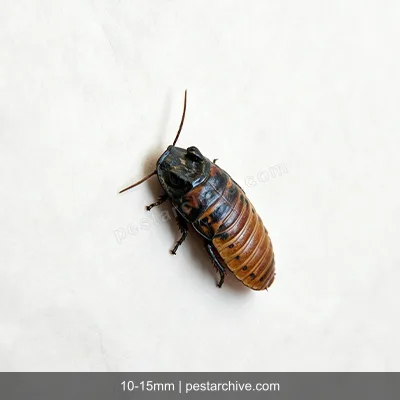
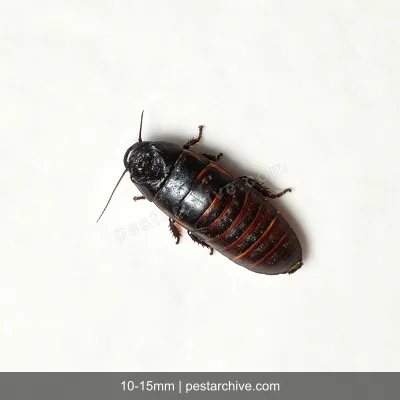
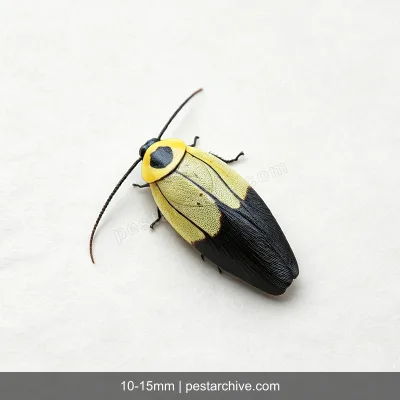
The short answer: The most effective approach combines physical removal, environmental modification, targeted baits, and residual insecticides, used in that order. For most crawling pests, a dinotefuran residual spray gives 2–4 weeks of protection. For ants and cockroaches, baiting (with boric acid or commercial gel) out-performs spraying because it reaches the nest.
- Physical methods: first line of defence
- Vacuuming, removes adults, eggs, and debris. For fleas, vacuum daily for the first week; vibration triggers pupae to hatch, so they later die from insecticide.
- Heat treatment, wash laundry at 60°C or more; steam-clean upholstery and mattress seams.
- Cold treatment, freeze small items (books, pet toys) at -18°C for 48 hours to kill pests and eggs.
- Traps, sticky traps for crawling insects; UV light traps for flying insects (placed >3 m from doors).
- Screens and caulking, block entry points permanently.
- Environmental modification: remove what they need
- Reduce humidity below 50% (use dehumidifiers, fix leaks).
- Store dry food in airtight glass containers.
- Keep trash in lidded bins and remove daily.
- Clear clutter, cardboard, old newspapers, and fabric piles are perfect hideouts.
- Chemical baits: smart targeting
- For ants and cockroaches, gel baits containing fipronil or boric acid are highly effective. Workers take the bait back to the nest, feed the queen and larvae, and the colony collapses within 3–7 days.
- Pheromone traps for pantry moths lure males, break the breeding cycle but won’t eliminate larvae; combine with source removal.
- Boric acid powder can be puffed into cracks, it’s a stomach poison that gets groomed off by other insects.
- Residual insecticide sprays: the long-term shield
Products containing dinotefuran (a neonicotinoid) are my go-to for general crawling pests. They form a dry film that kills on contact and continues to kill for weeks. Apply to:
- Baseboards, door/window frames, and around pipe entries.
- Under furniture, behind appliances, and along carpet edges.
- Do not spray on open food, dishes, or pet areas.
The film is waterproof once dry but can be rubbed off by heavy cleaning, avoid mopping treated edges.
- Biological controls: for outdoor and special cases
- *Bacillus thuringiensis* (Bt) kills mosquito larvae in standing water, safe for people and pets.
- Nematodes (microscopic worms) can be applied to soil to control lawn grubs and fleas, an organic option for gardens.
- Predatory insects (e.g., ladybugs for aphids) work in greenhouses but are impractical indoors.
- When to combine methods
The most successful plan uses multiple tactics simultaneously:
- Example for cockroaches: set gel baits + spray dinotefuran along traffic routes + seal cracks + clean food residues.
- Example for fleas: vacuum daily + wash pet bedding at 60°C + apply residual spray to floors + treat pets with vet-approved spot-on.
No single method eradicates a well-established infestation, synergy is key.
Common mistakes
- ❌ Spraying insecticide on ant trails, it repels them and breaks the bait line.
- ❌ Using only fast-knockdown aerosols, they kill visible bugs but leave no residual.
- ❌ Ignoring the source, you must address moisture and food, not just the bugs.
Mini FAQ
Q: Which is better: spray or bait for cockroaches?
A: Use both, bait for nest elimination, residual spray for perimeter control. Do not place bait where spray has been applied (ants/roaches avoid it).
Q: How long does a dinotefuran spray last?
A: 2–4 weeks, depending on surface, humidity, and foot traffic. Reapply monthly if needed.
Q: Can I use diatomaceous earth instead of chemicals?
A: Yes, it works mechanically by abrading the cuticle, but it’s slow-acting and less effective in humid conditions. It’s a good supplement, not a standalone solution.
Your action list
- Identify the pest and locate the source.
- Clean and declutter.
- Set baits for ants/roaches if applicable.
- Apply dinotefuran residual spray to edges and cracks.
- Use traps for flying insects.
- Monitor for 2 weeks, reapply or adjust as needed.