How to Get Rid of Pests Naturally Without Harming Family or Pets
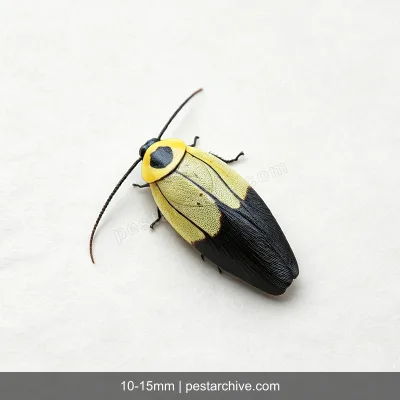
The short answer: Natural pest control works best for prevention and light infestations. Use physical barriers, traps, environmental management, and biological agents (e.g., *Bt* for mosquitoes). But be honest, if the infestation is heavy, natural methods alone are often insufficient; you’ll need to escalate to targeted, low-toxicity chemicals like dinotefuran spray. Even “natural” products require safety precautions.
- Physical barriers: the first natural defence
- Install window screens with mesh ≤1.2 mm, blocks most flying insects.
- Use door sweeps and seal cracks with caulk, stops crawling entry.
- Encase mattresses and pillows in allergen-proof covers (pore size ≤10 microns) to keep dust mites out and in.
- Clear dead leaves, vegetation, and standing water around the house exterior, this reduces breeding sites naturally.
- Traps: mechanical and low-impact
- Sticky traps along baseboards catch crawling insects, non-toxic and easy to monitor.
- UV light traps for flying insects, place at least 3 metres away from doors to avoid attracting outdoor bugs inside.
- DIY fruit fly trap, mix 1 tablespoon sugar, 1 tablespoon apple cider vinegar, a few drops of dish soap, and 100 ml water in a shallow dish. The soap breaks surface tension; flies drown.
- Pheromone traps for pantry moths and cockroaches, species-specific, safe for humans and pets.
- Biological agents
- *Bacillus thuringiensis* (Bt), a bacterium that kills mosquito larvae in water. It’s selective and has low toxicity to mammals. Use it in standing water that you can’t drain.
- Predatory insects, if you have a garden, encourage ladybugs and lacewings; they eat aphids and mites. Not practical indoors.
- Nematodes, microscopic worms that attack soil-dwelling pests like fleas and grubs; available as a spray-on for lawns.
- Environmental management: humidity and food
- Keep indoor relative humidity below 50% with dehumidifiers, this naturally suppresses dust mites, booklice, and springtails.
- Store all dry goods in airtight containers, eliminates food sources for pantry pests.
- Clean pet bedding and vacuum regularly, reduces flea and dust mite populations without chemicals.
- Trim outdoor vegetation and remove clutter, reduces harbourage for rodents and spiders.
- Diatomaceous earth (DE)**, a natural abrasive powder
- Food-grade DE can be puffed into cracks and along baseboards. It abrades the waxy cuticle of insects, causing dehydration.
- It’s slow-acting (24–72 hours) and loses effectiveness in high humidity.
- Safety: avoid inhaling the dust, wear a mask during application. It’s not harmful if ingested in small amounts, but keep away from pet eyes.
- Essential oils and plant-based repellents
- Peppermint, citronella, and tea tree oils may repel some insects temporarily.
- Mix a few drops with water and spray around entry points.
- Caution: many essential oils are toxic to cats and dogs (e.g., tea tree, eucalyptus). Do not apply directly on pets or near their food bowls. Also, they are not effective against established infestations.
- When natural methods are not enough
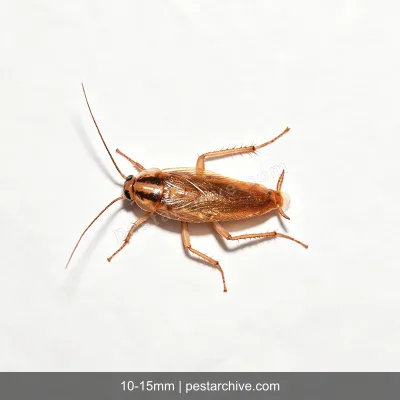
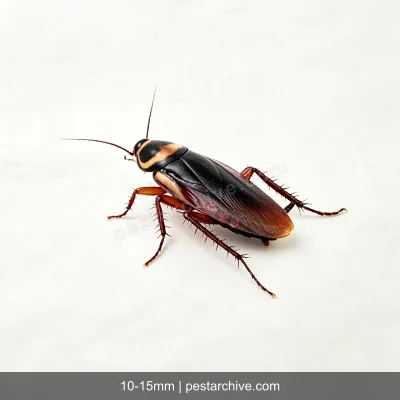
I’ve tried all-natural approaches for a severe cockroach problem, they reduced numbers but didn’t eliminate them. I had to use dinotefuran spray and gel baits to finish the job. My rule: try natural first for 2 weeks; if you still see active bugs, escalate to chemical. There’s no shame in using a product that’s approved for home use, just follow safety labels.
Common mistakes
- ❌ Thinking “natural” means safe to eat or inhale, DE and oils still need care.
- ❌ Using essential oils around cats, many are toxic.
- ❌ Relying solely on repellent sprays, they don’t kill or remove breeding sites.
Mini FAQ
Q: Is vinegar a good insecticide?
A: Vinegar repels some ants but doesn’t kill them, it’s not a solution for an infestation.
Q: Can I use natural methods for bed bugs?
A: No, bed bugs are extremely resilient; heat treatment (professional) or targeted insecticides are necessary.
Q: Do ultrasonic pest repellers work?
A: No scientific evidence supports them, save your money.
Your natural approach checklist
- Install screens and seal gaps.
- Set up traps (sticky, UV, or DIY).
- Reduce humidity and store food airtight.
- Use DE in cracks (wear mask).
- Try essential oil sprays (away from pets).
- If no improvement after 2 weeks, consider low-toxicity chemicals like dinotefuran.