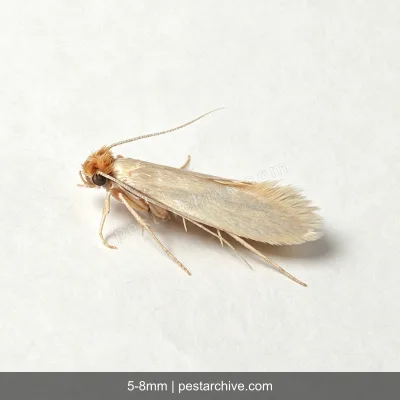
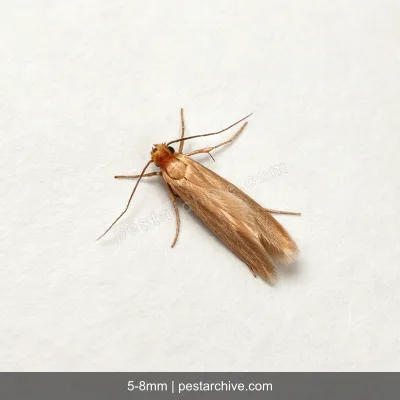
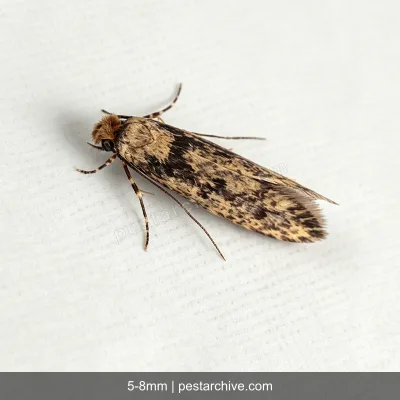
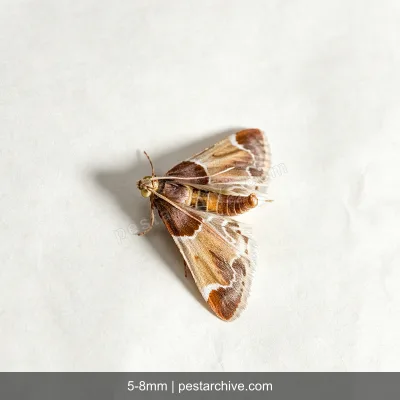
Clothes Moths Control & Removal Guide
(Webbing clothes moth, Common clothes moth)*Tineola bisselliella*
How They Get In
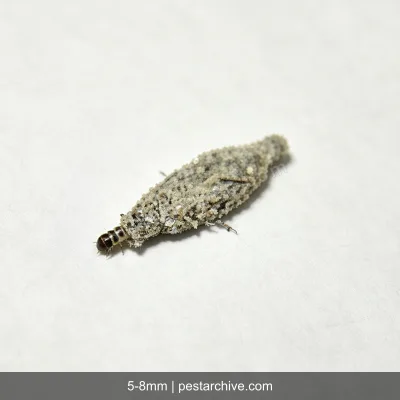
- Second-hand Wool Products: Clothes moth larvae and eggs most commonly enter through used wool sweaters, cashmere coats, wool blankets, carpets, and other animal-fiber products. Contamination rates are highest for items from second-hand clothing stores, charity clothing collections, and flea markets. Larvae are close in color to wool and hide in clothing folds, making detection extremely difficult.;
- Moving and Logistics: During moves, using contaminated cardboard boxes, storage bags, or containers that previously held wool products can bring larvae and eggs into a new home. Wool blankets and fur items stored long-term in warehouses are often found infested when retrieved.;
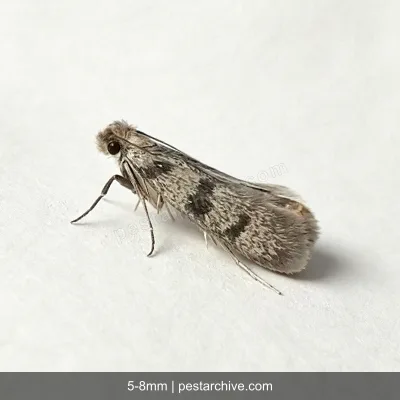
- Adult Moth Entry: Although adult flight is limited, during the adult activity season (spring-summer), moths can enter through door/window gaps and damaged screens to lay eggs on wool products in wardrobes. Adults do not feed — they only mate and lay eggs, living just 2-4 weeks.;
- Neighbor Dispersal: In multi-unit buildings, adult moths can spread from hallways or adjacent units through door/window gaps. Clothes moths also readily spread in dormitories, hotels, and other high-density living environments.
How to Get Rid of Them
- Wool Product Inspection and Treatment: Clothes moth larvae specialize in animal fibers (wool, cashmere, silk, down, fur). Inspect all long-stored, unworn wool garments, carpets, and blankets. Lightly infested items should be washed in water above 60°C for 30 minutes or dry-cleaned — high heat kills larvae and eggs. Seal heavily damaged items for disposal; do not leave them exposed where larvae can spread. Non-washable fur and wool blankets can be frozen at -18°C for 72 hours to kill all life stages. Store cleaned, uninfested wool items in sealed compression bags or insect-proof storage bags.;
- Pre-Treatment Preparation: Empty wardrobes, lift carpets, and remove sofa covers to expose all potential larval hiding crevices. Vacuum wardrobe seams, carpet edges, under sofa cushions, and corner lint and debris — clothes moth larvae feed on these fiber accumulations. Close doors and windows. Remove pets, children, food, and dishes. Shake the spray bottle well.;
- Key Treatment Zones: Wardrobe interiors and shelf panel joints — larvae feed hidden in wardrobes; spray all joints and dark corners. Carpet edges and undersides — larvae spin silk under carpet edges; lift carpets and spray the underside and edges. Under sofa cushions and in cushion folds — larvae hide here feeding on accumulated lint. Mattress surfaces and bed frame joints — down comforters and wool blanket storage areas are vulnerable. Baseboards and floor cracks — larval dispersal paths when crawling away from food sources to find pupation sites.;
- Application Method: Hold sprayer 20-30cm from surfaces and spray evenly. Focus on wardrobe shelf panel joints and back panel edges, ensuring penetration into crevice depths. Lift carpets and spray from the underside and edges, then lightly spray the fiber surface until moist. Remove sofa cushions and spray the frame joints and undersides. Flat surfaces need even coverage until lightly moist. Avoid direct spraying on cleaned clothing surfaces.;
- Post-Treatment and Preventive Storage: Keep the area closed for 2-3 hours, then ventilate for 1+ hour before re-entry. Store treated clothing in sealed insect-proof storage bags or vacuum compression bags. Place mothballs (repellent to clothes moths) or lavender sachets in wardrobes. Minimize storage cycles for woolen garments and carpets — promptly wash and sun-dry before storing at season changes. Periodically inspect long-stored wool products and address any issues promptly.
Prevention & Follow-Up
At the end of each season, wash or dry-clean wool clothing before storing it in sealed compression bags or moth-proof garment bags. Place mothballs or pest repellant sachets in closets — but keep them out of reach of children and pets. Rotate and wear stored clothing regularly instead of letting it sit untouched, which makes it a perfect breeding ground for clothes moths. Check stored wool blankets, cashmere sweaters, and other animal-fiber items often; if you spot anything suspicious, wash in hot water or freeze the item right away.