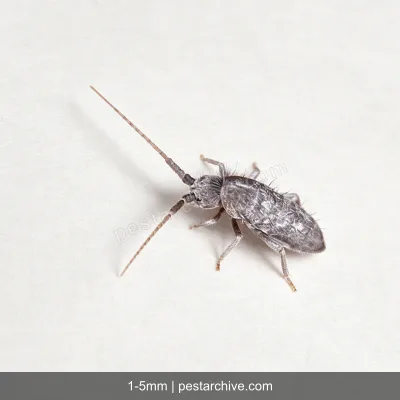
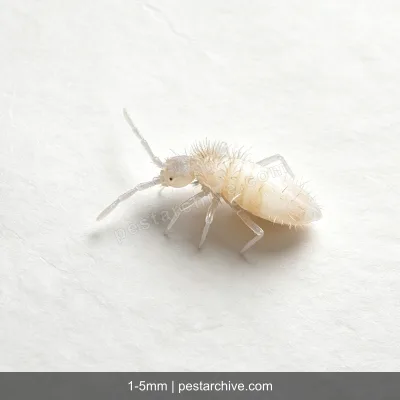
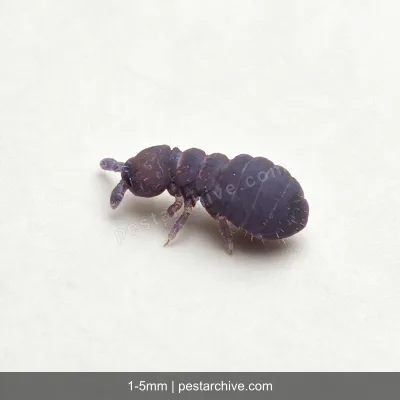
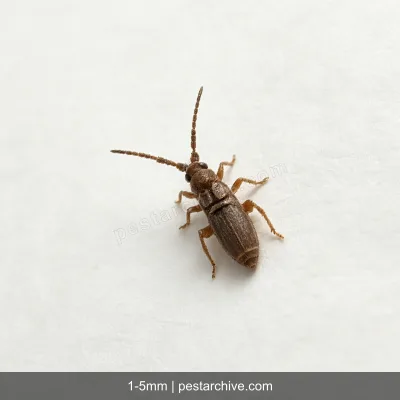
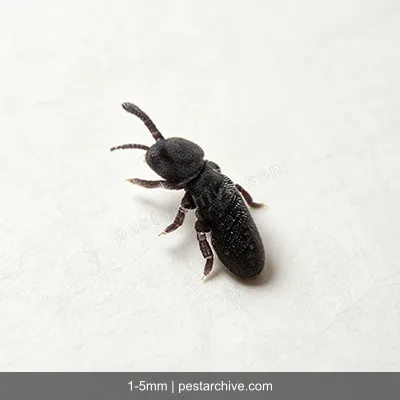
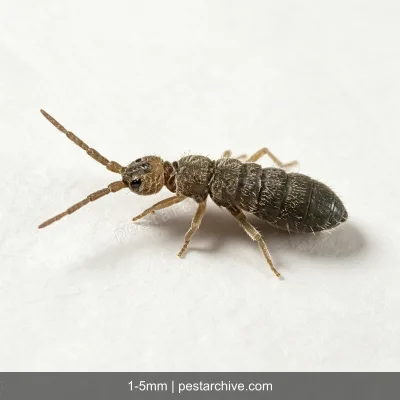
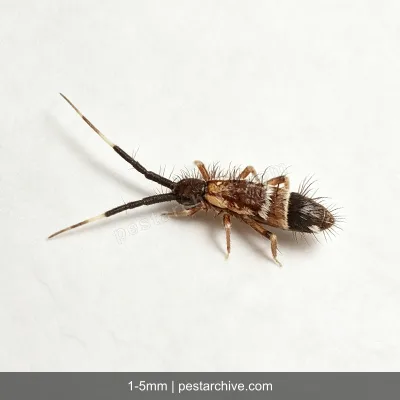
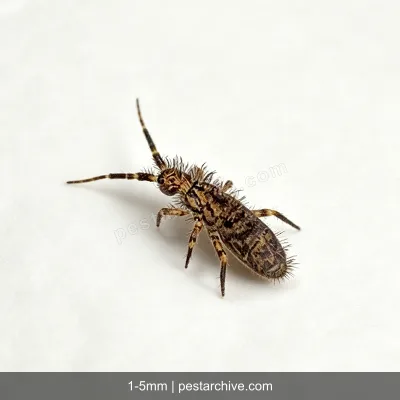
Springtails Control & Removal Guide
(Snow fleas, Spring bugs)Collembola
How They Get In
- Potted Soil Import: The most common entry route is with potted plants. Newly purchased or repotted plants may carry springtail eggs and adults in the soil. Springtails thrive in moist, organic-rich soil; pot drainage layers and tray water provide ideal breeding conditions.;
- Indoor Damp Breeding: Springtails feed on decaying plants and mold. They can naturally breed in bathroom floor drains, tile grout, long-damp balcony corners, and under kitchen sinks — anywhere with standing water and high humidity. Large populations are a clear moisture-problem indicator.;
- Building Gap Entry: At 1-5mm, springtails can enter through door/window gaps, exterior wall cracks, AC duct openings, and floor expansion joints from outdoors. They are most active after rain and watering, migrating from soil into indoor areas.;
- Outdoor Items: Damp soil, decaying plants, leaf litter, and gardening materials brought indoors can carry springtails. Stacked damp flower pots, planting boxes, and stored potting soil on balconies are also common springtail sources.
How to Get Rid of Them
- Source Control — Fix Moisture Problems: Springtail presence is a definitive moisture indicator. Spraying alone cannot fix the problem. First, identify and address moisture sources: check bathrooms, kitchens, and balconies for leaks — pipe joints, wall corner seams, and around floor drains for water seepage. Keep bathrooms and kitchens ventilated and dry; run exhaust fans for 30+ minutes after showering. Remove containers and clutter that trap standing water on balconies and indoors; clear clogged drains and floor drains. Maintaining indoor RH below 50% will cause springtail numbers to rapidly decline.;
- Potted Plant Management: Flower pots are the primary indoor springtail habitat. Reduce watering frequency — let the soil surface dry completely between waterings (dry surfaces are unsuitable for springtails). For heavily infested pots, replace the top 2-3cm of soil. Empty tray water promptly. Apply a 1cm layer of fine sand or clay pebbles on the soil surface to create a dry barrier that blocks springtail activity.;
- Pre-Treatment Preparation: Remove indoor standing water, damp corner clutter, and decaying organic matter. Clean fallen leaves and dead branches around plants. Vacuum bathroom corners, balcony crevices, and baseboard dust and mold patches. Close doors and windows. Remove pets, children, food, and dishes. Shake the spray bottle well.;
- Key Treatment Zones: Potted plant soil surfaces and trays — the highest springtail concentration; spray trays and pot-bottom joints. Bathroom floor drains, tile grout — high-humidity springtail habitat. Balcony floors, wall corners, and around sinks — indoor activity zones. Baseboards and floor cracks — indoor dispersal routes. Under kitchen sinks — dark, damp springtail hiding spots.;
- Application Method: Hold sprayer 20-30cm from surfaces and spray evenly. Lightly spray pot soil surfaces until moist (avoid over-application that damages roots). Spray bathroom floors and along corner crevices. Cover balcony floors and wall edges evenly. Spray along baseboards continuously. Avoid direct spraying on plant leaves and buds.;
- Post-Treatment and Long-Term Management: Keep the area closed for 1 hour, ventilate for 30+ minutes before re-entry. Continue maintaining indoor ventilation and dryness. Springtail problems typically resolve naturally within 1-2 weeks after fixing moisture sources and adjusting watering habits. During rainy seasons, regularly inspect flower pots and floor drain areas to prevent recurrence.
Prevention & Follow-Up
Keep your home well-ventilated and dry—aim for humidity below 50%. Wipe up standing water in bathrooms, kitchens, and on balconies right away. Flush floor drains with hot water regularly to keep them clear. Water houseplants less often: let the soil surface dry out between waterings, dump saucer water promptly, and spread a thin layer of fine sand on top of the soil to block springtails.