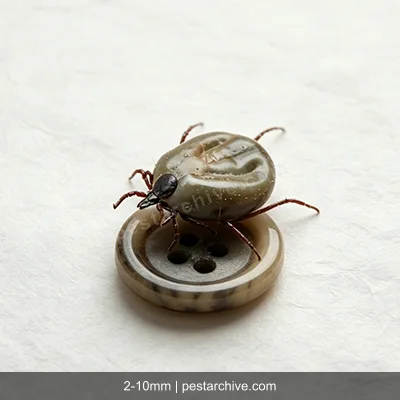
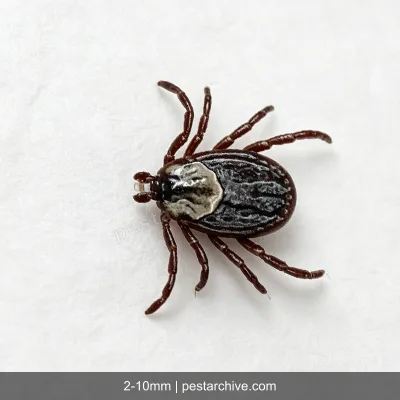
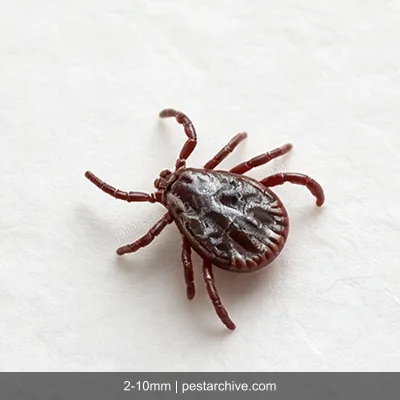
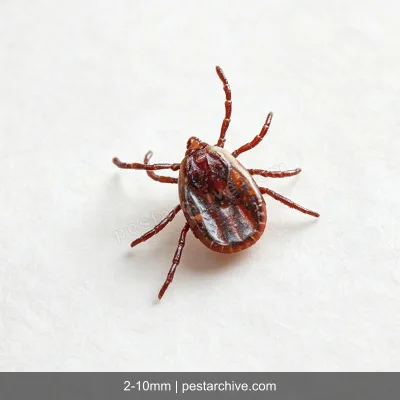
Ticks Control & Removal Guide
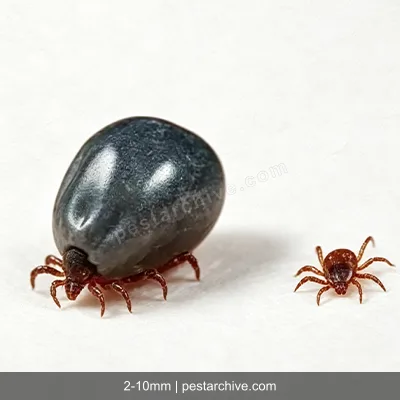
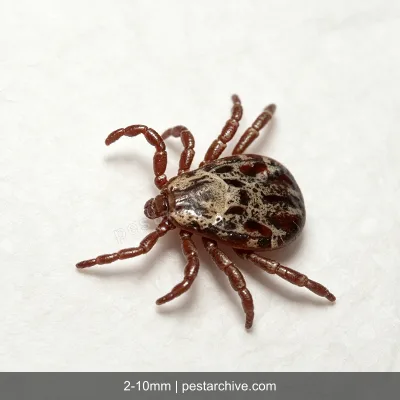
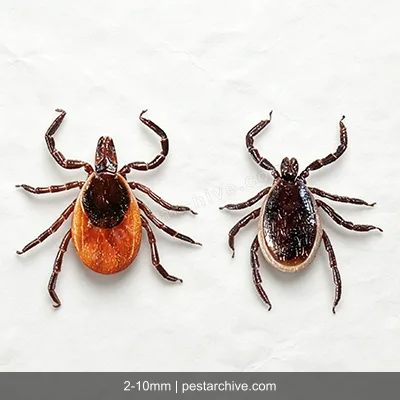
(Deer tick, Lone star tick, Dog tick, Seed tick)*Ixodes scapularis* / *Amblyomma americanum* / *Dermacentor variabilis*
How They Get In
- Pet Carriage: Ticks quest on grass, shrubs, wooded areas, and field edges. When pets walk, run, or brush through vegetation, ticks latch onto fur and skin and are carried indoors. Their questing behavior — perching on grass tips waiting for passing hosts — makes pets highly susceptible.;
- Human Outdoor Activity: Ticks attach to pant cuffs, socks, and shoes while hiking, camping, gardening, or walking in parks. They may later drop off indoors and crawl in search of a new host.;
- Outdoor Gear: Picnic blankets, tents, sleeping bags, backpacks, wildflowers, firewood, and clothes dried outdoors can all carry ticks inside. These passive transport routes are often overlooked.;
- Perimeter Encroachment: Homes near grasslands, woods, farmland, or parks face higher tick pressure. Ticks can crawl in through door/window gaps and balcony thresholds. Wild animals (hedgehogs, rabbits, stray cats and dogs) near the house can introduce ticks to yards and balconies.
How to Get Rid of Them
- Pre-Treatment Pet Check: Ticks primarily enter via pets and outdoor activities. Before spraying, thoroughly check pets by running your hands over their skin to feel for raised bumps, focusing on the head, behind the ears, neck, armpits, and groin. If you find an attached tick, use fine-tipped tweezers to grasp it close to the skin and pull straight up with steady pressure. Disinfect the bite site. Wash outdoor clothing in water above 60°C or sun-dry. Remove pets, children, food, and dishes from the treatment area. Shake the spray bottle well.;
- Key Treatment Zones: Door and window frame gaps and thresholds — primary entry routes for ticks from outdoors. Balcony floors and wall edges — especially for ground-floor units where ticks can crawl in. Pet bed and 1-meter radius — where ticks drop off and crawl. Entryway and front door area — ticks may fall off outdoor clothes here. Carpets and entry mats — hiding spots after ticks drop off. Baseboard-wall junctions and floor cracks — indoor crawling paths. Hallway entrances and common corridors — dispersal routes in multi-unit buildings.;
- Application Method: Hold sprayer 20-30cm from surfaces. Spray door/window frames and threshold gaps thoroughly, ensuring penetration. Cover balcony perimeters along wall bases. Spray pet bed area and entryway evenly. Treat carpet surfaces and edges to ensure penetration into fibers. Spray the lower 30cm of walls along baseboards continuously. Apply a light barrier at hallway entrances and exterior door areas.;
- Post-Treatment: Keep the area closed for 2-3 hours, then ventilate for 1+ hour before re-entry. Do NOT use environmental spray directly on pets — use vet-approved topical or oral preventatives. Avoid wet-mopping or wiping treated surfaces for 24 hours.;
- Outdoor and Personal Protection: During tick season (spring-summer), wear long sleeves and pants tucked into socks when outdoors in grassy or wooded areas. Wear light-colored clothing to spot ticks easily. Check your entire body thoroughly after returning — focus on behind knees, waistline, armpits, behind ears, and groin. Keep outdoor clothes separate and wash promptly. For ground-floor homes and properties with yards, regularly mow lawns, trim shrubs, and clear leaf litter to reduce tick habitat near the house.
Prevention & Follow-Up
Keep pets on monthly tick prevention. After outdoor activities, thoroughly check pets and family members for ticks. Clear weeds, leaf litter, and trim lawns around your yard to reduce tick habitat. Seal door gaps, window cracks, and outdoor access points. Place outdoor clothes separately and wash in hot water.