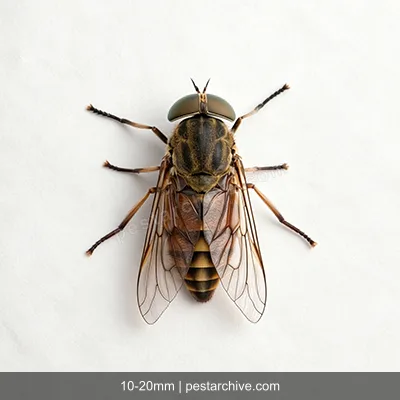
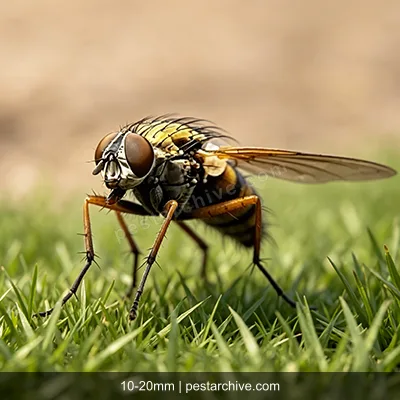
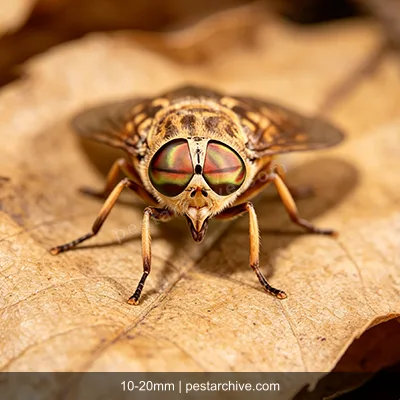
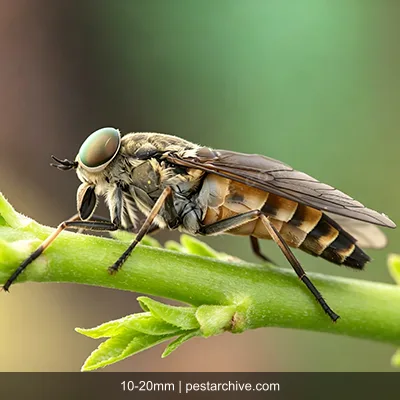
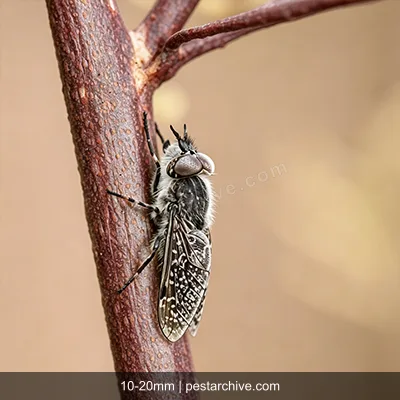
Horse Flies Control & Removal Guide
(Deer fly, Greenhead fly, March fly, Gadfly)*Tabanus bovinus* / Tabanidae
How They Get In
- Direct Flight Entry: At 10-20mm with strong, fast flight, horse flies fly directly through open doors, windows, sliding balcony doors, and French windows. They are strongly attracted to light and dark colors, readily flying toward lit indoor areas and dark objects. During summer ventilation, horse flies can fly straight in.;
- Outdoor Activity Carriage: Horse flies can cling to clothing outdoors (especially dark-colored clothing, which attracts them more) and be carried inside. Their painful bite causes panic when outdoors; horse flies may follow and enter during the brief moment a door opens.;
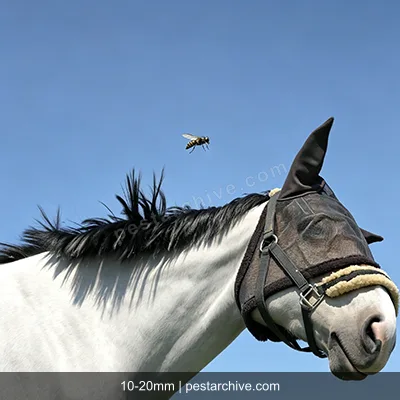
- Perimeter Dispersal: Horse fly larvae develop in water bodies (ponds, ditches, rice paddies, wetlands). Adults are strong fliers (several kilometers from breeding sites). Homes near water, pastures, farmland, and livestock facilities face summer horse fly pressure.;
- Odor Attraction: Horse flies are sensitive to sweat, body odor, and food smells. Stored meat, fish odors, trash can smells, and exhaled CO₂ can attract horse flies to hover near doors and windows, seeking entry.
How to Get Rid of Them
- Physical Protection First: Given their large size and fast flight, horse fly control centers on physical protection supplemented by chemical spraying. During horse fly season (June-September), keep doors and windows closed when possible. When ventilation is needed, install and maintain intact screens — check for gaps between screen and frame that horse flies can squeeze through. Their attraction to light means drawing light-colored sheer curtains during daytime helps reduce attraction. Use fans near open doors — horse flies struggle in strong airflow.;
- Pre-Treatment Preparation: Close all indoor doors and windows (to prevent escape or new entry). Remove pets, children, food, and dishes. Clean up kitchen trash and seal stored meat to reduce attractive odors. Shake the spray bottle well.;
- Key Treatment Zones: Door/window frames, windowsills, and balcony entrances — primary entry routes. Screen surfaces and frame gaps — spray to form a protective residue layer. Balcony walls and window perimeters — where horse flies hover and land outside. Around kitchen trash cans and food storage areas — landing zones attracted by odor. Wall corners and ceiling corners — horse flies typically land on elevated wall and ceiling surfaces after entering.;
- Application Method: Hold sprayer 20-30cm from surfaces and spray evenly. Spray both sides of window screens. Treat door/window frames along edges. Cover balcony areas along walls and window perimeters. For horse flies already flying indoors, direct spray is effective — they are fast but large targets. Lightly spray ceiling corners where they may land. Flat surfaces need only a light pass.;
- Post-Treatment: Keep the area closed for 1 hour, then ventilate for 30+ minutes before re-entry. Avoid spraying on dishes, food, and pets. Horse flies are most active in daylight; spray in early morning before they become active for best barrier formation. The active season is limited (primarily summer); stop regular spraying after the season ends. For yards with ponds or water containers (larval breeding sites), apply larvicide or regularly drain standing water to reduce breeding at the source.
Prevention & Follow-Up
Install tight-fitting window screens and screen doors, and check them regularly — repair any tears right away. During horsefly season in summer, keep doors and windows closed during the daytime when horseflies are most active. Eliminate standing water in containers and clean up animal waste in your yard to get rid of horsefly larval breeding sites. If you live near water or pastureland, spray an insecticide barrier on door frames, window frames, and balcony edges and reapply it regularly.