Scabies Mites Control & Removal Guide
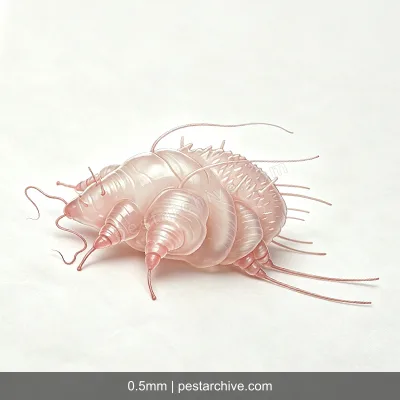
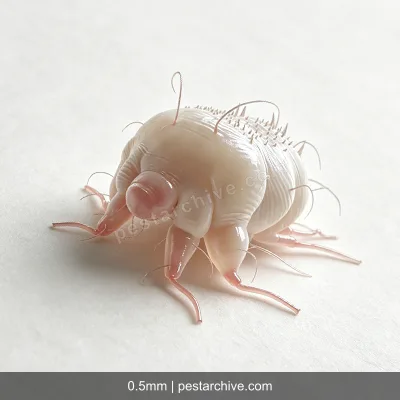
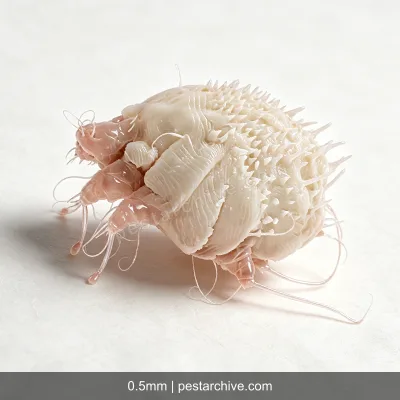
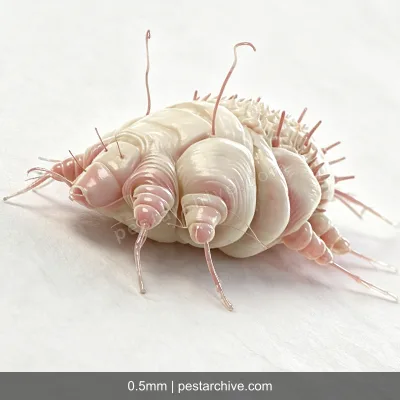
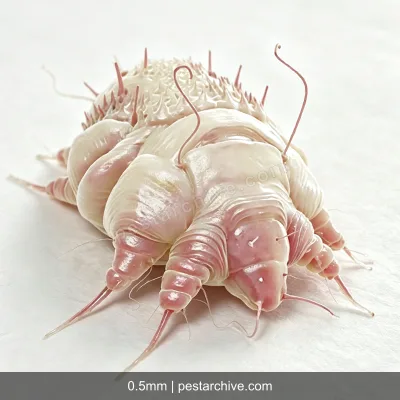
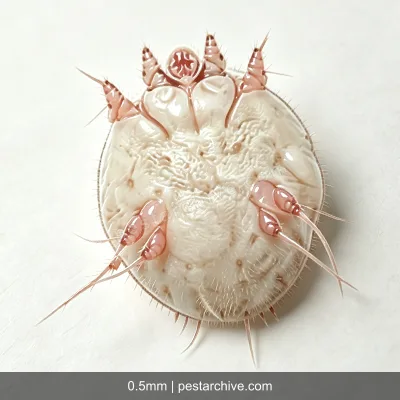
(Itch mite, Sarcoptic mite, Norwegian scabies mite)*Sarcoptes scabiei*
How They Get In
- Direct Skin Contact: Scabies mites are transmitted primarily through prolonged direct skin-to-skin contact with an infected person — this is the main route. Handshakes, hugs, sharing a bed, and sharing bedding allow mites to transfer from the infected person's skin and clothing to healthy skin. Household transmission is most common; one infected person can quickly infect the entire family without isolation and treatment.;
- Indirect Contact: Contact with contaminated clothing, bedding, towels, bed sheets, and other fabric items. Mites survive 2-3 days off the host at room temperature, and contaminated fabrics remain infectious during this period. Group living environments (dormitories, nursing homes, childcare, prisons) carry the highest risk.;
- Shared Furniture: Using mattresses, sofas, and chairs contaminated with mites — especially items in direct skin contact — allows mites to transfer from surfaces to skin.;
- Second-hand Items: Purchasing or exchanging used clothing, bedding, and linens from infested sources can bring mites and eggs into a new home. Trying on clothes in public fitting rooms or using shared changing rooms also poses a risk.
How to Get Rid of Them
- Medical Treatment First: Scabies treatment requires concurrent medical and environmental action. The infected person should seek medical care for prescription scabicides (such as permethrin cream, sulfur ointment, or oral ivermectin). Apply as directed, covering the entire body from neck to toes, with special attention to finger webs, wrists, elbow creases, armpits, and groin. All close contacts (household members) should be treated simultaneously even if asymptomatic, to prevent cross-infection.;
- High-Temperature Fabric Treatment: Mites survive 2-3 days off the host. All potentially contaminated fabric items must be thoroughly processed. Wash all clothing, bedding, sheets, pillowcases, and towels used by the infected person in water above 60°C for 30+ minutes, or use a hot dryer (above 60°C for 30+ minutes). Items that cannot be hot-washed (stuffed toys, shoes, backpacks) should be sealed in plastic bags for 7-10 days — mites die naturally without a host. Store processed fabrics in clean sealed bags until treatment is complete.;
- Environmental Spraying: After completing fabric treatment, spray the living environment to kill any remaining mites. Key zones: mattress and bed frame — the highest mite density zone from prolonged infected-person use, spray mattress seams and bed frame joints thoroughly to ensure penetration; sofa and upholstered seating — surfaces and crevices where the infected person sat or lay; wardrobe and clothing storage — interior spaces and surfaces that may have held contaminated items; baseboards and floor cracks — areas where mites may have fallen and crawled; doorknobs and switch plates — frequently touched surfaces can be lightly sprayed.;
- Application Method: Hold sprayer 20-30cm from surfaces and spray evenly. Focus on mattress edge seams, bed frame joints, and sofa crevices to ensure penetration into gap depths. Flat surfaces (bed frame surfaces, wardrobe interiors) need only a light even pass. Spray along baseboards and floor cracks in continuous lines. Avoid spraying near food storage and dish areas.;
- Post-Treatment Management: Keep the area closed for 2-3 hours after spraying, then ventilate for 1+ hour before re-entry. The infected person should use a separate set of bedding and towels during treatment; change and seal-soil daily clothing separately. Re-check at 7 and 14 days after treatment completion to confirm total mite clearance. Repeat environmental spraying once at 7-14 days to kill any newly hatched mites. If household pets show hair loss or itching, have them examined by a veterinarian — animal scabies mites differ from human scabies mites but cross-infection is possible.
Prevention & Follow-Up
The infested person and everyone in the same household must receive treatment at the same time to prevent passing scabies back and forth. Wash all clothing, bedding, and towels in hot water above 60°C (140°F), or dry them on high heat. For items that cannot take high heat, seal them in airtight plastic bags for 7 to 10 days — the mites will die without a host. During treatment, the infested person should use their own towels and bedding, change them daily, and seal used items in bags immediately. Follow up with a second check 7 to 14 days later to make sure the scabies is completely gone.