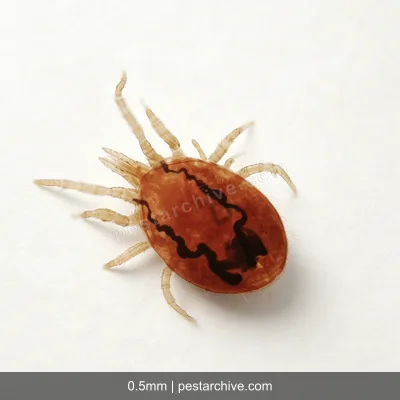
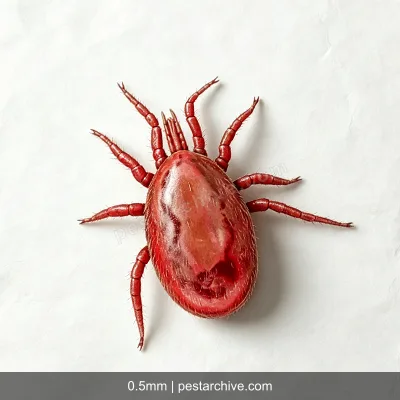
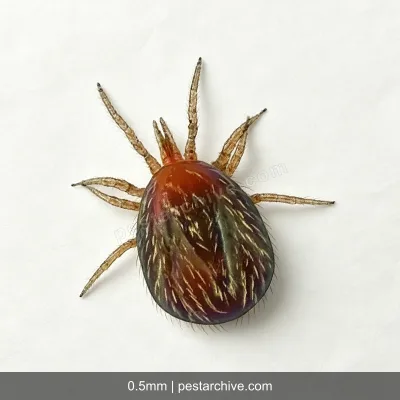
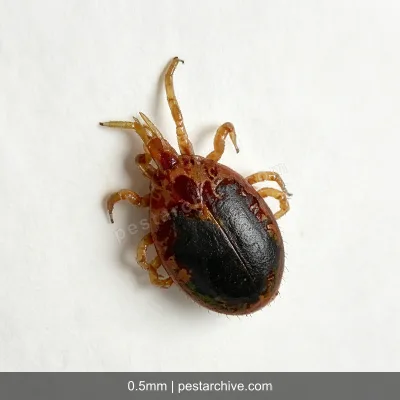
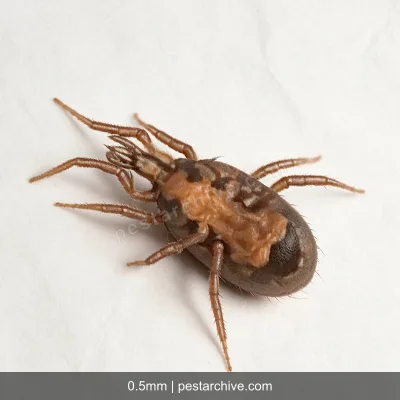
Rat Mites Control & Removal Guide
(Tropical rat mite, Bird mite, Chicken mite)*Ornithonyssus bacoti* / *Dermanyssus gallinae*
How They Get In
- Pet and Bird Carriage: Chicken mites parasitize poultry and pet birds; tropical rat mites parasitize rats. These mites are brought in by pets (cats, dogs) and kept birds, hamsters, and other small animals. Warm, humid pet beds with accumulated dander and food debris provide ideal habitat; mites disperse from pet beds throughout the home.;
- Grain and Stored Product Import: Some rat mite species feed on stored-product pests and enter homes with grain, dry goods, pet food, etc., from warehouses or stores. Bulk grains and aged dry goods are especially likely to carry mites and their eggs.;
- Rodent Dispersal: The primary host for rodent-source mites like the tropical rat mite is rats. When rats are active in the home, mites spread from them into the living environment. When rats die, mites lose their hosts and crawl out en masse seeking new ones — this is a major cause of sudden explosive mite appearances.;
- Second-hand Furniture: Used sofas, mattresses, carpets, and other fabric furniture from homes with pet or rodent problems may carry rat mites. At 0.2-0.5mm, they are virtually impossible to detect visually and easily overlooked.
How to Get Rid of Them
- Source Treatment — Rodent Control and Pet Management: Rat mite control begins with cutting off the source. If rats are present in the home, implement rodent control first — seal rat holes, set traps, or use rodenticide. After you get rid of the rats, mites lose their primary host source. Regularly check pet (cats, dogs, hamsters, pet birds) fur and skin. Wash pet bedding and surrounding areas weekly in water above 60°C or sun-dry. Poultry infected with chicken mites should be isolated and treated.;
- Pre-Treatment Preparation: Thoroughly clean pet bedding and replace with fresh material. Vacuum carpets, sofas, corners, and under-wardrobe areas to remove dust and debris. Clean grain storage areas and kitchen clutter — seal bulk grains and dry goods. Close doors and windows. Remove pets, children, food, and dishes. Shake the spray bottle well.;
- Key Treatment Zones: Pet bed and 1-2 meter radius — the highest mite concentration zone; spray thoroughly covering all pet item crevices and folds. Mattress and sofa — human dander-rich, warm-temperature mite habitat; focus on cushion seams and backrest folds. Carpets — full coverage including edges; mites hide and breed deep in fibers; ensure penetration. Baseboards and floor cracks — primary mite crawling and dispersal routes; spray along the entire line without gaps. Grain storage and pantry cabinet interiors — mites from grain may aggregate here; spray interior and seams, let dry before replacing food. Wardrobe and clothing storage — areas where contaminated clothing may have been stored.;
- Application Method: Hold sprayer 20-30cm from surfaces and spray evenly. Spray pet beds thoroughly until lightly moist, focusing on item crevices and folds. For carpets, use a cross-hatch spray pattern to ensure even coverage. Spray along baseboards in continuous lines. Directly spray under and behind furniture. For grain storage interiors, ventilate thoroughly after spraying before sealing and storing food. Use the spray nozzle to reach into gap areas (corners, wardrobe joints).;
- Post-Treatment and Regular Maintenance: Keep the area closed for 2-3 hours after spraying, ventilate for 1+ hour before re-entry. Avoid spraying on dishes, food, and pet bodies. After rodent control, promptly remove and disinfect dead rodents. Rat mites reproduce quickly — weekly inspection of pet beds and carpet areas after source treatment is recommended; re-spray if abnormalities are found. Regular pet parasite prevention and maintaining home ventilation and dryness provide long-term prevention of rat mite breeding.
Prevention & Follow-Up
Eliminate rats completely and clean up dead rodents and their nesting debris right away — gamasid mites will spread from abandoned rat nests looking for a new host. Seal all cracks and gaps in walls and floors to block the routes mites use to move between rooms. Keep your home well-ventilated and dry to make conditions less favorable for mite reproduction. Check your pets' and pet birds' fur or feathers regularly and keep them on a vet-recommended parasite prevention plan; wash pet bedding weekly and dry it in the sun. Store dry goods and grains in airtight containers to prevent mites from hitching a ride into your home through food packages.