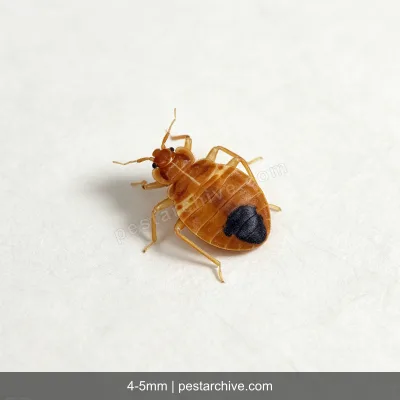
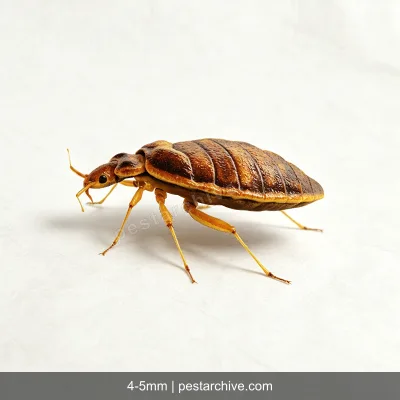
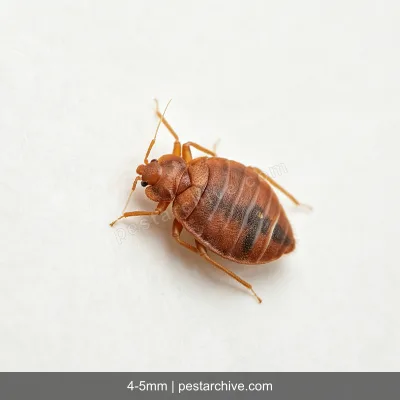
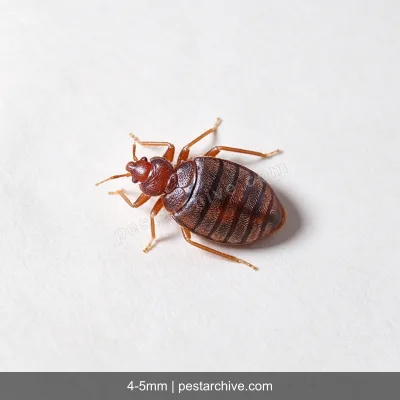
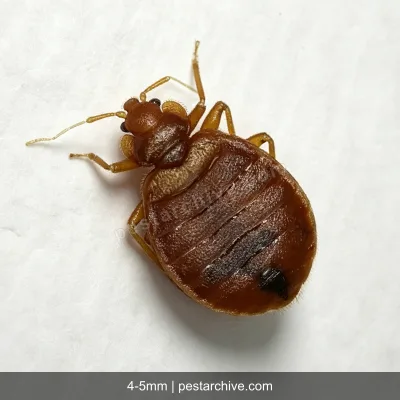
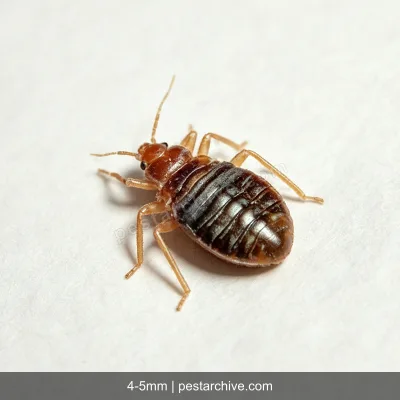
Bed Bugs Control & Removal Guide
(Common bed bug, Tropical bed bug, Mahogany flat)*Cimex lectularius* / *Cimex hemipterus*
How They Get In
- Travel and Hotels: Bed bugs are notorious hitchhikers — they hide in luggage, clothing, and backpacks during travel. Hotel rooms, hostels, Airbnbs, and even train sleeper cars are common acquisition points. Always inspect mattress seams and headboards when traveling.;
- Second-hand Furniture: Used mattresses, sofas, bed frames, and nightstands may harbor bed bugs and their eggs in joints, seams, and hollow spaces. Even new furniture stored in infested warehouses or delivery trucks can carry bed bugs.;
- Neighbor-to-Neighbor Spread: In multi-unit buildings, bed bugs migrate through wall voids, electrical conduits, plumbing chases, and floor cracks. An untreated infestation in one unit will inevitably spread to adjacent units.;
- Human Movement: People who frequently move between residences — students returning from dorms, frequent business travelers, home service workers — can unknowingly transport bed bugs on clothing and personal items.
How to Get Rid of Them
- Pre-Treatment Preparation: Strip all bedding — sheets, pillowcases, duvet covers, mattress pads — and wash in water above 60°C for at least 30 minutes. High heat kills all life stages. Steam-clean mattress seams and bed frame joints. Pull the bed away from the wall and remove all clutter to expose hiding spots. Vacuum mattress seams, bed frame joints, and baseboards thoroughly. Seal and discard the vacuum bag immediately. Close windows and doors. Remove pets, children, food, and dishes.;
- Key Treatment Zones: Mattress seams, tufts, and labels — the highest-density hiding spots. Bed frame joints, slats, and headboard crevices. Baseboard-wall junctions along the entire perimeter of the bedroom. Behind loose wallpaper and inside electrical outlet covers. Curtain folds, closet corners, and upholstered furniture seams. Ensure the spray penetrates deeply into cracks — surface treatment is ineffective.;
- Application Method: Hold the sprayer 20-30cm from the surface and spray evenly into cracks and crevices until slightly moist. Use the nozzle to inject directly into mattress seams and bed frame joints. Apply a continuous bead along baseboards. Do not saturate — the goal is a thin, even residue film. Allow to air-dry completely.;
- Post-Treatment: Keep the room closed for 3+ hours for the product to take full effect. Ventilate for 1+ hour before re-entering. Encase the mattress and box spring in bed bug-proof encasements — this traps any survivors inside and prevents new bugs from entering. Do not wet-clean treated surfaces for 24 hours to preserve the residual film.;
- Follow-up Schedule: Bed bug eggs are highly resistant to the spray. Eggs hatch in 5-10 days, and emerging nymphs immediately seek a blood meal. Repeat treatment 2-3 times at 7-14 day intervals to kill each new generation as it emerges. During the treatment period, keep the bed frame isolated from walls, use climb-up interceptors on bed legs to monitor activity, and continue weekly inspections.
Prevention & Follow-Up
Wash all bedding in hot water above 60°C (140°F) and sun-dry or use a high-heat dryer. Seal cracks in bed frames, baseboards, and walls with caulk to get rid of hiding spots. Encase mattresses in bed-bug-proof covers to trap any remaining bugs. Re-inspect and repeat treatment every 7-14 days for 2-3 rounds until they're gone. After traveling, inspect luggage and treat clothes with high heat before bringing items inside.