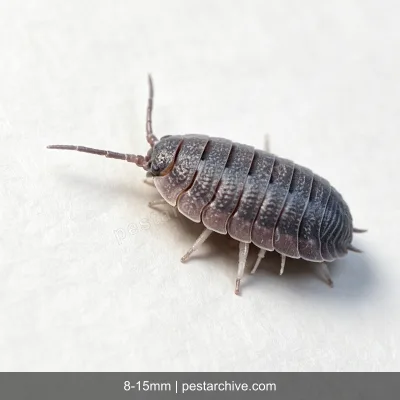
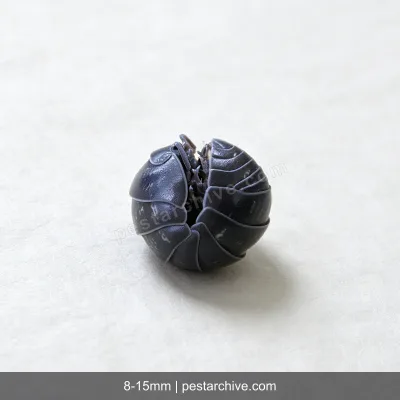
Pillbugs Control & Removal Guide
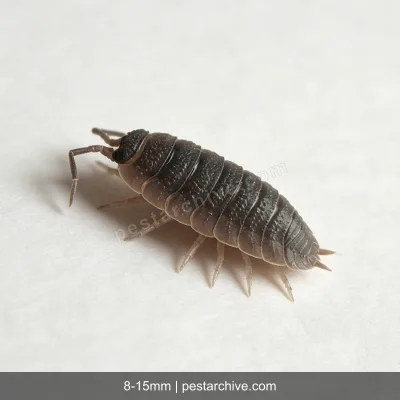
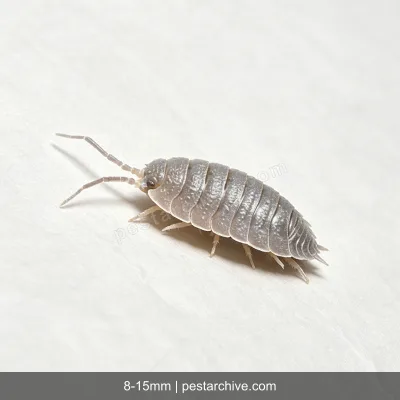
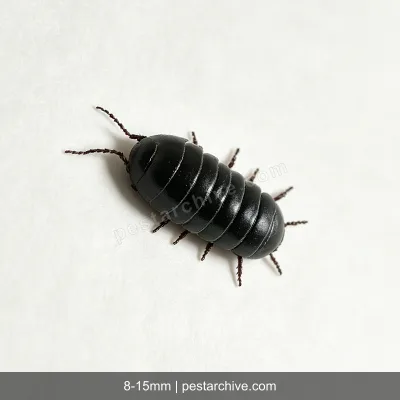
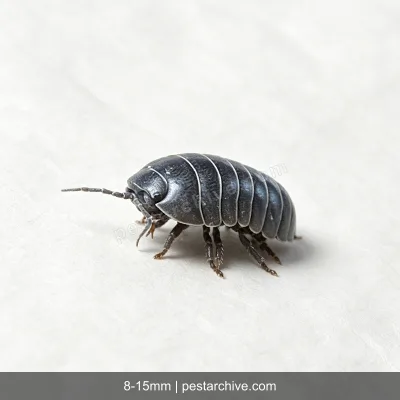
(Rollie pollies, Roly-polies, Woodlice, Sowbugs)*Armadillidium vulgare*
How They Get In
- Potted Plant Import: Pillbugs most commonly enter with potted plants — they hide in drainage holes, soil surfaces, and under trays in damp conditions. Newly purchased indoor plants or outdoor plants moved inside may carry adult and nymphal pillbugs in the soil. The gill-like breathing structures require constant moisture, making damp pot soil ideal pillbug habitat.;
- Building Gap Entry: Pillbugs are slow-moving but have flat bodies, enabling entry through door/window gaps, exterior wall cracks, pipe entries, and floor expansion joints from outdoors. Ground-floor and garden-level units face the greatest risk of pillbug entry from outdoor landscaping and damp soil.;
- Indoor Damp Breeding: Pillbugs feed on decaying plants. Under bathroom sinks, around floor drains, in tile grout, and in balcony leaf litter and clutter — wherever there is sustained moisture and decaying organic matter — pillbugs can naturally breed. Homes with poor bathroom ventilation and chronically damp floors have the most severe pillbug problems.;
- Outdoor Items: Damp soil, fertilizers, leaf compost, gardening tools, and outdoor footwear can all carry pillbugs indoors. Old stacked flower pots, planting boxes, and stored soil on balconies also harbor pillbugs that readily breed and disperse.
How to Get Rid of Them
- Source Control — Eliminate Damp Conditions: Pillbug presence is a definitive moisture indicator — solving the moisture problem is essential. Check bathrooms, balconies, and kitchens for leaks — pipe joints, wall corner gaps, and around floor drains for water seepage. Keep bathrooms ventilated and dry; run exhaust fans for 30+ minutes after showering; use a squeegee to remove floor standing water. Clear accumulated leaf litter, clutter, and old flower pots from balconies; keep the floor dry and unobstructed. Place desiccants or dehumidifying boxes in corners where pillbugs are frequently seen to help reduce humidity.;
- Flower Pot and Plant Management: Inspect all indoor potted plants. Lift pots off trays to ventilate the bottom. Reduce watering frequency — let the soil surface dry between waterings. For heavily infested pots, replace the top layer of soil. Apply a layer of fine sand or clay pebbles on the soil surface to create a dry barrier. Empty tray water promptly and wipe dry.;
- Pre-Treatment Preparation: Remove damp clutter and decaying organic matter from bathrooms, balconies, and corners. Clear fallen leaves, dead branches, and debris around plants. Vacuum bathroom corners, balcony crevices, and dust debris under furniture. Seal door/window gaps, exterior wall cracks, and pipe entries to reduce pillbug entry routes. Close doors and windows. Remove pets, children, food, and dishes. Shake the spray bottle well.;
- Key Treatment Zones: Bathroom corners, under sinks, and around floor drains — the most common pillbug damp zones. Balcony floors, wall edges, and sink crevices — activity zones after outdoor entry. Around flower pots and trays — the indoor pillbug concentration habitat. Baseboards and floor cracks — pillbug dispersal routes. Under and behind furniture — daytime dark, damp hiding spots. Door/window frame gaps — barrier to block outdoor entry.;
- Application Method: Hold sprayer 20-30cm from surfaces and spray evenly. Spray bathroom floors along corners and crevices until lightly moist (let dry before using; then rinse floor with water for safe use). Cover balcony floors and wall edges evenly along the perimeter. Spray pot tray undersides and outer pot walls. Spray baseboards in continuous lines without gaps. Directly spray under furniture.;
- Post-Treatment and Long-Term Prevention: Keep the area closed for 1-2 hours, ventilate for 30+ minutes before re-entry. Continue maintaining indoor dryness and ventilation — pillbugs naturally decline without moist conditions. Seal doors, windows, and wall gaps to physically block re-entry. Periodically inspect bathroom and balcony damp corners; address any issues promptly.
Prevention & Follow-Up
Keep your home well-ventilated and dry—run a dehumidifier or exhaust fan to bring humidity down. Clean up standing water and damp clutter in bathrooms and on balconies right away. Seal gaps around doors and windows, cracks in exterior walls, and openings around pipes to keep pill bugs from getting in. Water houseplants less often, dump saucer water promptly, and spread fine sand or clay pebbles on the soil surface. Check and clean dark, damp spots—under furniture and along baseboards—on a regular basis.