How to Repel Spiders Naturally?
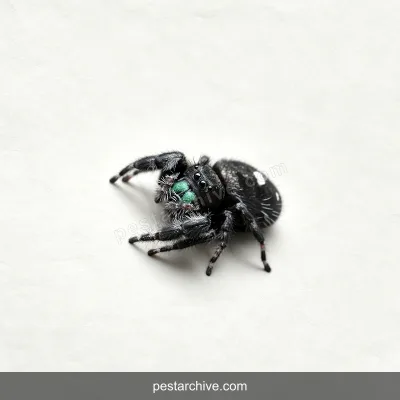
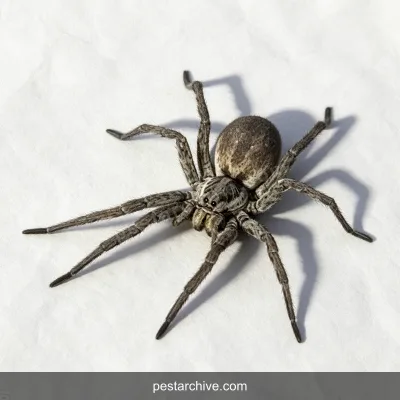
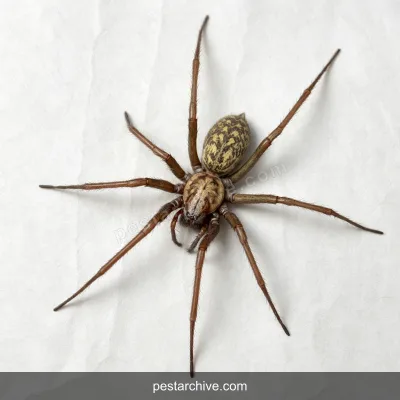
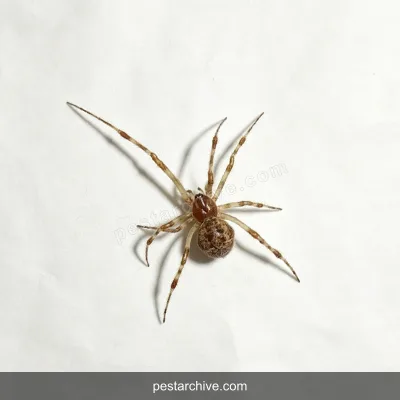
How to Identify a Venomous Spider
To be honest, accurately identifying spider species isn't easy for most people. But here's the good news: you're almost never going to encounter a truly dangerous spider in an urban home. A few basic rules are all you need.
Don't Overthink Identification
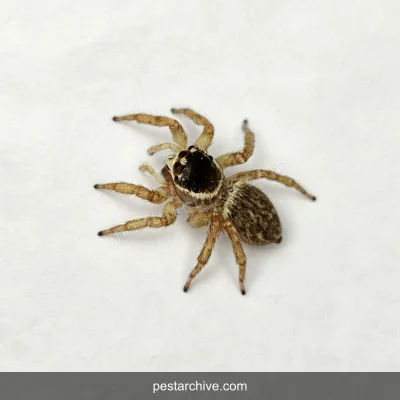
Of the 50,000+ spider species in the world, fewer than 10 are seriously dangerous to humans. The vast majority of so-called "venomous spiders" live in the wild, not in urban homes. You can treat nearly every spider you see indoors as harmless.
Features Worth Noting
You don't need to panic, but it's smart to avoid touching spiders that have these traits:
- Very large body (the size of an adult's palm)
- Bright red or orange markings on the abdomen
- Glossy, smooth black body
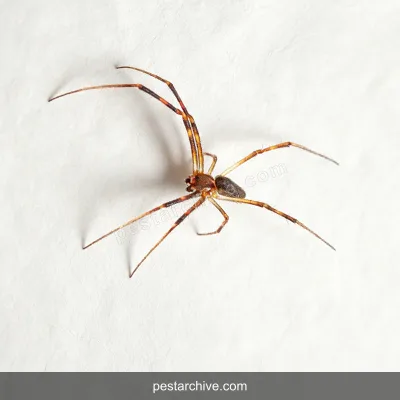
- Extremely long legs with an unusual stance
Recognizing Medically Significant Spiders
- Black widow (Latrodectus tredecimguttatus)—Female body about 1–1.5 cm, round black abdomen with a red hourglass or spot pattern on the underside. Found in wild grass and rock crevices.
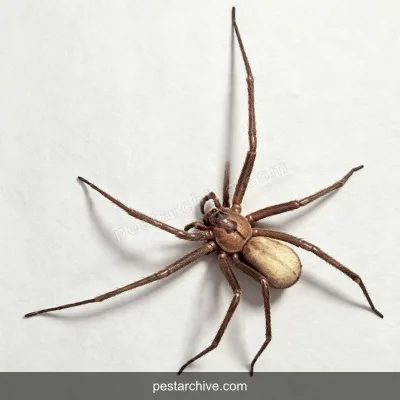
- Brown recluse (Loxosceles)—Body about 7–12 mm, yellowish-brown with a dark violin-shaped mark on the head region. Hides in woodpiles and old clothing, mainly in southern regions.
- Large tarantulas—Very large (body over 5 cm), hairy legs. Found in tropical and desert wilderness areas—never in city homes.
Safe Handling for Any Spider
If you're unsure about a spider—venomous or not—handle it the same safe way:
- Trap it under a glass or plastic container, slide a stiff card underneath, and carry it outside to release.
- Or sweep it out with a broom and dustpan.
- Or vacuum it up.
- Never swat it with your bare hand.
One Rule to Remember
No matter what kind of spider it is, if you don't touch it, it won't bite you. Keep your distance—that's the safest approach.