What to do if there are too many spiders in the house?
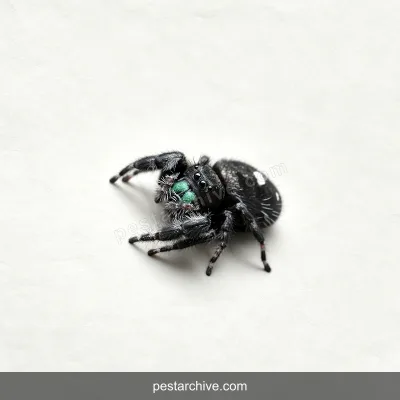
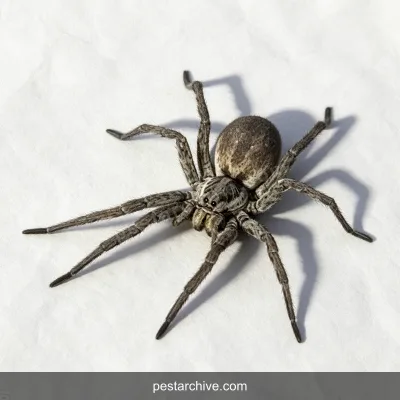
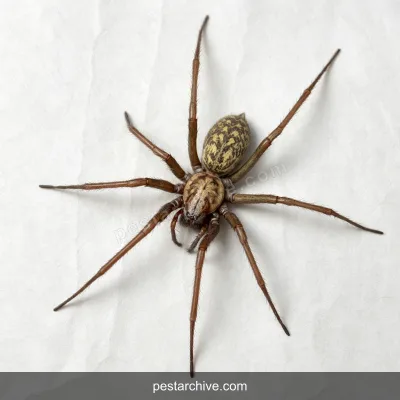
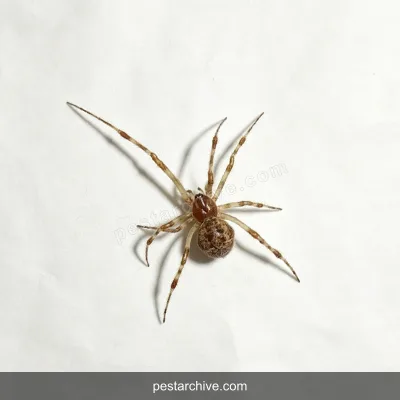
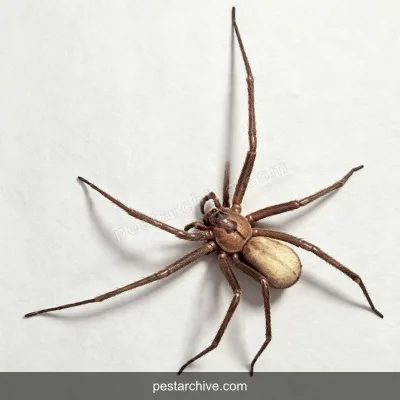
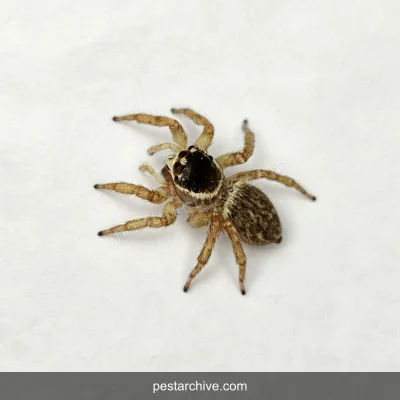
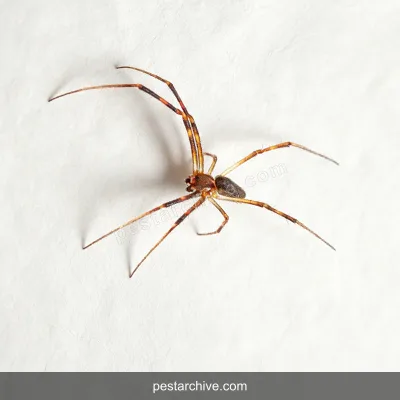
What to do if there are too many spiders in the house?
A large number of spiders indoors fundamentally indicates an abundance of small flying insects — spiders come to feed on them. Simply sweeping away webs is only a temporary fix; integrated management is needed.
Step 1: Thorough cleaning
- Remove webs — use a broom or vacuum to remove webs from ceiling corners, around light fixtures, window frames, and behind cabinets.
- Remove egg sacs — spider egg sacs are greyish-white, spherical (about 5-10 mm in diameter), attached to corners, behind cabinets, or near webs; each contains dozens to over a hundred eggs; scrape them off while cleaning webs.
- Vacuum spiders — use the crevice tool to vacuum spiders from corners, behind furniture, and above curtains.
- Wipe corners — use a damp cloth to wipe window sills and corners to remove pheromone trails that attract new spiders to build webs.
Step 2: Control the food source
Spiders come indoors because there is an abundant food supply. Reducing flying insects is the fundamental way to reduce spiders:
- Install yellow sticky traps to catch flying insects.
- Check potted plants for fungus gnats.
- Check kitchen waste bins for fruit flies.
- Check drains for midges.
Step 3: Seal entry routes
- Repair torn screens.
- Install weather stripping under doors.
- Seal wall cracks and pipe openings with expanding foam.
- Check for gaps around air conditioner pipes.
Step 4: Chemical control
After completing the above steps, spray deltamethrin-containing household insecticide along corners, baseboards, and window frames. Once dry, the insecticide forms a film; spiders that crawl over it die. Residual effect lasts about 2-4 weeks.
Important reminder
Spiders are only a symptom; the underlying problem is small flying insects. If the source of flying insects is not addressed, spiders will return after cleaning. It is recommended to focus on finding and eliminating the breeding sources of flying insects.