Roach Bombs vs. Baits: Which Is Better?
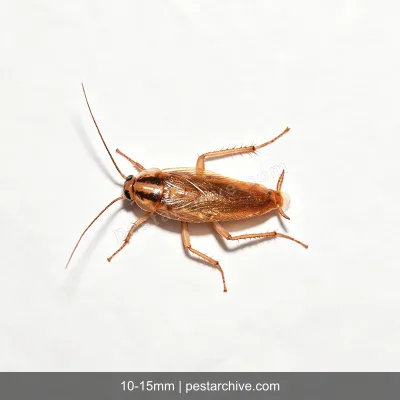
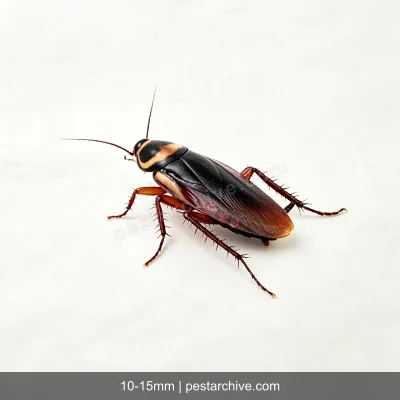
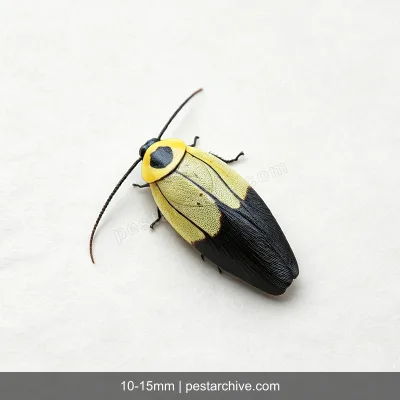
When cockroaches appear in your kitchen, the two most common consumer responses are: buy a roach bomb (total-release aerosol fogger) or set out bait stations. These approaches have fundamentally different effectiveness, safety profiles, and long-term outcomes. In most home situations, baits win decisively.
### Roach Bombs (Total-Release Foggers): How They Work and Why They Fail
Roach bombs are aerosol canisters that release their entire contents in a single burst, filling a room with insecticide fog. The active ingredient is typically a pyrethroid (permethrin, cypermethrin, or tetramethrin).
What they do:
- Kill cockroaches that are exposed to the fog at the moment of release.
- Provide temporary reduction of visible cockroach activity.
Why they fail for long-term control:
- Do not reach harborage. Cockroaches spend 80% of their time inside cracks, wall voids, under cabinets, and behind appliances — the fog cannot penetrate these spaces. Cockroaches in harborage survive the treatment and emerge within 24–48 hours.
- No residual effect. The fog dissipates within hours. There is no ongoing protection — new cockroaches entering after treatment are unaffected.
- Repel cockroaches. Pyrethroid fogs cause cockroaches to scatter deeper into harborage, making them harder to reach with subsequent treatments. Instead of eliminating the population, the fog pushes them further into walls and voids.
- Contamination risk. Fog settles on every surface in the room — countertops, food, dishes, utensils, children's toys, pet bedding. The EPA requires extensive preparation before use (cover/remove all food and food-contact surfaces, remove pets, vacate the premises) and thorough cleaning after use. Most homeowners do not follow these protocols completely.
- Fire hazard. Foggers are flammable aerosols. The EPA has documented cases of fires and explosions caused by foggers activated near pilot lights, gas appliances, or ignition sources.
Health risks:
- Respiratory irritation from aerosolized insecticide.
- Nausea, headaches, and dizziness in sensitive individuals.
- Acute exposure symptoms in people who re-enter the room too soon after activation.
### Gel Bait Stations: How They Work and Why They Succeed
Gel bait stations contain a food attractant mixed with a slow-acting insecticide (fipronil, indoxacarb, abamectin, or imidacloprid). Cockroaches feed on the bait, survive long enough to return to harborage, and share the bait with other cockroaches (including nymphs and the egg-producing females) through trophallaxis (food sharing) and contact.
What they do:
- Kill cockroaches in harborage — the bait reaches inside walls, under cabinets, and behind appliances where foggers cannot.
- Cascade effect — one feeding cockroach can poison 5–10 others through secondary exposure.
- Kill egg-producing females — baits reach the reproducing females that foggers never touch.
- Provide weeks of continuous protection — bait stations remain active for 2–4 weeks.
Why they succeed:
- Cockroaches voluntarily carry the toxin to their harborage — no need for the insecticide to penetrate walls.
- Slow-acting active allows cockroaches to share bait before dying — maximizing colony impact.
- No surface contamination — the insecticide stays inside the bait station and the cockroach body.
- No repellency — cockroaches are attracted to the bait, not repelled by it.
- Low human/pet exposure — bait stations are enclosed; the active is contained.
### The Verdict
| Factor | Roach Bombs | Gel Bait |
|--------|-------------|----------|
| Kills harborage cockroaches | No | Yes |
| Reaches egg-producing females | No | Yes |
| Residual protection | No (hours) | Yes (2–4 weeks) |
| Surface contamination | High | None |
| Preparation required | Extensive | Minimal |
| Fire risk | Yes | No |
| Health risk | Moderate | Low |
| Long-term population reduction | Minimal | Significant |
Winner: Gel bait — by every meaningful measure.
### How to Use Gel Bait Effectively
- Place 6–12 bait stations in the kitchen: under the sink, behind the stove, behind the refrigerator, inside cabinets, and along baseboards.
- Do NOT spray insecticide near bait stations — sprays repel cockroaches and prevent them from feeding on the bait.
- Replace bait stations every 2–4 weeks (or when bait is depleted).
- Continue baiting for at least 8–12 weeks for complete colony elimination.
- Simultaneously seal cracks and remove food/water sources — see our Exclusion Guide.
### When Professional Fogging Is Appropriate
Professional ULV (ultra-low-volume) fogging by licensed technicians is appropriate for severe, widespread infestations in commercial settings (restaurants, food processing facilities) where rapid knockdown is needed before baiting begins. This is NOT the same as consumer roach bombs — professional fogging uses calibrated equipment, targeted placement, and is followed immediately by bait station installation.