How to Seal Cracks to Keep Roaches Out
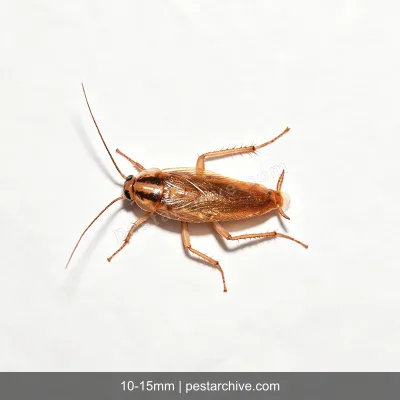
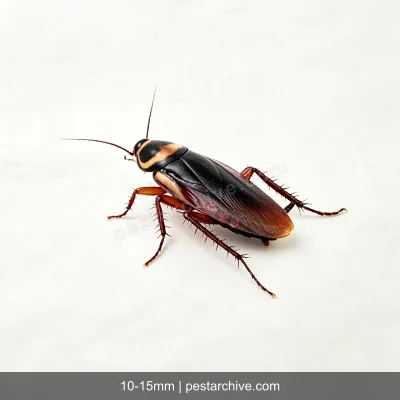
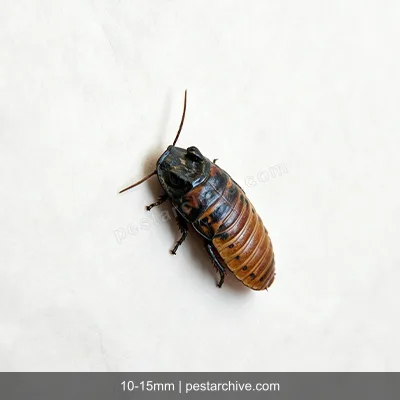
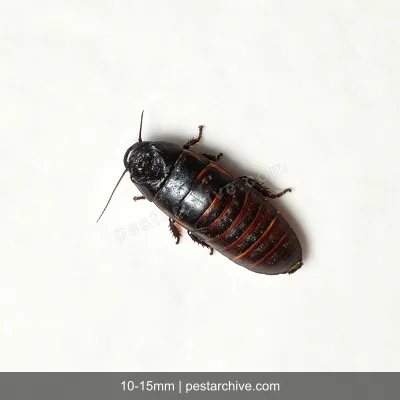
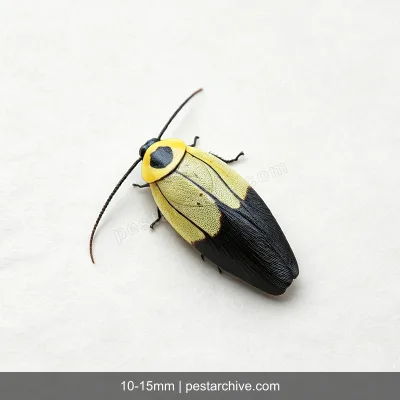
Cockroaches enter homes through cracks, gaps, and openings as small as 3 mm (1/8 inch) — about the width of a pencil line. Sealing these entry points is the permanent, non-chemical solution that makes all other control measures (baits, sprays, traps) more effective by preventing new cockroaches from replacing the ones you kill.
### Kitchen — The #1 Target Room
Cockroaches spend 80% of their time in the kitchen because food, water, and harborage are concentrated there:
- Behind and under cabinets — seal gaps between cabinets and walls, and between cabinets and the floor, with caulk.
- Around plumbing under the sink — where supply lines and drain pipes enter the wall, fill gaps with copper mesh + caulk.
- Behind stove and refrigerator — pull appliances away and seal any wall/floor gaps behind them. These gaps are major cockroach harborage and travel routes.
- Inside cabinets — check cabinet backs for gaps around plumbing and wiring penetrations; seal with caulk.
- Around dishwasher — seal gaps where the dishwasher connects to plumbing and the wall.
- Floor-wall junction — caulk the gap between the kitchen floor and baseboard — cockroaches travel along this seam constantly.
### Bathroom
- Around plumbing — seal gaps where supply lines, drain pipes, and toilet plumbing enter walls and floors.
- Behind medicine cabinets — check for gaps between the cabinet and the wall.
- Exhaust fan housing — seal gaps around bathroom exhaust fan housings where cockroaches enter from attic/wall voids.
- Tile cracks — re-grout cracked tile joints in showers and around tubs — cockroaches hide in these crevices.
### Throughout the Home
- Electrical outlets and switch boxes — cockroaches travel through wall voids and emerge through outlet gaps. Install outlet plate gaskets (foam seals that fit behind the plate) to close these openings.
- Pipe penetrations — any pipe passing through a wall or floor creates a gap. Seal each one with copper mesh + caulk.
- Window frames — caulk around all window frames; check basement windows especially.
- Door frames and thresholds — install weatherstripping and door sweeps on exterior doors. Ensure garage door seals are intact.
- Baseboard-floor junction — caulk the gap between baseboards and floors throughout the home.
- Vent covers — screen crawl-space vents and attic vents with fine mesh hardware cloth.
### Exterior Sealing
- Foundation cracks — fill with mortar or concrete repair compound.
- Soffit and fascia gaps — repair damaged panels; seal with caulk.
- Pipe and utility penetrations — seal exterior gaps with copper mesh + caulk.
- Weep holes — do NOT seal brick weep holes (they are needed for moisture drainage). Instead, insert copper mesh into weep holes to block cockroach entry while allowing air flow.
- Window screens — repair holes and ensure screens fit tightly in frames.
### Sealing Materials That Work vs. Don't Work
| Material | Rating | Notes |
|----------|--------|-------|
| Silicone caulk + copper mesh | ★★★★★ | Best — cockroaches cannot gnaw through copper |
| Polyurethane caulk | ★★★★★ | Durable, flexible, adheres well to most surfaces |
| Hardware cloth (1/8 inch) | ★★★★★ | For vents, soffits, larger openings |
| Expanding foam + copper mesh | ★★★★ | Foam fills void; mesh prevents gnawing. Foam alone fails. |
| Steel wool + caulk | ★★★★ | Effective but rusts; replace in damp areas annually |
| Expanding foam alone | ★ | Cockroaches gnaw through it — never use as sole barrier |
| Duct tape | ★ | Temporary only — deteriorates in weeks |
### After Sealing: Continue Baiting
Sealing prevents new cockroaches from entering. Baiting kills the ones already inside. Use gel bait stations in the kitchen and bathroom simultaneously with exclusion for fastest results.