What Are the Symptoms of a Cockroach Allergy?
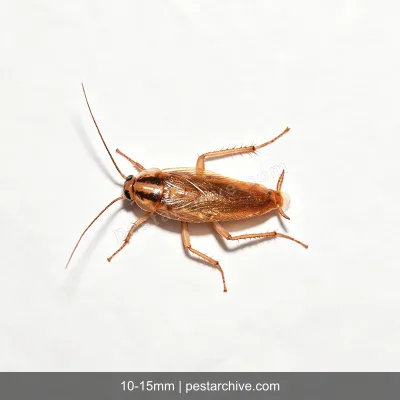
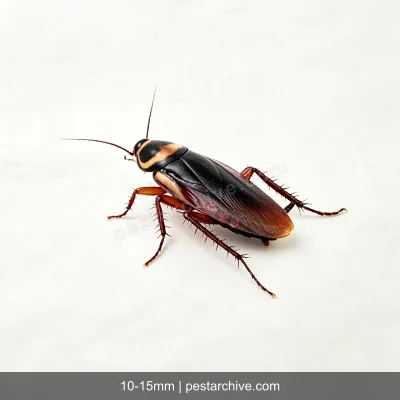
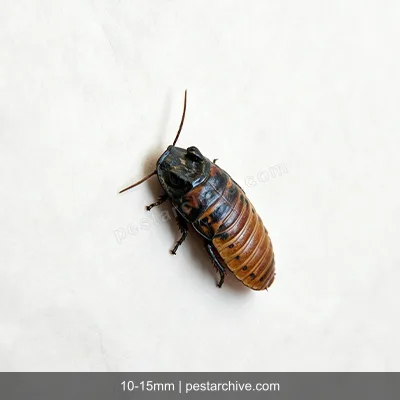
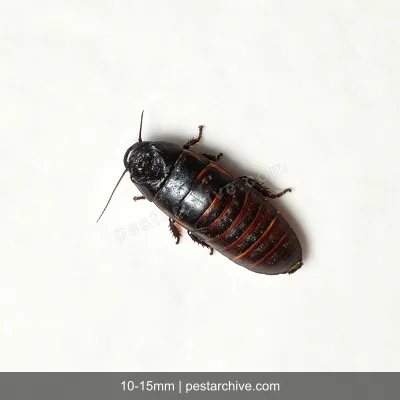
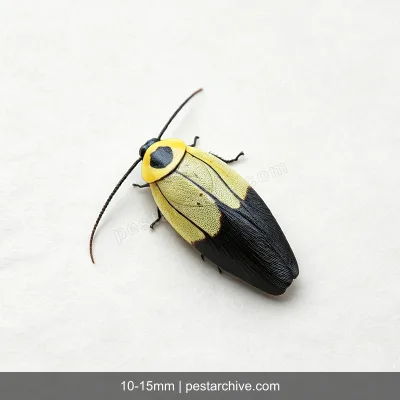
Cockroaches are not just unsightly — they are one of the most potent indoor allergen sources, second only to Dust Mites in triggering asthma and allergic reactions. Cockroach allergens come from their feces, shed skins (exuviae), saliva, and body fragments, which accumulate in dust throughout the home.
The National Cooperative Inner-City Asthma Study found that cockroach allergen sensitivity is the single strongest predictor of severe asthma in urban children — stronger than Dust Mite, pet dander, or mold sensitivity. Understanding the symptoms and reducing exposure can dramatically improve respiratory health.
### Respiratory Symptoms
- Persistent cough — especially at night and first thing in the morning, not explained by colds or seasonal allergies.
- Wheezing — a whistling sound when breathing, particularly during exertion or at night.
- Recurring asthma attacks — cockroach allergen is a confirmed asthma trigger. In cockroach-infested homes, asthma exacerbation rates are 3–4 times higher than in allergen-free homes.
- Chronic nasal congestion — stuffy nose, postnasal drip, and sinus pressure that does not respond to typical allergy medications.
- Frequent sneezing — upon entering certain rooms (kitchen, basement, behind appliances) where cockroach allergen concentrations are highest.
### Skin Symptoms
- Atopic dermatitis (eczema) — persistent itchy, red patches on hands, wrists, and inner elbows that worsen in cockroach-infested environments.
- Contact urticaria — hives and raised, itchy welts after handling items in cockroach-infested areas (pantry, behind appliances).
- Skin prick test positivity — a dermatologist or allergist can confirm cockroach sensitivity with a skin prick test using cockroach extract.
### Who Is Most at Risk
- Urban children — inner-city homes have the highest cockroach allergen concentrations and the strongest association with severe asthma.
- People with existing asthma — cockroach allergen exacerbates existing disease.
- People with Dust Mite allergy — cross-reactivity between cockroach and Dust Mite allergens increases sensitivity.
- Low-income households — older housing with more cracks and less maintenance provides more cockroach harborage and higher allergen loads.
### How to Reduce Cockroach Allergen Exposure
Eliminate cockroaches (most important):
- Use gel bait stations placed in kitchens, behind appliances, and under sinks — see our Roach Bombs vs. Baits guide for details.
- Seal cracks and gaps that provide harborage — see our Sealing Cracks to Keep Roaches Out guide.
- Remove all food and water sources that sustain cockroach populations.
Reduce allergen in dust:
- Vacuum floors and furniture weekly using a vacuum with a HEPA filter — standard vacuums recirculate allergen particles.
- Wet-mop floors instead of dry-sweeping — sweeping aerosolizes allergen dust.
- Wash bedding weekly in hot water (≥130°F / 54°C).
- Remove carpeting in cockroach-affected rooms if possible — hard floors are easier to allergen-clean.
- Use an air purifier with a HEPA filter in affected rooms.
Allergy management:
- Antihistamines for nasal and skin symptoms (cetirizine, loratadine).
- Prescription inhaled corticosteroids for cockroach-triggered asthma (fluticasone, budesonide).
- Allergen immunotherapy (desensitization shots) for severe cockroach allergy — available and effective.
- Consult an allergist for skin prick testing and personalized treatment plan.