What pathogens do cockroaches carry?
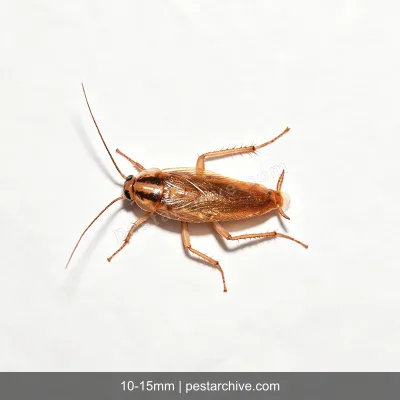
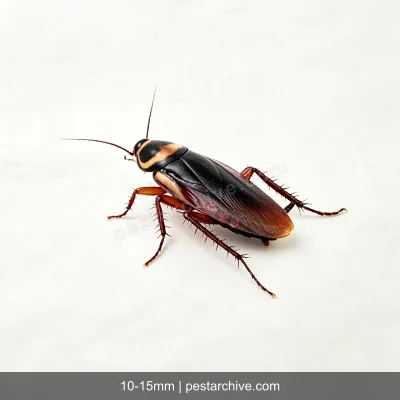
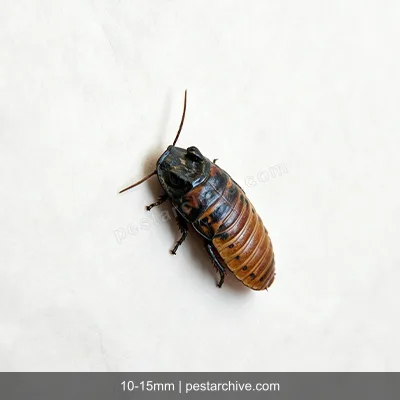
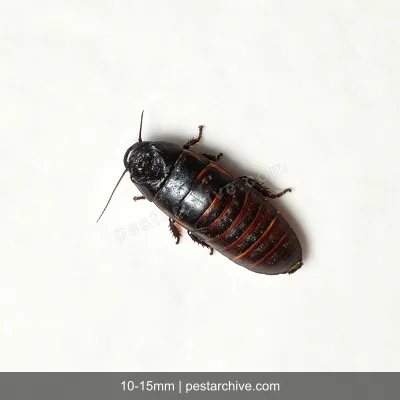
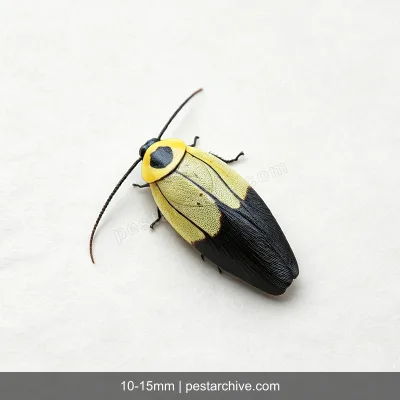
What pathogens do cockroaches carry?
Cockroaches constantly move between garbage, feces, and food. They are known to carry over 40 species of pathogenic bacteria and various parasite eggs, making them a significant household hygiene concern.
Main pathogens carried
Bacteria
- Salmonella: causes food poisoning, diarrhea, and vomiting.
- Shigella: causes bacterial dysentery, with fever and abdominal pain.
- E. coli: causes intestinal infections; severe cases may lead to kidney failure.
- Vibrio cholerae: may transmit cholera in areas with poor sanitation.
- Staphylococcus: causes suppurative infections and food poisoning.
Parasites
- Roundworm eggs: may develop into adult worms in the intestines if ingested.
- Amoeba cysts: cause amoebic dysentery.
- Whipworm eggs: cause intestinal parasitic infections.
Transmission routes
- Cockroaches crawl on utensils and food, leaving pathogens behind.
- People eating contaminated food develop diarrhea and intestinal issues.
- Cockroach vomit and feces also contaminate kitchen countertops.
- Cockroach shed skins and body fragments are potent allergens that may trigger asthma.
How to prevent?
Maintain good kitchen hygiene, store food in sealed containers, dispose of garbage promptly, and treat cockroach activity areas with dinotefuran-containing household insecticide. Reducing cockroach numbers reduces the risk of pathogen transmission.