Where do phorid fly larvae grow?
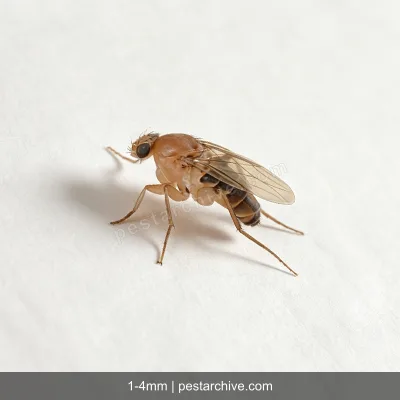
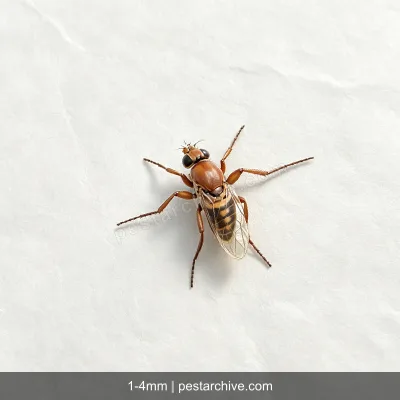
Where do phorid fly larvae grow?
The environment in which phorid fly larvae grow means that as long as there is damp, decaying organic matter in the home, it can become their breeding ground.
Most common larval breeding sites
- Inner walls of drain traps (number one breeding site) — grease and food residue adhering to the inner walls of kitchen sink drains, washbasin drains, and shower floor drains are phorid fly larvae's favorite food. These areas are perpetually damp and at suitable temperatures, making them ideal breeding sites.
- Garbage bin bottoms — kitchen waste rots in the bin; the liquid and debris at the bottom mix to become a perfect breeding ground for phorid fly larvae, especially in bins emptied only every few days.
- Dishcloths and sponges — food residues remaining on damp dishcloths, sponges, and steel wool pads ferment overnight; phorid flies may lay eggs on them.
- Mops and mop buckets — mops left un-wrung overnight, with food debris soaking in mop water — phorid fly larvae grow in these wet fibers.
- Pet feces — feces in litter boxes not cleaned promptly can also become a breeding site.
- Potted plant soil — pots that are overwatered, with persistently wet soil surfaces and uncomposted organic fertilizer, may also breed phorid flies.
What do larvae look like?
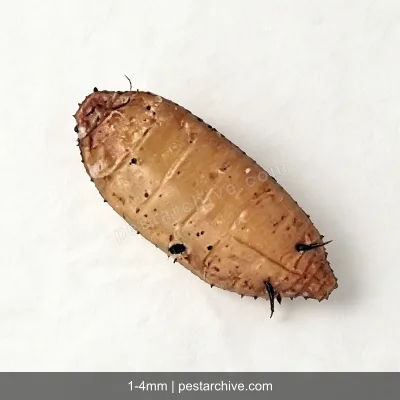
Phorid fly larvae are white or pale yellow maggots, about 3-5 mm long, legless, with tapered heads, moving by wriggling. They feed on decaying matter and complete the larval stage in about 7-10 days.
Key to control
Finding and cleaning any of the above potential breeding points is more effective than spraying alone. After cleaning, spray dinotefuran-containing household insecticide as a residual treatment in surrounding areas to prevent adults from laying eggs again.