How to Tell If It's a Phorid Fly or a Fruit Fly?
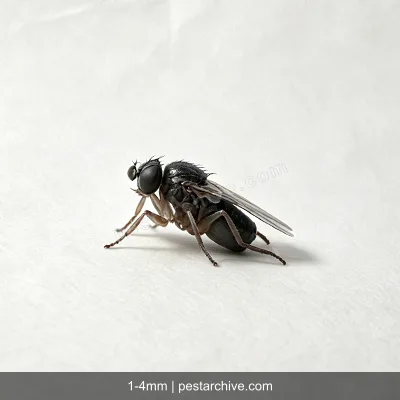
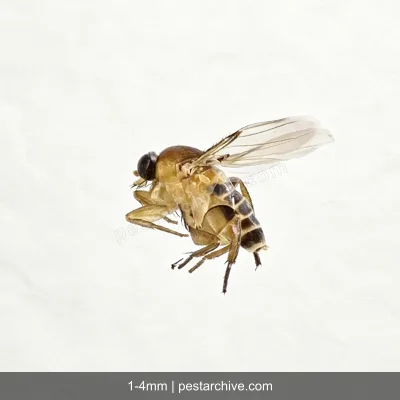
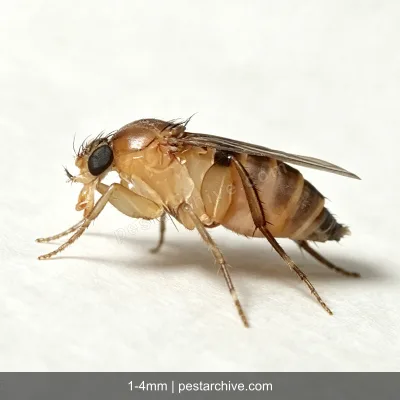
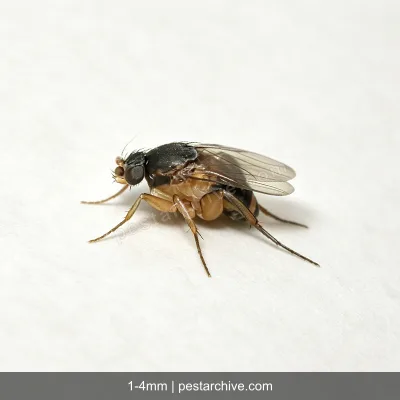
How to Tell Phorid Flies and Fruit Flies Apart?
Phorid flies and fruit flies are both common tiny flies in the kitchen, but their sources and treatment methods differ. Identifying them correctly is essential for effective control.
Appearance Differences
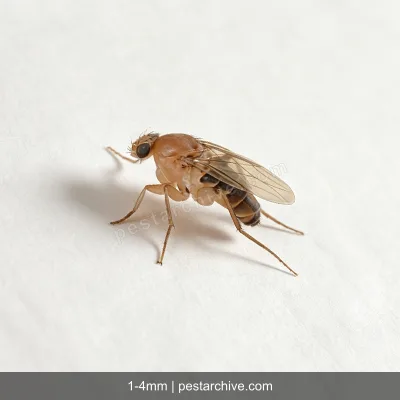
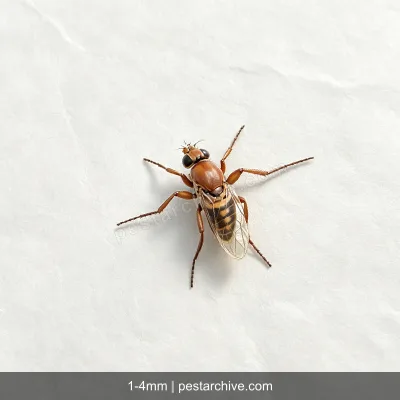
- Phorid flies: Smaller body (1–3 mm), with a distinct humpback (prominently arched thorax), which is why they are also called humpbacked flies. Overall they look tiny, dark brown to black, round-backed, poor fliers that seem to hop more than fly.
- Fruit flies: Slightly larger body (2–4 mm, not including wings), flatter and rounder body shape, light tan. The most notable feature is the eyes — fruit flies have compound eyes that are a striking red or brick-red, very noticeable.
Color Differences
- Phorid flies: Overall dark brown or black, no bright colors.
- Fruit flies: Yellow-tan to light brown. The most classic feature is the red eyes.
Behavior Differences
- Phorid flies: Weak fliers, often scuttling rapidly across the floor or walls or hopping. When active, they look like tiny ants crawling around.
- Fruit flies: Better fliers, like to circle in the air. Quick reactions — they dart away when your hand approaches.
Location Differences
- Phorid flies: Appear around kitchen sink drains, at the bottom of trash cans, near damp floor drains, in refrigerator drip trays — anywhere with decaying organic matter.
- Fruit flies: Appear around rotting fruit, fruit peels, fruit juice, wine bottles, vinegar bottles, sugary liquids — anything with fermenting sweet substances.
Breeding Source Differences
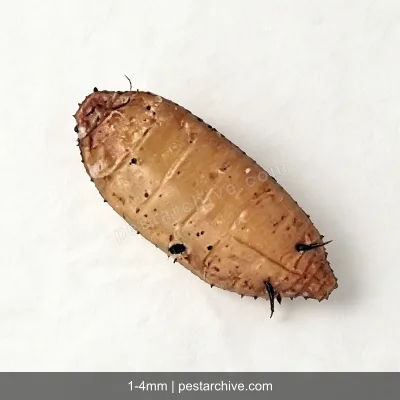
- Phorid fly larvae develop in drain grease sludge, rotting food waste, damp mops, and similar moist decaying material.
- Fruit fly larvae develop in the flesh of rotting fruit, especially favoring bananas, grapes, tomatoes, and the like.
One-Sentence Summary
"Red eyes and fruit mean fruit flies. Dark eyes and a humpback near drains mean phorid flies."