What pathogens do phorid flies carry?
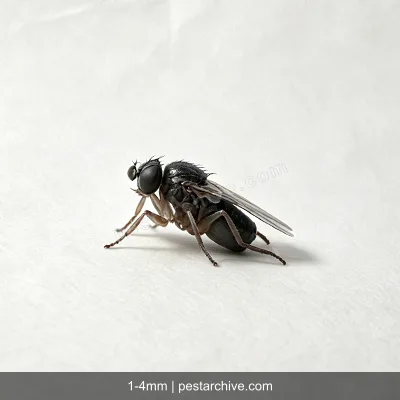
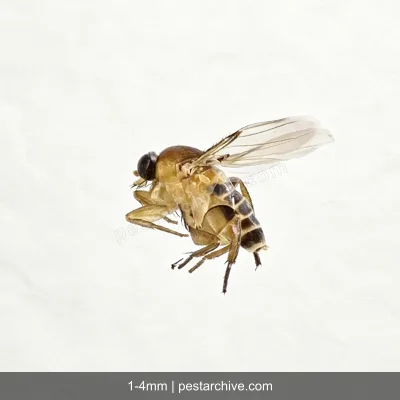
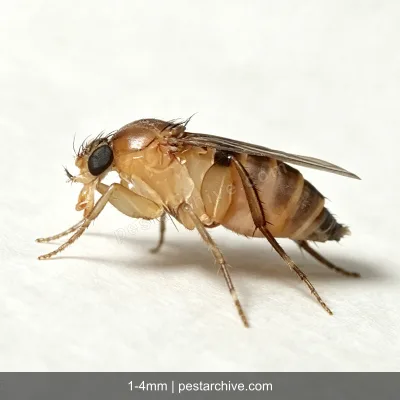
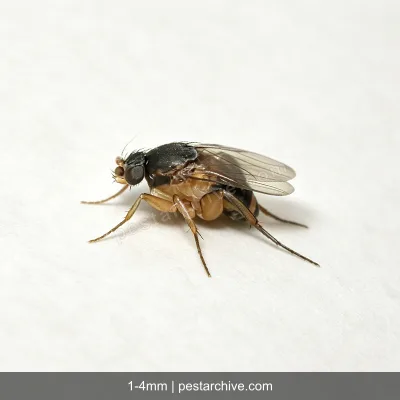
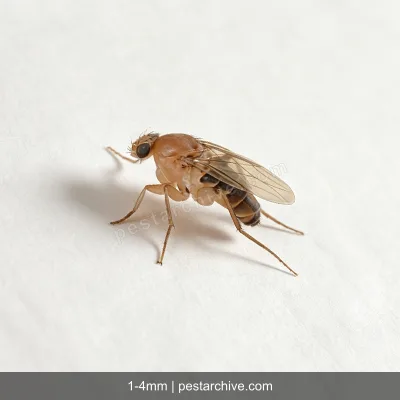
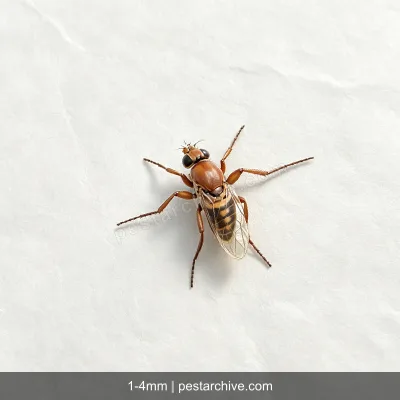
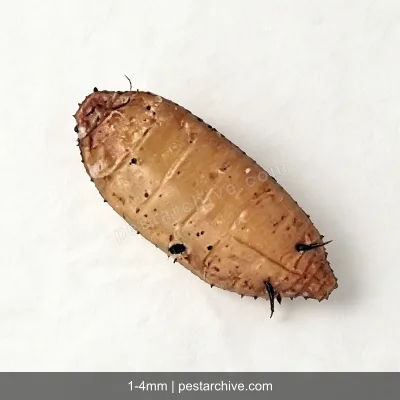
What pathogens do phorid flies carry?
Phorid flies breed in decaying organic matter; larvae grow in rotting kitchen waste, spoiled food, and drain sludge. Adults moving and feeding in these dirty environments do carry various pathogens on and in their bodies.
Pathogens phorid flies may carry
Although phorid flies are not major disease vectors like house flies or latrine flies, they can carry:
- E. coli — from decaying organic matter and kitchen waste; can cause diarrhea and gastroenteritis if food is contaminated.
- Salmonella — breeds in rotting food; can cause food poisoning if utensils or cutting boards are contaminated.
- Listeria — may be carried in rare cases; poses risks to pregnant women and immunocompromised individuals.
- Various mold spores — the fine hairs on phorid fly bodies easily pick up mold spores, which can cause food spoilage.
Transmission routes
Phorid flies are small and can easily enter cabinet crevices, under bin lids, and inside food covers, crawling on food surfaces and leaving pathogens. More concerningly, phorid flies often emerge from kitchen sink drains, bringing bacteria from the drain directly onto countertops.
Risk assessment
Compared to flies and cockroaches, phorid flies pose a lower disease transmission risk because:
- Phorid flies do not prefer feces and filth; they mainly breed in decaying plant-based organic matter.
- Phorid fly numbers are generally not as large as those of flies swarming toward food.
- Phorid flies have a small range, usually staying near their breeding sites (kitchen, bathroom).
However, if there are many phorid flies flying around the kitchen, they do pose a threat to food hygiene and should be dealt with promptly.
Control points
The key to eliminating phorid flies is cleaning breeding sites: check kitchen sink drains for grime buildup, ensure garbage bins are sealed, and check floor cracks for rotting food debris. Then spray dinotefuran-containing household insecticide as a residual treatment around garbage bins, inside sink cabinets, and on the outer walls of drainpipes to cut off phorid fly travel routes.