How to use dinotefuran-containing household insecticide spray against citrus longhorn beetles?
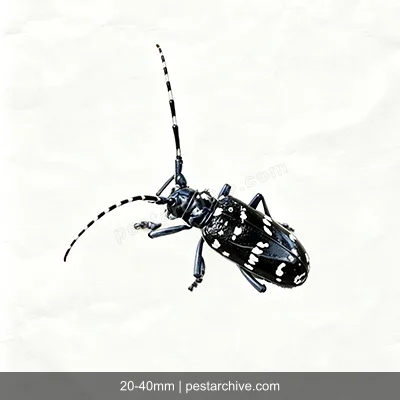
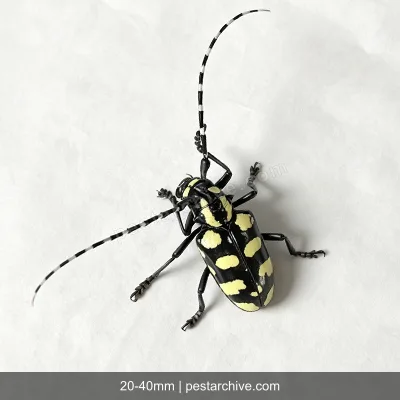
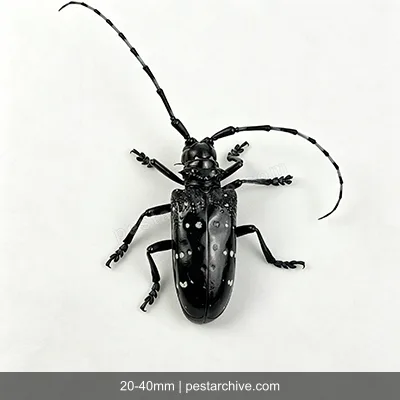
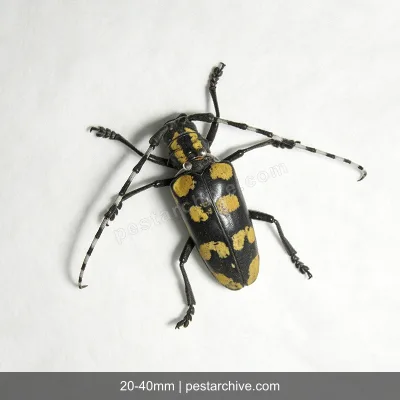
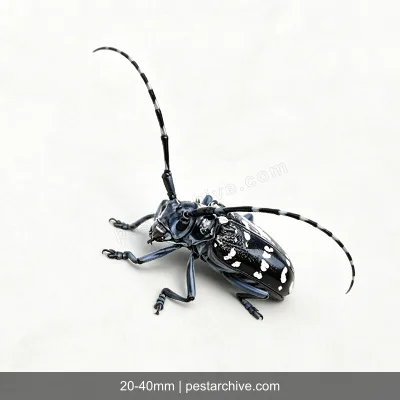
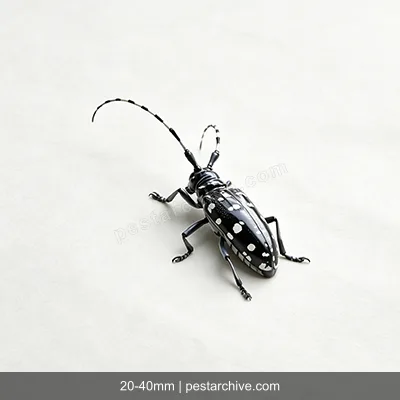
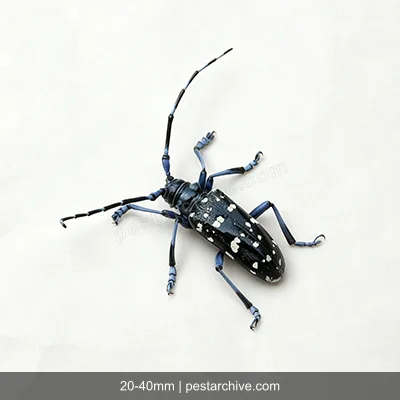
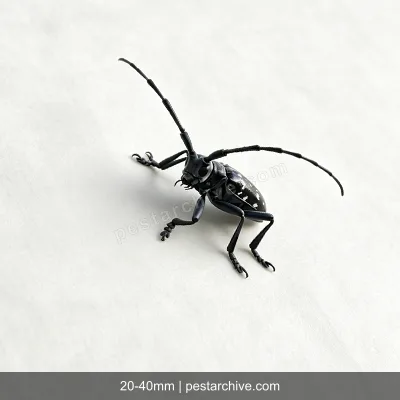
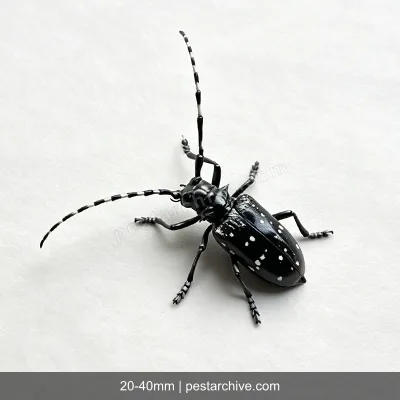
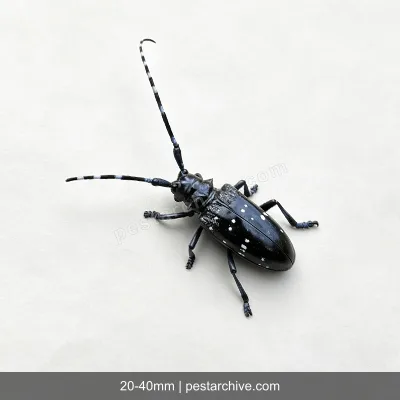
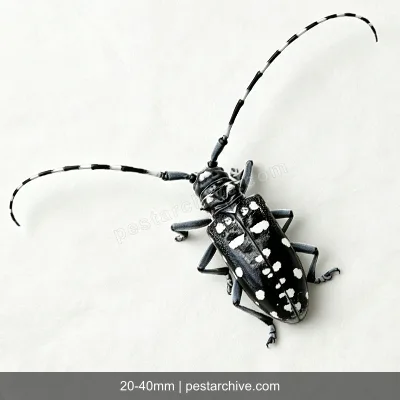
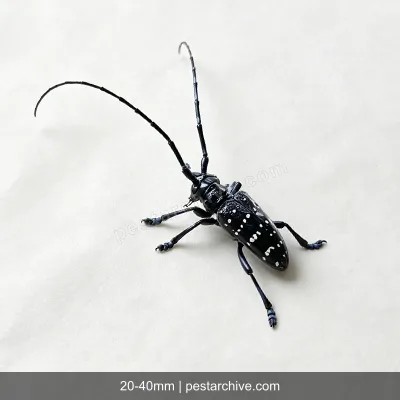
How to use dinotefuran-containing household insecticide spray against citrus longhorn beetles?
Control of citrus longhorn beetles must be divided into adult and larval stages, and the application method for dinotefuran spray differs accordingly.
Adult control
Adults are active from May to August; control focuses on preventing egg laying:
- During the adult emergence period (May-August), spray dinotefuran-containing household insecticide on trunks and main branches.
- Focus on the trunk base (within 50 cm of the ground).
- Also spray large branch crotches.
- Adults that contact the spray will die from poisoning.
- Spray every 10-15 days to cover the entire adult activity period.
- Spray trunks until slightly damp but not dripping.
Larval control (after boring into the trunk)
Once larvae have entered the trunk, surface spraying is ineffective and requires special treatment:
- Locate boreholes — find where fresh wood shavings and frass are emerging.
- Inject insecticide — use a thin tube or syringe to inject dinotefuran-containing household insecticide directly into the borehole.
- Seal — seal the borehole with clay, mud, or wax.
- Principle — larvae moving inside the tunnel contact the insecticide and die.
- Check effectiveness — after a few days, check if new wood shavings are still appearing; if so, re-treat.
Auxiliary methods
- Whitewashing — apply limewash to the trunk base to repel egg-laying adults.
- Wire hooking — insert a thin wire into the borehole to kill larvae.
- Manual capture — catch adults on trees on summer and autumn evenings.
Control on large yard trees
If trees are tall and difficult to treat with household equipment, hire a professional tree care company.