How to prevent citrus longhorn beetles from laying eggs on balcony plants?
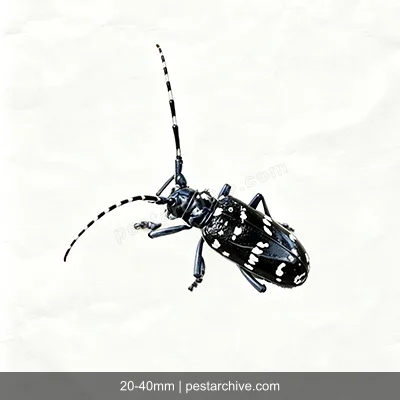
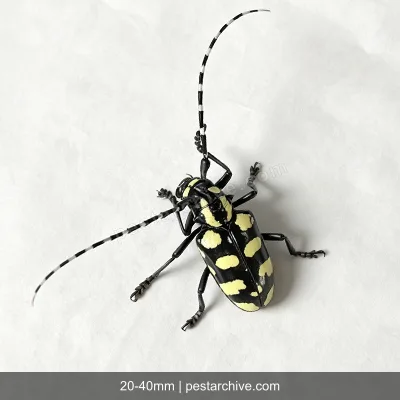
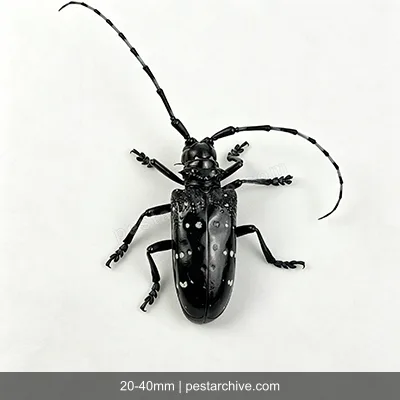
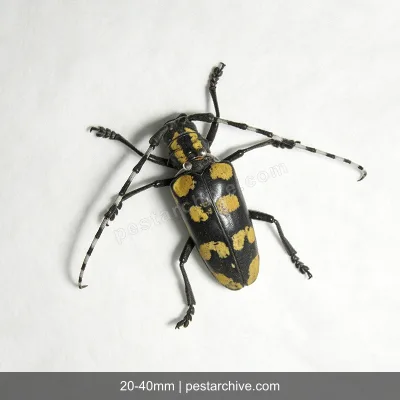
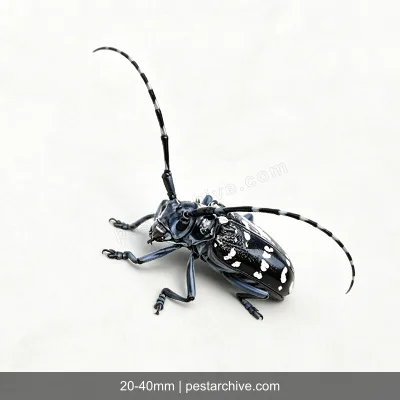
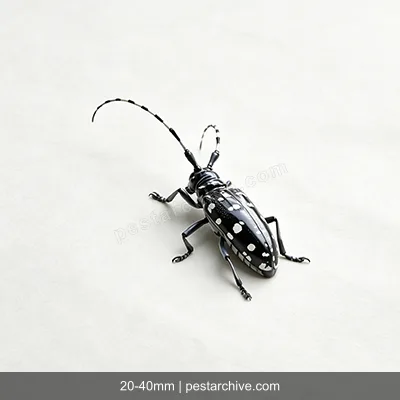
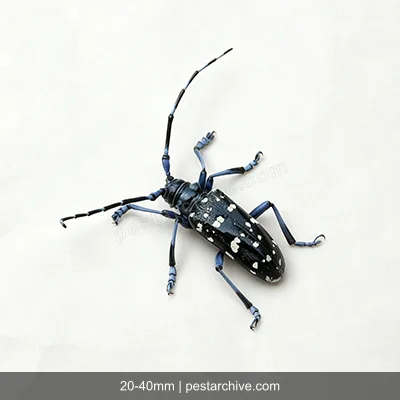
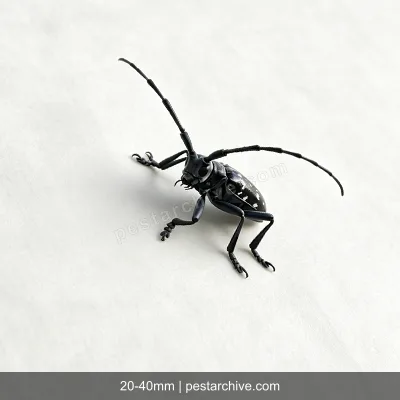
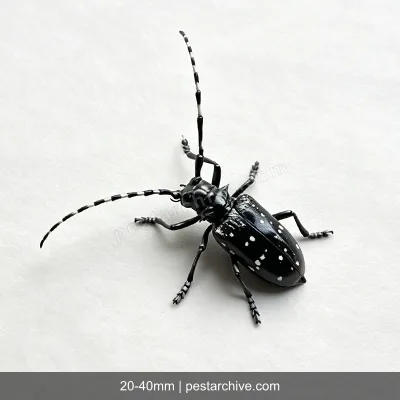
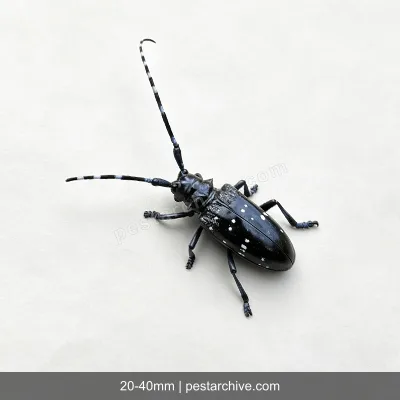
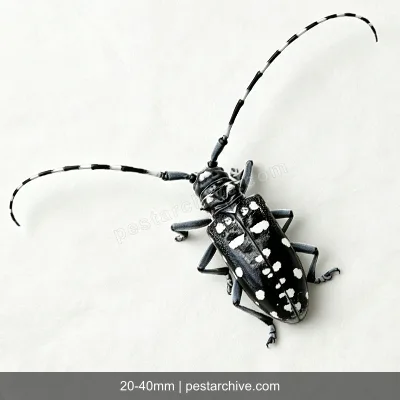
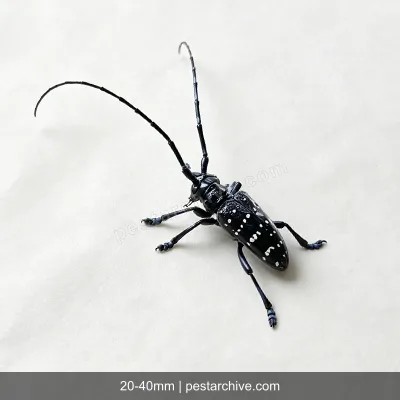
How to prevent citrus longhorn beetles from laying eggs on balcony plants?
Citrus longhorn beetles mainly attack woody plants. Potted woody plants on balconies — such as osmanthus, rose stumps, and pomegranates — may also be targeted by adults.
How citrus longhorn beetles lay eggs
- Female beetles chew a "notch" into the trunk base or thick branches with their mouthparts.
- They lay a single egg in each notch.
- Egg-laying sites are usually on the main trunk 30-50 cm above the ground.
- The egg-laying period is generally May-August.
Inspection methods
- During the beetle activity period (May-August), inspect the main stems of potted plants weekly.
- Focus on the trunk base (near the soil surface).
- Look for fresh horseshoe-shaped notches.
- There may be wood shavings or sap around the notches.
- Treat any notches immediately to prevent eggs from hatching.
Control measures
- Trunk spraying — spray dinotefuran-containing household insecticide on the main trunk and branch bases to deter adults from laying eggs.
- Whitewashing — apply limewash to the trunk base (quicklime:water = 1:5, with a little salt) to repel egg-laying adults.
- Manual capture — check the balcony on summer and autumn evenings; catch and remove any adults seen.
- Prune infested branches — if branches are already bored, prune and destroy them.
What to do if larvae are found?
If frass and wood shavings are seen emerging from boreholes, larvae have already entered. Insert a thin wire into the borehole to kill the larvae, or inject dinotefuran-containing household insecticide into the borehole and seal with clay.