Where do fleas prefer to hide?
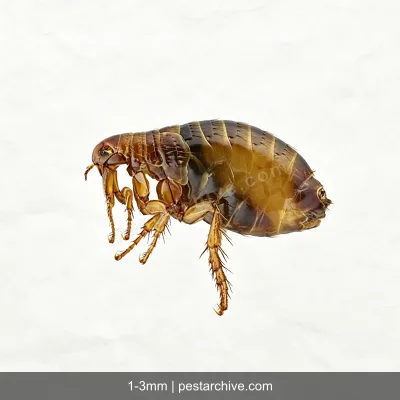
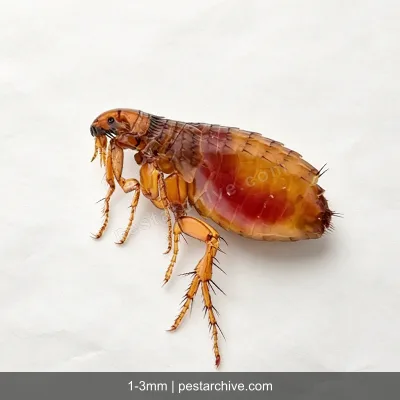
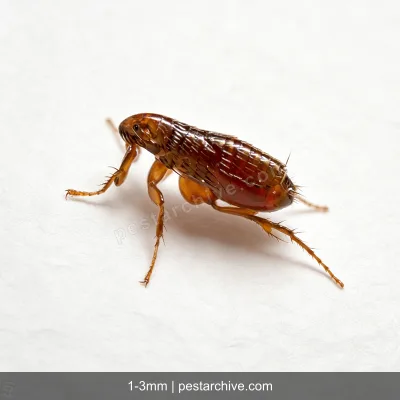
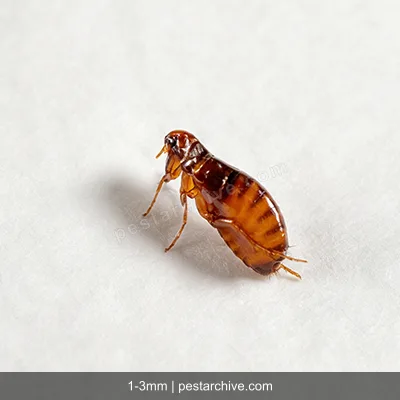
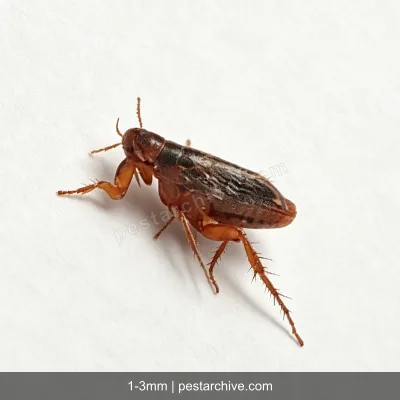
Where do fleas prefer to hide?
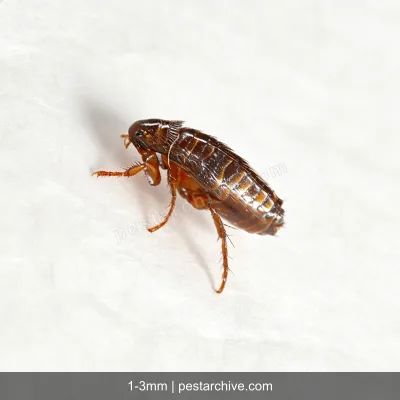
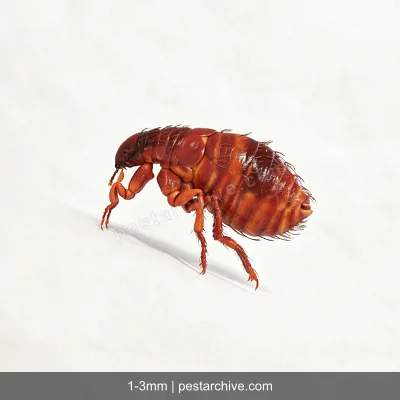
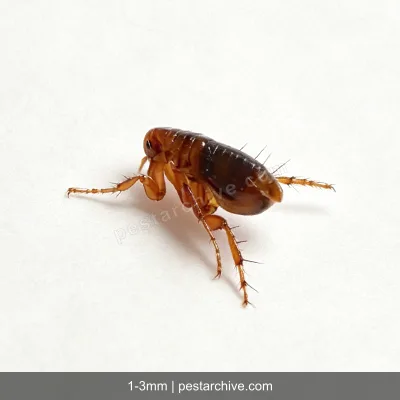
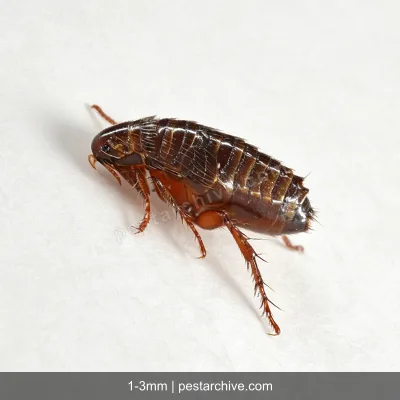
Flea hiding places are closely tied to their survival needs — they require dark, warm, moderately humid environments close to hosts (humans or pets). Understanding flea hiding patterns makes control more effective.
Key indoor hiding areas
- Carpets and rugs — deep carpet fibers are ideal for flea eggs, larvae, and pupae. Larvae feed on adult flea feces (containing undigested blood) at the carpet base, an area vacuums struggle to clean thoroughly.
- Floor cracks and baseboards — gaps between wooden floorboards and baseboards serve as daytime shelters for adult fleas and routes for spreading between rooms.
- Sofas and upholstered furniture — cushion crevices, under seat cushions, and behind back cushions, especially where pets frequently lie. These areas are warm and undisturbed.
- Mattress seams — mattress piping, seams, and label folds; flea pupae can lurk here for weeks, emerging to bite when you lie down.
- Pet bedding and surrounding areas — pet bed pads, blankets, and within a 1-meter radius; this is the highest-density flea area because pets are their preferred hosts.
- Curtain hems and behind doors — fleas may also rest temporarily in these undisturbed corners.
Where fleas are less likely to be
- Smooth floors (tile, marble) — fleas have poor traction on these surfaces and are easily spotted and removed; fleas prefer fibrous and creviced areas.
- Sunlit areas — fleas dislike dryness and light; opening curtains to let sunlight in has some deterrent effect.
- Well-ventilated areas — fleas dislike airflow.
Special dormant ability of pupae
Flea pupae are protected by a tough cocoon covered with dust particles, providing natural camouflage. Pupae can remain dormant for months, emerging only when they detect the presence of a host (vibration, exhaled CO₂, body heat). This is why moving into a long-vacant room can suddenly result in flea bites. The fleas did not disappear — they were "sleeping" in their pupal cocoons, waiting for your return.
Cleaning recommendations
Based on flea hiding habits, focus on:
- Vacuum carpets repeatedly; seal and discard the vacuum bag. Vacuum vibration promotes pupal hatching.
- Wash pet bedding in water above 60°C and tumble dry on high heat.
- Spray dinotefuran-containing household insecticide on sofa and mattress crevices; the residual film provides continuous control.
- Apply residual spraying to baseboards and floor cracks to cut off flea travel routes.