Can Fleas Transmit Diseases?
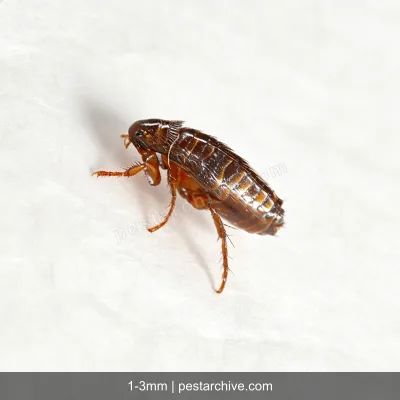
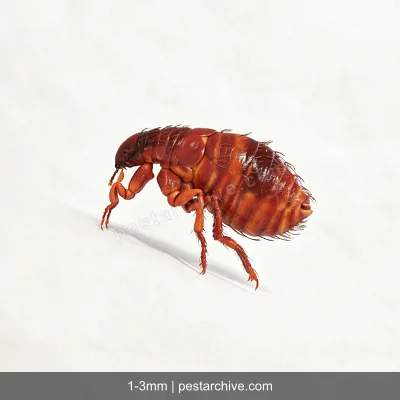
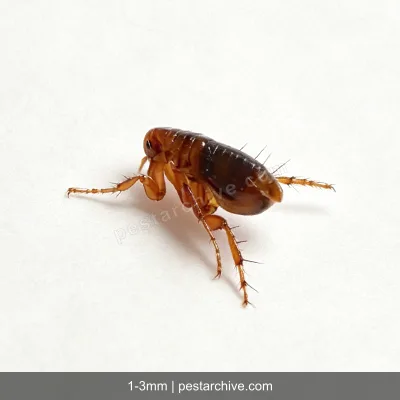
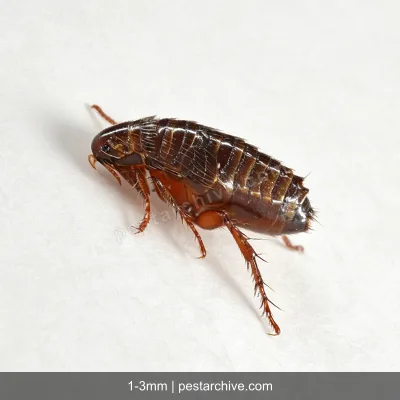
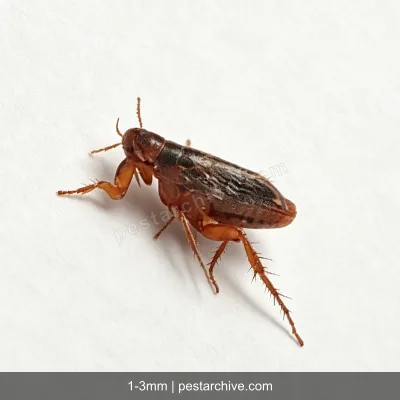
Can Fleas Spread Diseases?
Fleas can spread certain diseases. Although serious flea-borne epidemics are extremely rare under modern urban sanitation, understanding the risks will help you take flea control seriously.
Diseases Spread by Fleas
- Plague (historically the worst) — Caused by the bacterium Yersinia pestis and spread by fleas that feed on infected rats. When a flea bites an infected rat and then bites a human, it injects the bacteria into the person. Plague killed tens of millions of people throughout history, but today it is extremely rare in urban areas.
- Murine typhus — Caused by Rickettsia typhi. Symptoms include high fever, headache, and a full-body rash. It spreads mainly through rat fleas between rodents and people. It has become uncommon with improved urban sanitation.
- Parasitic infections — Fleas can carry the larvae of certain tapeworms, such as Dipylidium caninum. Pets can get infected when they swallow a flea while grooming. Children can occasionally become infected through hand-to-mouth contact. The main symptom is anal itching.
- Bacterial infections (indirect harm) — Flea bites itch intensely. Scratching breaks the skin and can lead to secondary bacterial infections. In severe cases this can develop into cellulitis requiring antibiotic treatment.
What Should Concern You Most?
- For urban households, the biggest direct harm from fleas is not serious disease transmission — it is the intense itching and skin irritation from bites.
- Flea bites produce clusters of red welts on ankles and calves. The itch can be maddening and disrupt sleep and daily life.
- The risk of a secondary infection from scratching is far higher than the risk of catching plague from a flea.
Prevention and Control Advice
- Deal with fleas as soon as you notice them. Do not put it off — fleas multiply fast.
- At the same time, control rodents. Cutting off the flea's wild host source solves half the problem.
- If you have pets, treat them with flea prevention regularly. Do not stop during winter.
- Avoid scratching flea bites. Apply calamine lotion or an anti-itch cream.
- See a doctor if you develop fever, chills, or other systemic symptoms, or if a scratched bite becomes red, swollen, and spreads or starts oozing pus.