What are effective methods for springtail control?
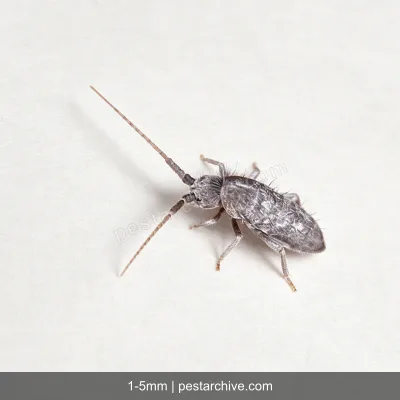
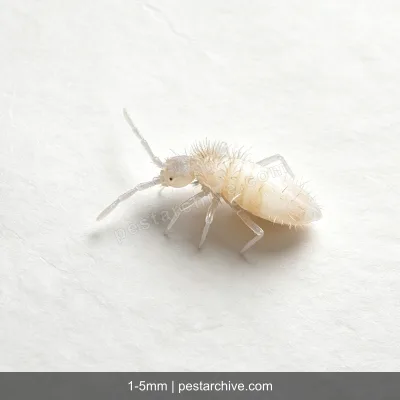
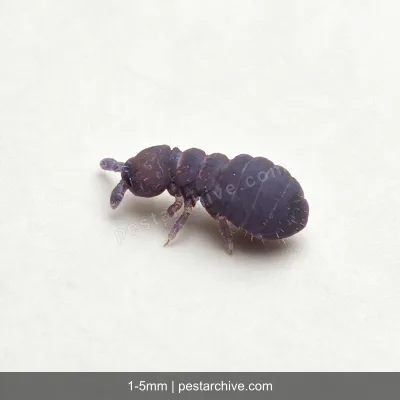
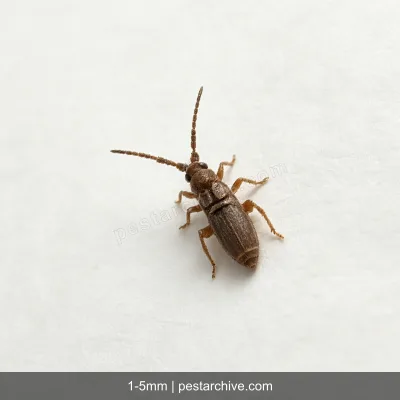
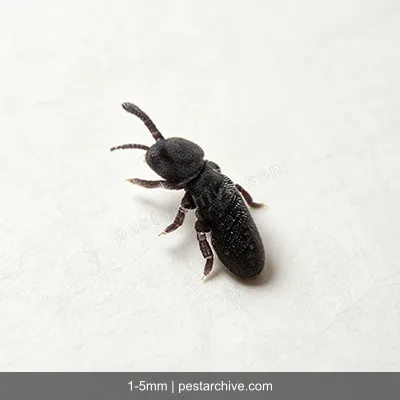
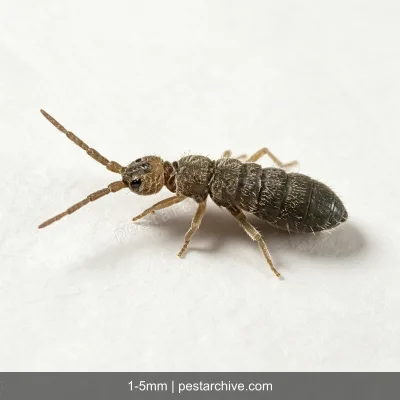
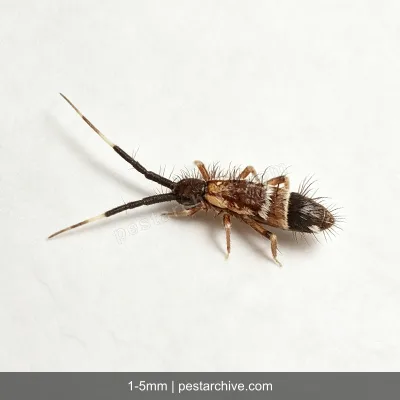
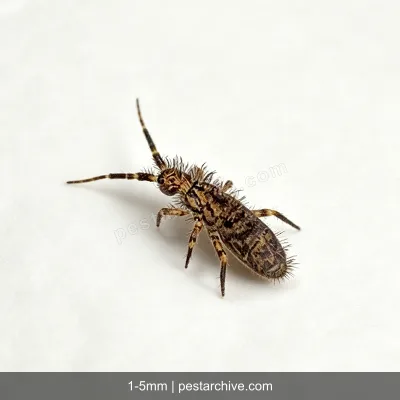
What are effective methods for springtail control?
In summary, springtail control involves three steps: dehumidify, cut off food, and spray. Follow this order for best results.
Step 1: Dehumidify (fundamental)
This is the most critical step — once humidity drops, springtails cannot survive:
- Use a dehumidifier or improve ventilation to reduce indoor humidity below 50%.
- Kitchens and bathrooms are priority areas; remove moisture promptly after showering and cooking.
- Fix all leaking pipes and faucets.
- During rainy seasons or humid weather, run the dehumidifier continuously.
Step 2: Cut off food (remove mold)
- Springtails feed on mold and decaying organic matter. Remove mold, and their food source is gone.
- Thoroughly clean; discard moldy cardboard boxes, old planks, and other debris.
- Wipe moldy walls and tile gaps with mold remover or white vinegar.
- Keep the area dry after cleaning to prevent mold from returning.
Step 3: Spray (kill insects)
After dehumidification and mold removal, use dinotefuran-containing household insecticide to eliminate remaining springtails:
- Spray where springtails congregate — tile gaps, baseboards, and corners are key areas.
- Once dry, the insecticide forms an invisible film; springtails that crawl over it die. Residual effect lasts 2-4 weeks.
- Combined with dehumidification, the insecticide's effectiveness is extended.
Integrated effectiveness
If all three steps are followed, springtails will be practically eliminated. Dehumidification is the most critical step — as long as the home remains dry, springtails will not return.