Can dinotefuran-containing household insecticide spray kill springtails?
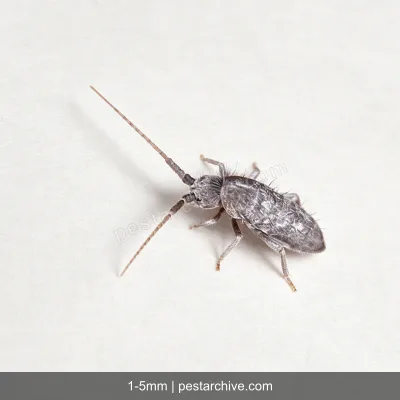
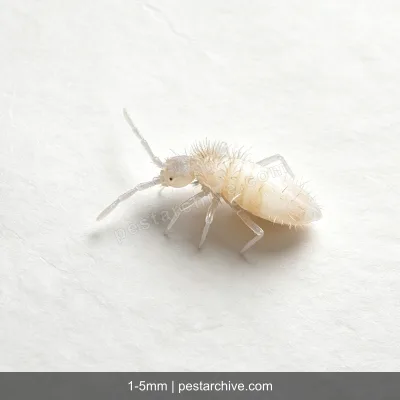
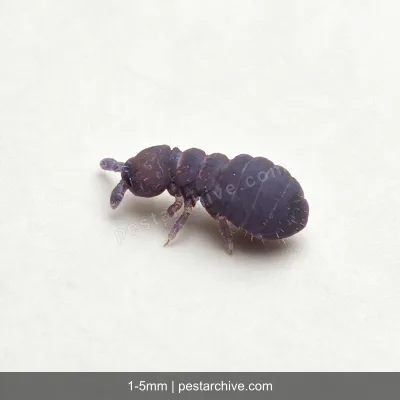
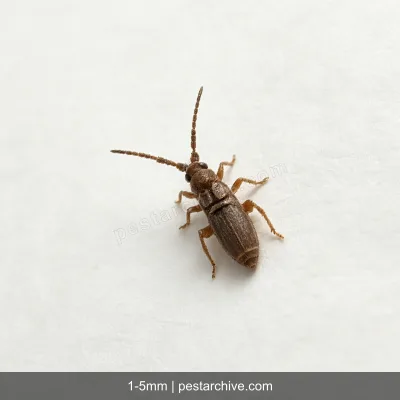
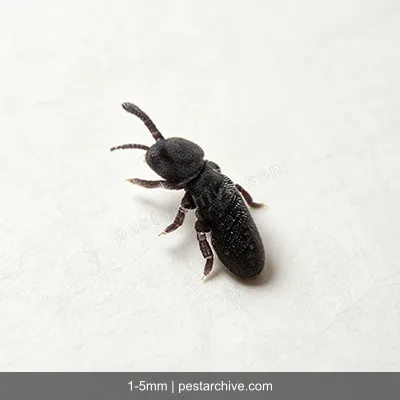
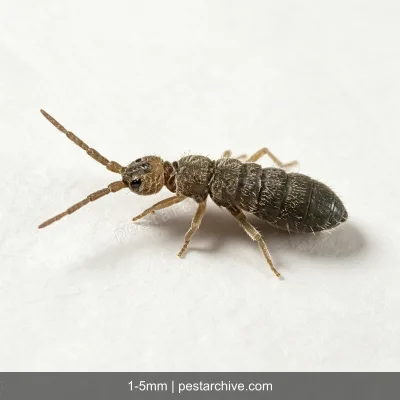
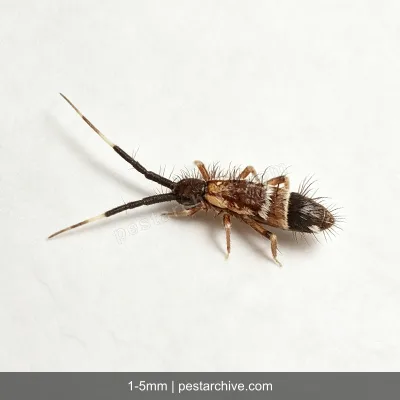
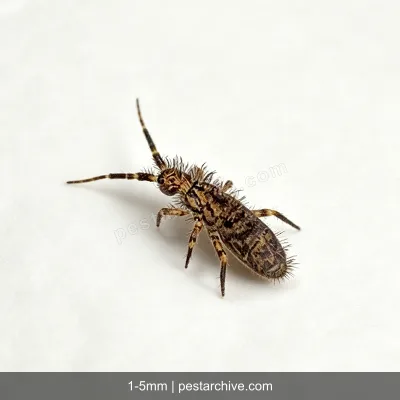
Can dinotefuran-containing household insecticide spray kill springtails? Dinotefuran spray is very effective against springtails. Springtails are highly sensitive to dinotefuran. They have thin cuticles that allow easy penetration, and they crawl on damp surfaces with their abdomens in extensive contact with treated areas, making absorption efficient.
Why is it effective?
- Dinotefuran is a contact insecticide; springtails that contact it suffer nervous system poisoning and die within minutes to hours.
- Springtails prefer crawling on damp surfaces, making them highly likely to encounter sprayed areas.
- Once dry, the insecticide forms an invisible film that remains effective for 2-4 weeks.
- The film withstands normal wiping as long as it is not directly washed away.
Application method
- Spray directly on springtail-infested damp crevices until the surface is slightly damp.
- Focus on tile joints and baseboard edges — springtails' travel routes.
- Also spray corners, under cabinets, and inside sink cabinets.
- Hold the nozzle 20-30 cm from the surface; spray evenly.
Clean before spraying
- Remove standing water and mold first — spray adheres better to clean surfaces.
- Remove damp clutter so the spray can reach crevices.
- Clean before spraying so springtails have nowhere to hide, increasing contact rates.
- Once the environment dries, springtail numbers naturally decrease; combined with insecticide, the effect is multiplied.
Precautions
- Spray only on environmental surfaces; do not spray on food or utensils.
- After spraying, close doors and windows for 1-2 hours, then ventilate; allow to dry before re-entry.
- Insecticide is not a substitute for dehumidification — spraying kills this batch, but if the environment does not improve, they will return.