Where Do Booklice and Flour Mites Come From? A Two-Pronged Check – Humidity + Food Sources
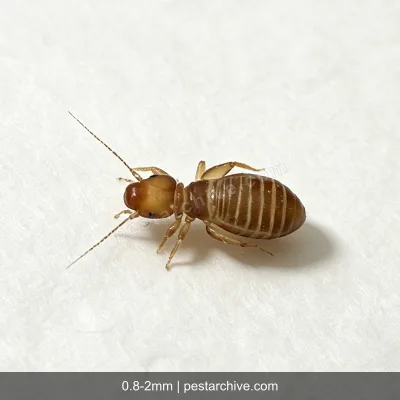
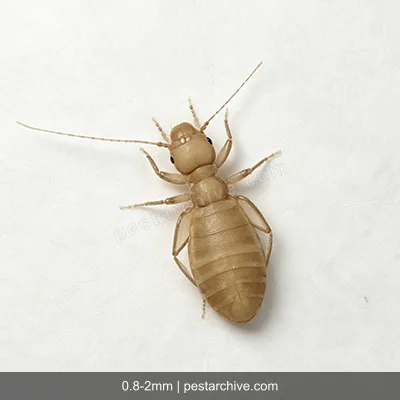
The Root Cause of Booklice and Flour Mites: High Humidity
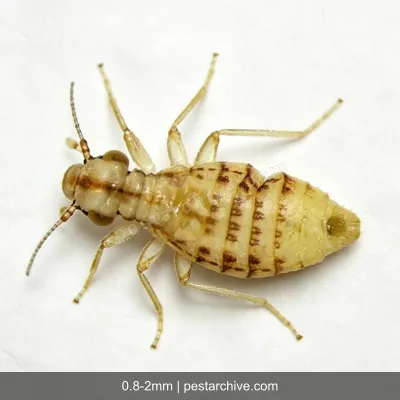
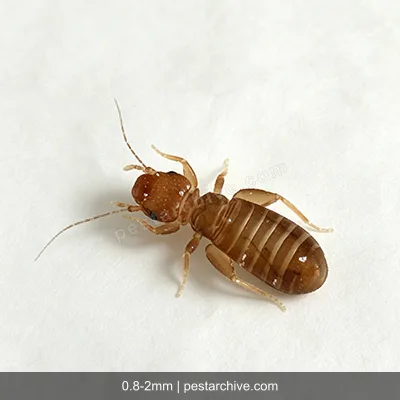
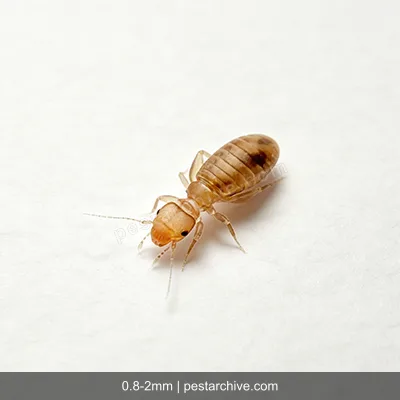
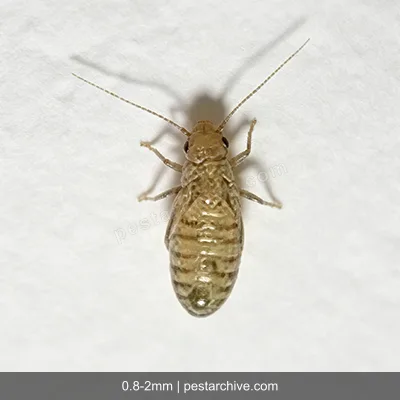
Booklice and flour mites share one critical survival requirement: high humidity. Booklice need relative humidity above 60% to survive and breed; flour mites need above 65-75%. If you have either of these bugs in your home, humidity somewhere has passed that threshold.
Key insight: Booklice and flour mites don't fly in from outside. They're always there – in dust, in grains, in paper – but when humidity is low, their numbers stay so minimal you don't see them. When humidity rises above their breeding threshold, their population explodes within weeks, and you suddenly "discover" them. So the issue isn't "killing bugs" – it's "lowering humidity."
Humidity Source Check: Find Where Moisture Is High
Where booklice or flour mites appear is itself an indicator of high humidity. Wherever they gather, humidity is a problem there. Check these spots:
- Walls and baseboards (booklice's most common location): Booklice crawling on walls means that wall has elevated moisture. Possible causes: damaged exterior waterproofing letting rain in, a small pipe leak in the wall, the wall backs onto a bathroom or kitchen (vapor passing through), or the area has extremely poor ventilation. Touch the wall – does it feel cool and damp? (Cool doesn't always mean damp, but long-term cool + no ventilation often means condensation)
- Bookshelves and bookcases (where booklice get their name): Booklice feed on starch in bookbinding glue, mold spores on paper, and organic dust particles. If a bookcase is against a wall in a poorly ventilated corner, air behind the bookcase doesn't circulate – moisture accumulates in the gap, creating high humidity. Move the bookcase and check the wall behind for mold or damp stains
- Wardrobes/closets (booklice and silverfish): If the closet is on an exterior wall, clothes put away not fully dry, or the room is poorly ventilated. Place a hygrometer in the closet – if readings stay above 65%, take action
- Food storage areas (flour mites): Flour, rice, grains, pet food, dried fruit – if stored in a high-humidity environment (like a cabinet under the kitchen sink), they absorb moisture from the air and become suitable for flour mite breeding. Check inside any food package that's been opened for more than a month – look for brown powdery specks moving slowly (mite colonies)
- Newly renovated areas (booklice): Fresh plaster, new wallpaper, new wood flooring all involve a lot of moisture during installation – indoor humidity spikes during drying. If you moved in before materials were fully dry, booklice can bloom in newly renovated homes
Food Source Check: What Do Booklice and Flour Mites Eat?
Booklice feed on:
- Starch-based bookbinding glue
- Wallpaper paste
- Mold spores on walls and in dust (their main food)
- Trace organic residues in paper
- Dried plants and dried flowers
Flour mites feed on:
- Flour, rice flour, grain flours
- Milk powder, protein powder
- Cheese, dried yeast
- Pet food (dry dog food, cat food, fish food)
- Dried fruit and nuts
- Damp cardboard and paper bags (trace starch in pulp)
Investigation Steps – Trace Back from Where You Found Them
Step 1: Map the Range (about 10 minutes)
Use a flashlight to check all areas where you've seen booklice or flour mites. Mark every location where you spot them. The area these locations form – somewhere near the center of that area – is the highest humidity and heaviest breeding spot. If booklice are only on one wall, that wall is the issue. If they're on all walls in a room, the room's overall humidity is the issue.
Step 2: Measure Humidity to Confirm (about 5 minutes)
If you have a hygrometer (a cheap digital one for $15-20 is fine), place it where bugs are most concentrated and read the relative humidity. If readings stay above 60% (booklice) or 65% (flour mites), ambient humidity is the main cause. If readings are below the threshold but bugs are still there, it's a localized microclimate (inside a bag of flour, behind a section of wall) – you need to investigate deeper in those specific spots.
Step 3: Find and Remove the Breeding Source (timing depends on scope)
- Flour mite sources: Open every grain and dry food package in the kitchen and pantry. Any package with brown powdery specks and tiny moving dots – seal the whole bag and discard in outdoor trash. Deep-clean storage cabinets – vacuum every crack and corner for flour/grain residue. Wipe all surfaces with hot soapy water and dry completely
- Booklice sources: Remove and check all books, cardboard boxes, and clothes near where you found them. Damp/moldy books (mold stains on spines or covers) – seal in a plastic bag and freeze for 72 hours or sun-bake for a full day before returning to the shelf. Replace cardboard storage boxes with plastic bins. Clean wall mold (if any): wipe with undiluted white vinegar – don't use water (water makes dampness worse). Wear rubber gloves and a mask when wiping
Step 4: Lower Humidity (the fundamental solution)
This is what truly solves booklice and flour mite problems. Once humidity is controlled, even if a few eggs or larvae remain, they can't multiply to a level you'd notice:
- Use a dehumidifier to keep indoor relative humidity below 50%. A dehumidifier is the single most effective device for booklice and flour mite problems – bar none
- If it's a localized issue (one cabinet or one wall), place desiccant packs or moisture-absorbing boxes in that spot
- Increase ventilation: open windows for 30+ minutes daily. Place a small fan in poorly ventilated corners to promote air movement
- Pull bookcases and closets away from walls – leave at least 2 inches (5cm) gap for air to circulate
- Fix all leaks and sources of water staining
- Store grains and dried goods in containers with seal rings, with a desiccant pack inside
Booklice/Flour Mite Source Checklist
- Did you mark and record all locations where you've seen them?
- Did you measure humidity with a hygrometer at those locations (is it above 60%)?
- Did you open and inspect every grain/dry food package (flour mites)?
- Did you move bookcases, closets, and boxes to check behind them for damp/mold stains (booklice)?
- Did you treat any moldy/damp books and paper items?
- Has the dehumidifier brought indoor humidity below 50%?
- Are bookcases and closets at least 2 inches (5cm) from walls?
- Are all grains and dry goods sealed in containers with desiccant packs?
- Have bug numbers noticeably dropped 2 weeks after treatment?
Booklice/Flour Mite FAQs
Why do I still have booklice even with a dehumidifier running?
Possible reasons: 1) The dehumidifier isn't powerful enough for the room size. 2) There are localized microclimates with high humidity (inside a bag of grain, in the gap between a bookcase and wall) that the dehumidifier can't reach. 3) Bug numbers are high enough that population decline takes time – reaching unnoticeable levels usually takes 1-2 weeks. Keep the dehumidifier running and also check for localized high-humidity spots.
Do flour mites bite people? How are they different from dust mites?
Flour mites don't bite. They feed on starch and protein in stored grains and food. Dust mites also don't bite – they feed on shed human skin scales and live in mattresses, pillows, and carpets. Flour mites appear in food storage areas; dust mites appear in bedding and upholstered furniture. Both need high humidity to breed – lowering humidity works for both.