Booklice on the Bed? What to Do
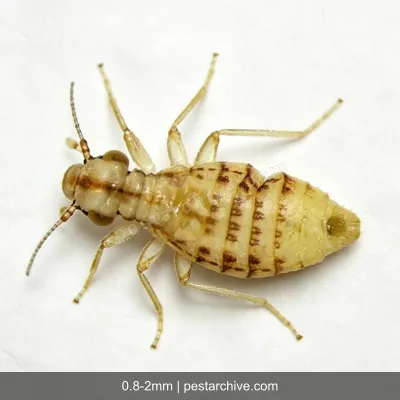
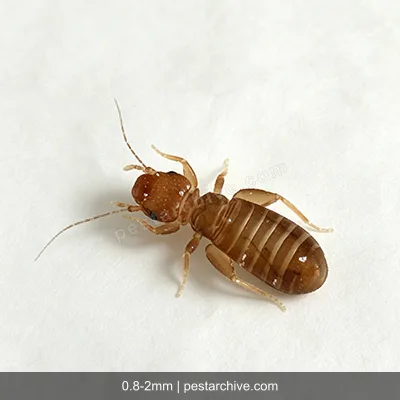
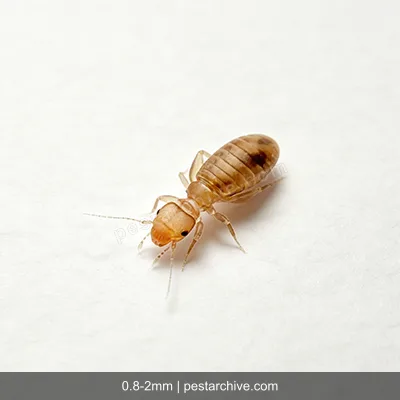
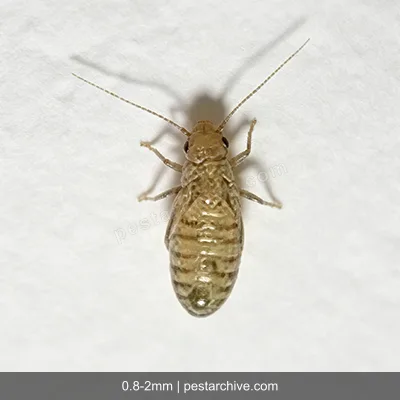
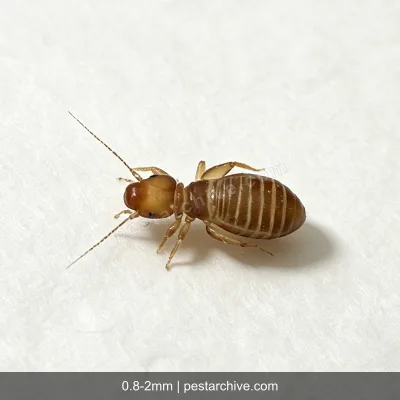
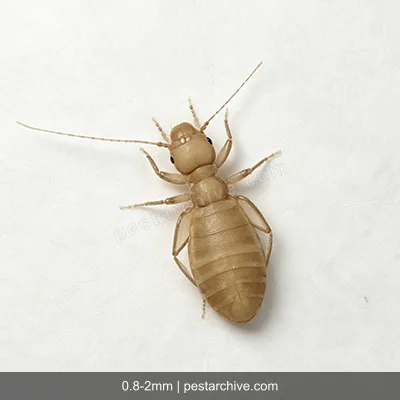
Real scene: Before you lie down for the night, you notice a few tiny, translucent, light-colored bugs crawling slowly near your pillow. You shine your phone's flashlight into the mattress seam. There are a few more. You jump up and rip off the sheets. Take a breath. These bugs on the bed are almost certainly booklice. They don't bite, and they don't breed on the bed. They crawled here from somewhere else.
Quick answer: Finding booklice on the bed is unsettling, but don't panic. Booklice feed on mold and fungi. They can't survive or breed for long on a dry bed. Solve it in two steps: wash all bedding in hot water above 60 degrees C and dry on high heat. At the same time, find where mold is growing indoors. That's where the booklice came from.
Why booklice appear on the bed
Booklice are only 1 to 2 mm long, translucent or light brown, wingless, and slow-moving. Their main food is mold hyphae and fungal spores. There's no food for them on a dry, clean mattress and sheets, so they can't breed there. The booklice on your bed crawled from elsewhere in the room where mold is growing: on the wall behind the bed, on the damp back panel of a wardrobe, in water stains on the windowsill, or in the corner behind a bedside table where air doesn't circulate.
Treat bedding
- Remove all sheets, duvet covers, and pillowcases. Place them directly in a plastic bag and carry them to the washing machine. Don't carry them across the room loose, or booklice may fall off and spread.
- Wash in hot water above 60 degrees C with detergent.
- Dry on high heat for at least 30 minutes. Heat kills adult booklice and their eggs.
- Vacuum the mattress thoroughly, paying special attention to seams, edges, and corners. Seal and discard the vacuum bag afterward.
- If you find mold on the mattress (usually on the underside that's poorly ventilated), wipe it with diluted white vinegar or mold remover. Let it dry completely before putting sheets back on. A badly moldy mattress may need to be replaced.
Find the source: Where is the mold?
After treating the bedding, the next step is finding where the booklice came from. Otherwise, they'll crawl back from the mold source in a few days:
- Check the wall behind the bed for mold spots or water stains. Beds pushed against the wall create a poorly ventilated area that's prone to mold.
- Check the back panel of the wardrobe for dampness or mold, especially if it's against an exterior wall.
- Check the windowsill and window frame corners for water stains, mold, or standing water in the window track.
- Check behind and under the bedside table for dust and mold that may have accumulated over time.
- If you have bookshelves or stacked old books and cardboard boxes in the room, check book covers and box bottoms for mold. Booklice are named for books because they feed on mold that grows on damp paper and bookbinding glue.
Environmental drying
After finding and removing the mold, reducing indoor humidity is the most important measure to prevent booklice from coming back:
- If your bedroom tends to be damp (bedding feels clammy, walls feel sticky), run a dehumidifier to keep relative humidity at 50% to 55%.
- Leave a 5 to 10 cm gap between the bed headboard and the wall for air circulation.
- Lift the mattress periodically to let air circulate underneath. Don't keep it sealed against a solid bed base.
- Air bedding in the sun regularly. Sunlight and dryness help control both booklice and mold.
Pesticides: Usually not needed
Booklice are fundamentally a mold problem. Remove the mold and lower the humidity, and booklice disappear on their own. If you find booklice on the bed, spraying a residual household insecticide spray in gaps in the bed frame and bedside table can help reduce active individuals, but it doesn't replace mold removal and humidity control.
Common mistakes
- Mistake 1: Booklice on the bed mean the mattress is dirty. Fact: Booklice have nothing to do with cleanliness. They're about whether mold is present. A spotless bedroom with a moldy wall can still have booklice.
- Mistake 2: Booklice bite or suck blood. Fact: Booklice don't bite or suck blood. Their mouthparts can only scrape mold hyphae and fungal spores. Booklice on the bed pose no direct harm to people.