Lice vs. Dandruff: How to Tell the Difference
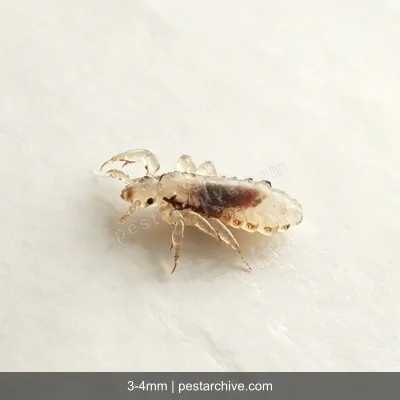
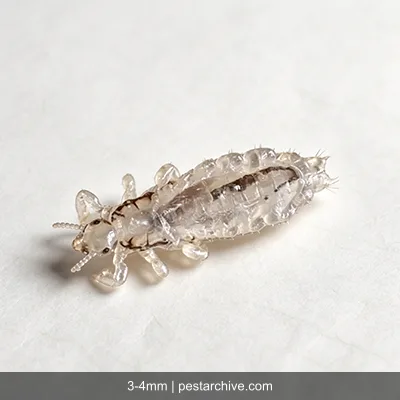
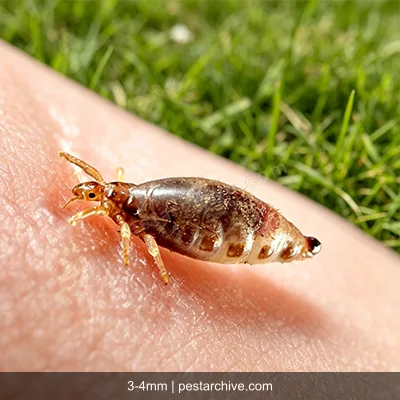
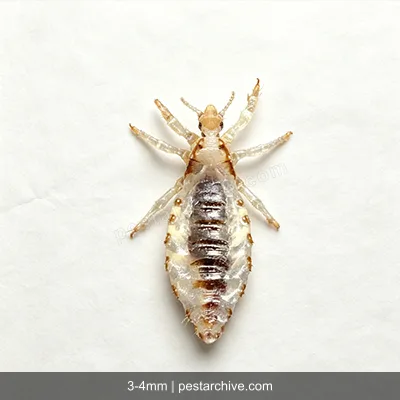
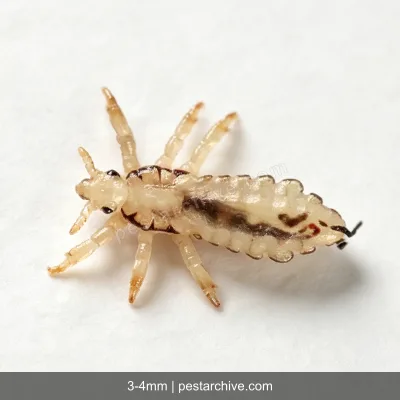
White specks in the hair — is it lice or dandruff? Misidentifying nits as dandruff delays treatment and allows the infestation to grow. Misidentifying dandruff as nits leads to unnecessary pediculicide exposure and anxiety. Here is how to tell them apart with certainty.
### The Six Key Differences
- Attachment to the hair shaft:
- Nits: Firmly cemented to the hair shaft with a glue-like substance. You must pinch and slide them along the hair to remove them — they do not fall off.
- Dandruff: Loose flakes that fall off the hair easily when flicked, shaken, or brushed. They sit on the scalp surface, not on the hair shaft.
- Location on the hair:
- Nits: Found within 1 cm of the scalp (where warmth incubates the eggs). After hatching, the empty nit shell remains glued further down the hair as it grows, appearing farther from the scalp.
- Dandruff: Found anywhere — scalp surface, mid-hair, tips. No consistent pattern.
- Shape:
- Nits: Oval/teardrop-shaped, symmetrical, uniform in size (about 0.8 mm × 0.3 mm).
- Dandruff: Irregular, flat, flake-shaped — like tiny skin peels.
- Color:
- Live nits (with embryo inside): Tan, brown, or caramel-colored — camouflaged against hair.
- Hatched empty nits: White or clear shells.
- Dandruff: White or yellowish flakes.
- Texture under fingernails:
- Nits: Hard, smooth — feel like a tiny grain of sand. Cannot be crushed between fingernails; they slide off the nail.
- Dandruff: Soft, powdery — easily crushed and flakes between fingernails.
- Movement:
- Nits: Completely stationary — they do not move at all.
- Live lice: Tiny insects that crawl quickly on the scalp. If you see something moving, it is a live louse, not a nit or dandruff.
### Quick Decision Tree
- Can you flick the speck off easily? → Dandruff
- Is it firmly glued to the hair shaft? → Nit
- Is it moving? → Live louse (start treatment immediately)
- Is it an irregular flake? → Dandruff
- Is it a symmetrical oval? → Nit
### Why Accurate Identification Matters
If it is lice and you think it is dandruff: The infestation grows for weeks. Each louse lays 6–10 eggs per day. Within 3 weeks, you may have 100+ lice and intense itching. Treatment becomes more difficult with larger populations.
If it is dandruff and you think it is lice: You apply pediculicide unnecessarily — exposing yourself or your child to insecticide when no parasites exist. You may also experience social stigma and anxiety from a misdiagnosis.
### What to Do After Identification
Confirmed lice: See our Head Lice Complete Treatment Guide for the full 5-step protocol.
Confirmed dandruff: Use an anti-dandruff shampoo containing zinc pyrithione, selenium sulfide, or ketoconazole. If dandruff is severe or persistent, consult a dermatologist — chronic dandruff may be seborrheic dermatitis requiring prescription treatment.
Uncertain: Visit a school nurse, pharmacist, or dermatologist for professional identification. Many school nurses are experienced at nit identification and can confirm or rule out lice in minutes.