How to Get Rid of Head Lice: Complete Treatment Guide
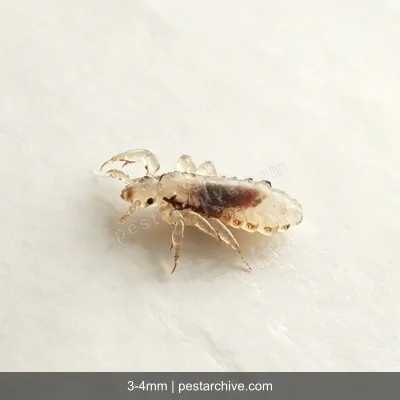
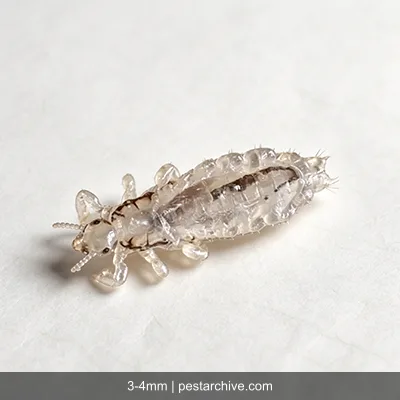
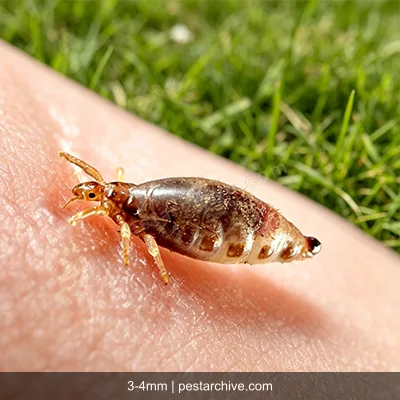
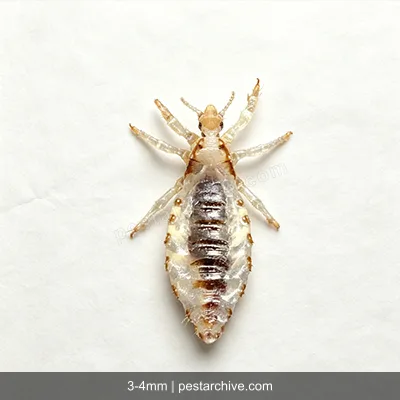
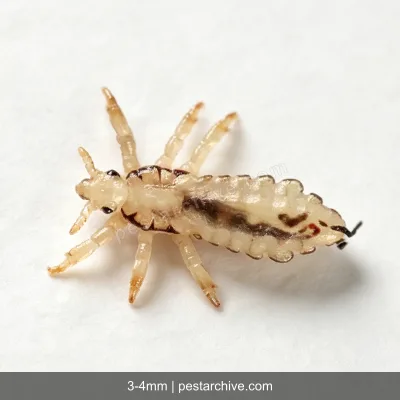
Head lice (*Pediculus humanus capitis*) are tiny (2–3 mm), wingless parasitic insects that live exclusively on human scalp hair and feed on blood. They do not jump or fly — they crawl from head to head during direct hair contact. They are not a sign of poor hygiene; in fact, lice prefer clean hair because it is easier to grip.
A single louse lays 6–10 eggs (nits) per day, glued to hair shafts near the scalp. Nits hatch in 7–10 days, and nymphs reach adulthood in 9–12 days. An untreated infestation can reach hundreds of lice within 3–4 weeks.
### Step 1: Confirm the Infestation
- Live lice — tiny, gray-white insects crawling on the scalp or hair. Easiest to find behind the ears and at the nape of the neck.
- Nits — oval, tan/brown eggs firmly glued to hair shafts within 1 cm of the scalp. Unlike dandruff, nits cannot be flicked off — they must be pulled along the hair shaft.
- Itching — caused by allergic reaction to louse saliva. Not everyone with lice itches — 30–50% of infested people are asymptomatic.
### Step 2: Apply Pediculicide Treatment
First-line treatment (FDA-approved):
- Permethrin 1% lotion (Nix) — apply to clean, towel-dried hair, leave 10 minutes, rinse. Kills live lice but does not kill all nits. Retreat in 7–9 days to kill newly hatched nymphs.
- Pyrethrin shampoo (Rid, A-200) — apply to dry hair, leave 10 minutes, rinse. Same limitations as permethrin — does not kill all nits. Retreat in 7–9 days.
Prescription treatments (for resistant lice):
- Malathion 0.5% lotion (Ovide) — apply to dry hair, leave 8–12 hours (overnight), rinse. Kills both lice and nits. Flammable — do not use hair dryers or curling irons while product is on hair.
- Spinosad 0.9% suspension (Natroba) — apply to dry hair, leave 10 minutes, rinse. Kills lice and most nits. No retreatment needed in most cases.
- Ivermectin 0.5% lotion (Sklice) — apply to dry hair, leave 10 minutes, rinse. Single application kills lice; no retreatment needed.
### Step 3: Nit Removal (Combing)
Manual nit removal is essential because no pediculicide kills 100% of nits:
- Use a fine-toothed nit comb (metal combs work best — plastic tines flex and miss nits).
- Comb hair section by section under bright light.
- Wipe the comb on a paper towel between passes to remove caught nits and lice.
- Repeat daily for 3–5 days.
- Check for remaining nits every 2–3 days for 2 weeks after initial treatment.
### Step 4: Environmental Cleaning (Limited Role)
Head lice cannot survive off the human scalp for more than 24–48 hours. Nits cannot hatch at room temperature away from scalp warmth. Extensive home cleaning is unnecessary, but basic measures are worthwhile:
- Wash bedding, hats, and scarves in hot water (≥130°F / 54°C) and dry on high heat.
- Items that cannot be washed — seal in plastic bags for 2 weeks (lice and nits die without a human host).
- Vacuum carpets and furniture where the infested person's head has rested.
- Do NOT use insecticide sprays on furniture or bedding — they are ineffective and unnecessary.
### Step 5: Prevent Reinfestation
- Check all household members for lice — treat anyone who has live lice or nits within 1 cm of the scalp.
- Teach children to avoid head-to-head contact during play and group photos.
- Do not share hats, combs, brushes, hair ties, or pillows.
- Long hair can be tied back in buns or braids to reduce contact surface.
- Weekly "lice checks" during school outbreak periods catch new infestations early.