Can dinotefuran-containing household insecticide spray kill earwigs?
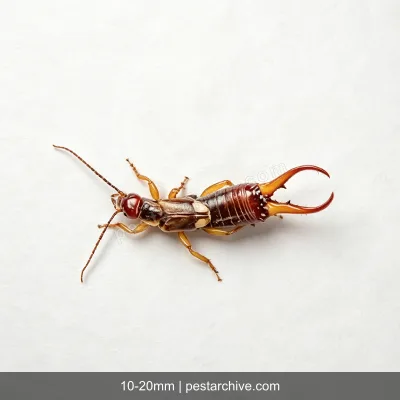
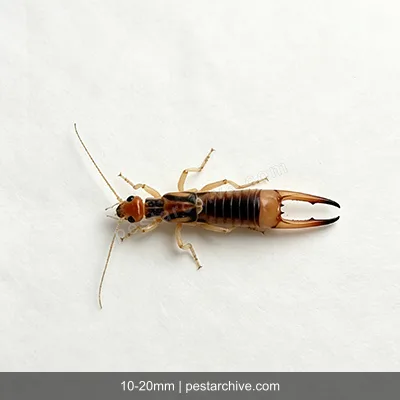
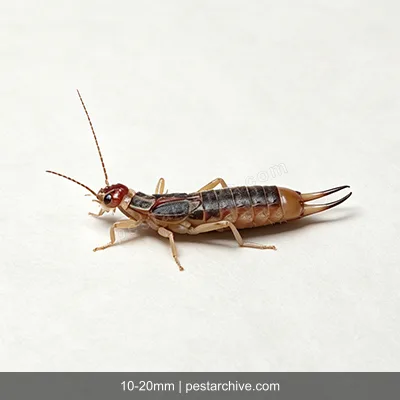
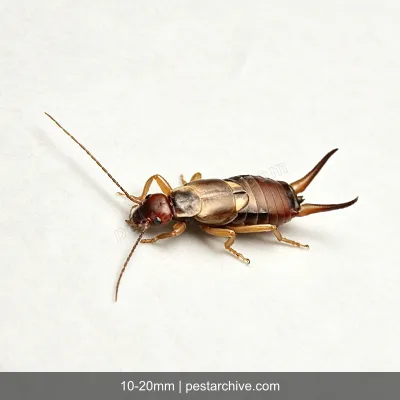
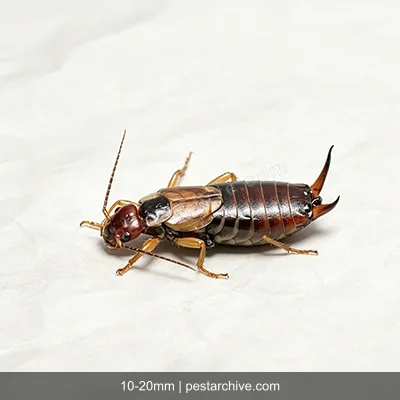
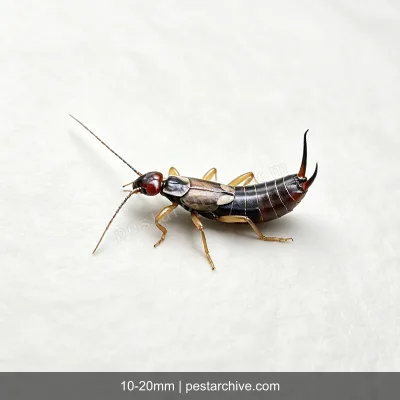
Can dinotefuran-containing household insecticide spray kill earwigs? Dinotefuran spray can kill earwigs effectively. Earwigs are insects, and dinotefuran has broad-spectrum contact action — it penetrates their body wall. Earwigs typically die within 3-8 hours of contact.
Application method
Earwigs are nocturnal, hiding in damp, dark crevices during the day and emerging at night to feed. Spray timing and locations should target this behavior:
- Spray timing — best in the evening or at dusk, when earwigs are about to emerge, ensuring they contact the fresh spray.
- Key areas —
- Indoor damp corners and around floor drains.
- Under kitchen sinks and dishwashers.
- Baseboard crevices in living rooms and bedrooms.
- Under flower pots and balcony corners.
- Outdoor door frames, under window sills.
- Yard brick gaps, under stones, near compost.
- Spraying method — apply to surfaces where earwigs crawl. Once dry, the insecticide forms an invisible film. When earwigs emerge at night, their abdomens and legs contact the film, and the insecticide penetrates the body, disrupting the nervous system, causing death within hours.
Residual effect Dinotefuran film on dry indoor surfaces maintains effective contact-killing action for 2-4 weeks. Outdoors or in damp areas, effectiveness is affected by rain and moisture; reapply after rain.
Combine with other control measures
Spraying alone is insufficient; also:
- Reduce hiding places — remove leaf piles, brick piles, and rotting wood from the yard.
- Reduce indoor humidity — earwigs prefer dampness; use a dehumidifier or improve ventilation.
- Seal entry points — check door and window gaps, air conditioner pipe openings, and around drainpipes; seal with caulk.