How to maintain the yard to prevent earwigs?
How to maintain the yard to prevent earwigs?
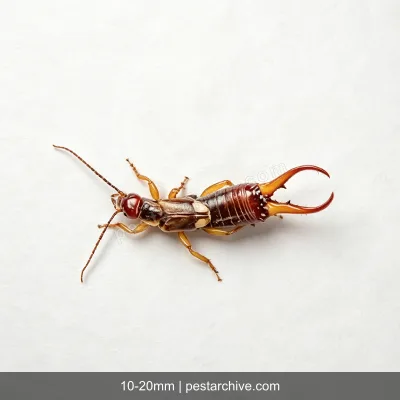
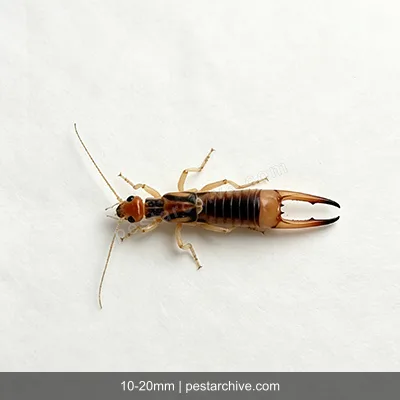
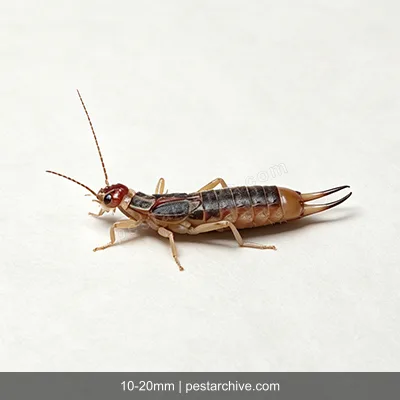
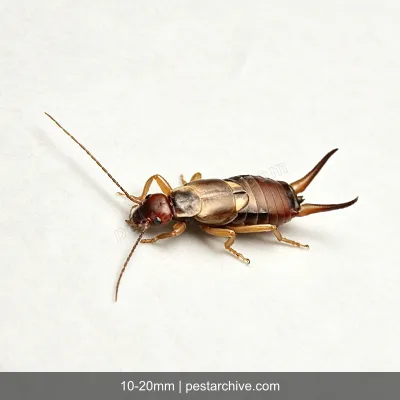
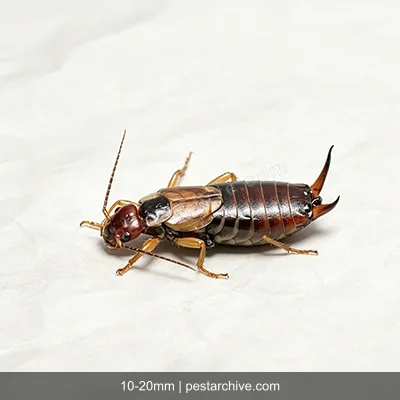
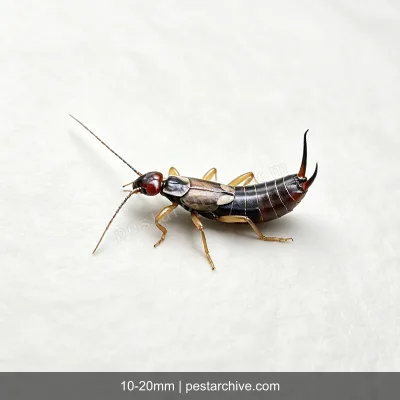
Earwigs hide outdoors during the day and crawl indoors at night. They are most active in spring and summer (April-October), so yard maintenance is especially important during this period. If there are many earwigs in the yard, it is only a matter of time before they enter the house. Yard management is a critical part of prevention.
Where do earwigs hide in the yard?
- Under stone cracks and brick piles — they prefer hiding in stone crevices during the day.
- Under bark and in rotting wood — they nest under decaying bark.
- In leaf piles and weed patches — damp and sheltered.
- Under flower pots and pot trays — standing water after watering attracts them.
- Near compost piles — rich in humus, a food source and hiding place.
Yard maintenance points
- Organize clutter
Do not leave brick piles or empty flower pots directly on the ground. Stack planks, tiles, PVC pipes, and other materials off the ground, not in direct contact with damp surfaces.
- Remove rotting material
Remove rotting wood, dead branches, and fallen leaves promptly. If there is a compost pile, move it as far from the house as possible.
- Mow the lawn
Mow the lawn regularly; do not leave grass too long. Long grass retains moisture — an environment earwigs prefer.
- Manage plants
Do not plant dense vegetation near foundations. Do not let vines cover walls completely; keep wall bases ventilated and dry.
Chemical treatment
Spray dinotefuran-containing household insecticide along yard walls and doorways. Earwigs emerging at night that crawl over the film will die. Reapply after rain. Reducing earwig density in the yard reduces the chance of them entering the house.