Why do cabbage worms appear on rooftop vegetables?
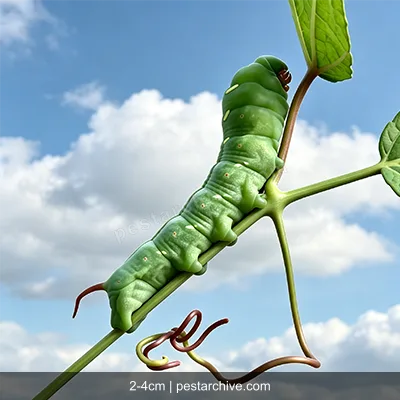
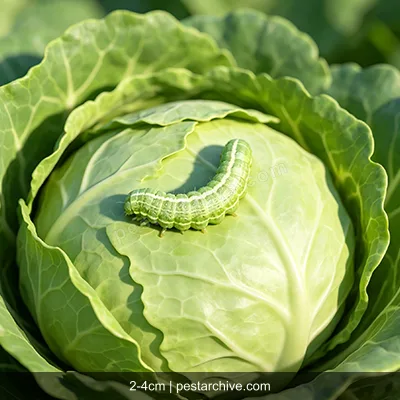
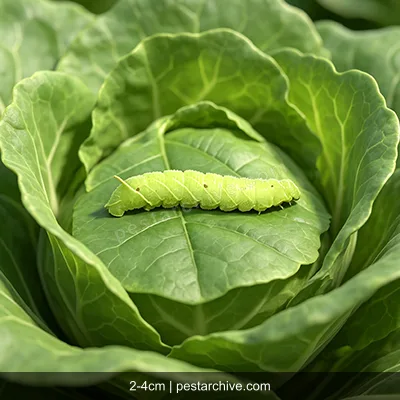
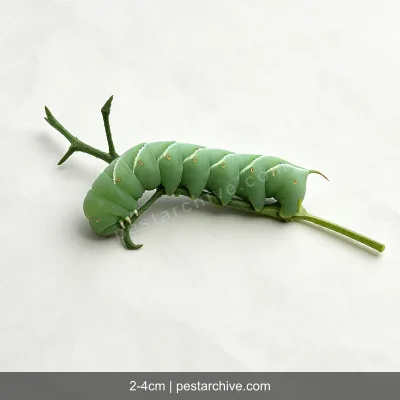
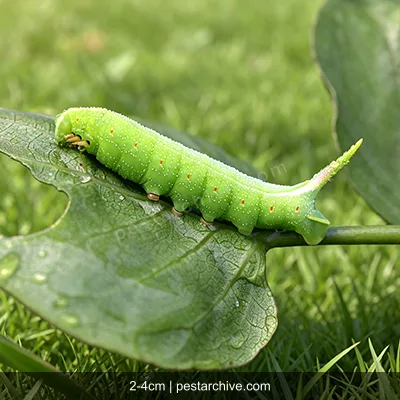
Why do cabbage worms appear on rooftop vegetables?
Many people find caterpillars on rooftop vegetables and wonder — how did they get up so high? There are actually several ways:
Butterflies and moths can fly up
- Cabbage white butterflies can fly to the height of multi-story buildings; rooftops are not a problem for them.
- They lay pale yellow eggs on the undersides of leaves.
- Moths (like cutworms) are active at night and also fly to rooftops to lay eggs.
- Eggs hatch in 3-7 days (faster at higher temperatures).
Wind can blow eggs up
- Wind is stronger on rooftops; eggs may be blown in from elsewhere.
- Especially if there are farms or green spaces nearby.
- Newly hatched larvae carried by wind may also land on your vegetables.
Seedlings may carry pests
- Seedlings purchased from the market may already have eggs or small insects.
- They may be too small or still in egg form when bought, not visible to the naked eye.
- Only noticed a few days later when they hatch.
How to prevent?
- Install insect netting — set up fine-mesh netting (mesh ≤1 mm) over vegetable pots. This is the most effective rooftop prevention method.
- Inspect purchased seedlings — check leaf undersides for eggs or small insects.
- Regular preventive spraying — spray dinotefuran-containing insecticide weekly as prevention.
- Quarantine new plants — keep new seedlings isolated for a few days before placing them with others.