How to control cabbage worms?
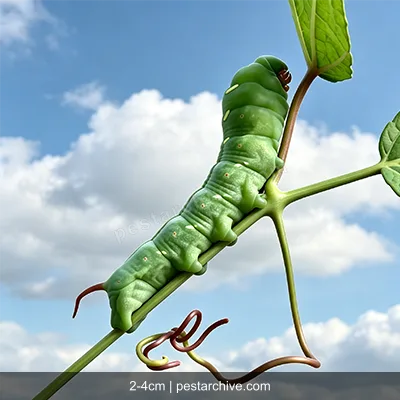
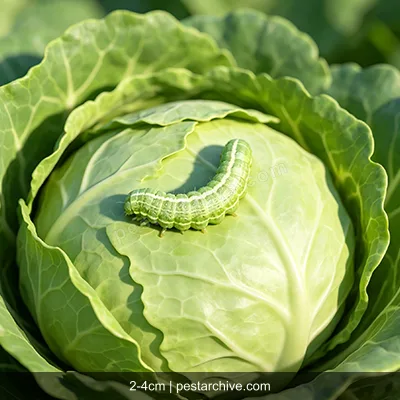
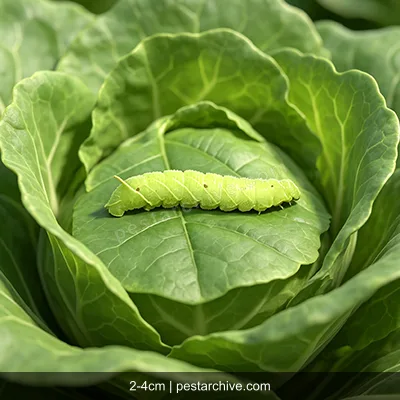
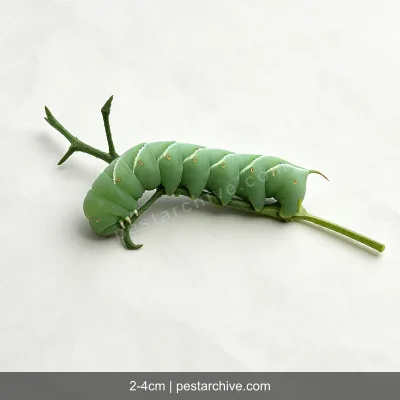
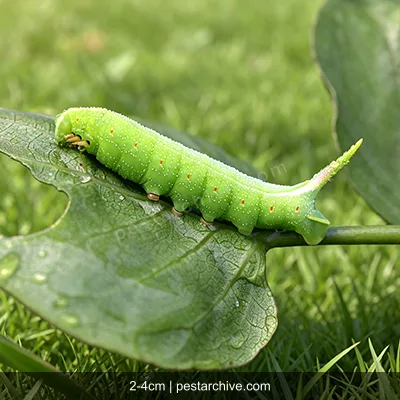
How to control cabbage worms?
Cabbage worms are larvae of butterflies or moths, commonly including cabbage white butterfly larvae and cutworm larvae. Control methods depend on the scale of planting:
Manual removal (most effective for small scale)
- Check leaves morning and evening, especially the growing tips and undersides — spring and summer are peak seasons, requiring more frequent checks.
- Remove caterpillars by hand or with chopsticks.
- Check leaf undersides for eggs (pale yellow granules) and scrape them off — eggs hatch in 3-7 days, so treat promptly.
- Areas with heavy frass are where caterpillars are concentrated — focus inspection there (frass is black, sand-like particles).
Chemical control (dinotefuran spray)
- When numbers are high, spray insecticide.
- Focus on growing tips and leaf undersides — where caterpillars hide.
- Spray more heavily where frass is dense.
- Dinotefuran has both stomach and contact action — larvae die from eating treated leaves or contacting the spray.
- Wait the recommended pre-harvest interval before harvesting (7-14 days for dinotefuran; check product label).
Physical control
- Insect netting — cover entire pots with netting to completely prevent butterflies from laying eggs.
- Yellow sticky traps — hang near pots to trap adults (butterflies and moths).
- Light traps — use bug zappers on the balcony at night to reduce adult moth populations.
Natural enemies
- If conditions allow, introduce natural enemies like ladybugs and green lacewings.
- Ladybugs eat aphids and also consume cabbage worm eggs and small larvae.
- However, balcony environments are limited; biological control is more suitable for greenhouses and outdoor gardens.