How to Defend Against Horse Flies Around Your Home
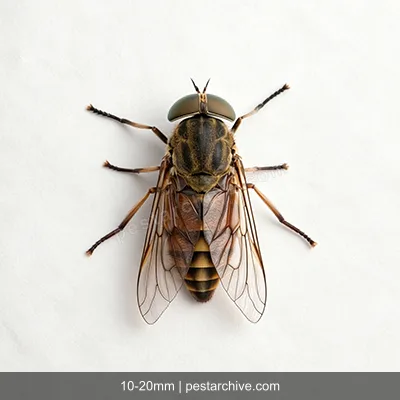
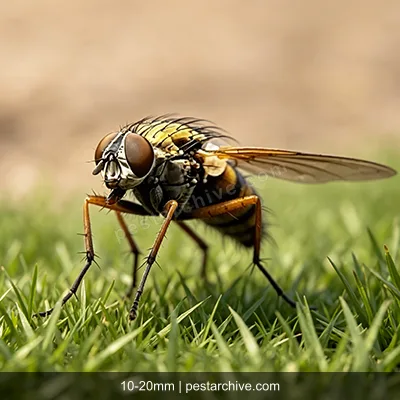
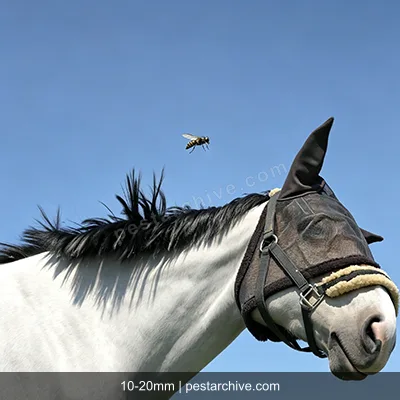
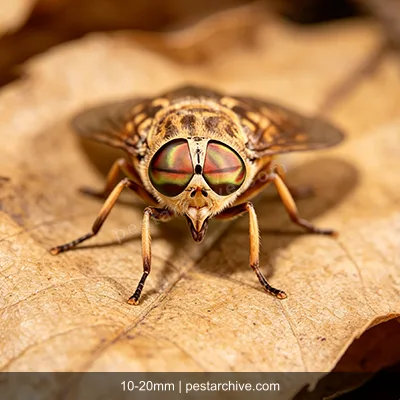
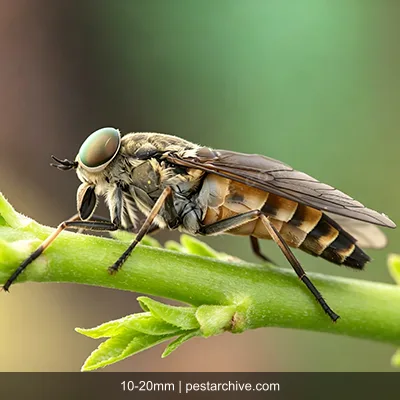
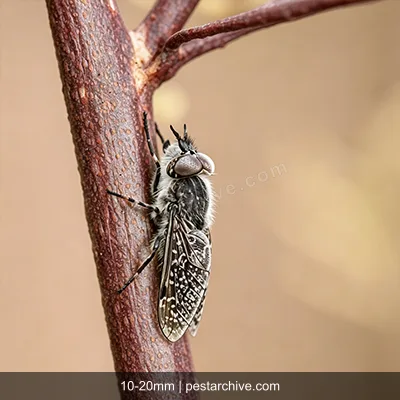
Real scene: You're hanging laundry or trimming plants in the yard on a summer day. A large, stocky fly buzzes around you with a loud drone. It lands on your calf and bites. It hurts and itches, and the spot swells up fast. That's not a regular fly. That's a horse fly. And there's likely a puddle or damp grass nearby where it came from.
Quick answer: Defending against horse flies takes two strategies combined: yard management to reduce their habitat, and personal protection to reduce bites. Pesticides are only a local supplement in the yard. They can't replace environmental cleanup and protective clothing.
Yard management
Horse fly larvae live in damp soil, at the edges of puddles, and in rotting organic matter. Reducing these conditions in your yard means fewer horse flies:
- Trim weeds around the house regularly. Keep grass height under 5 cm. Adult horse flies like to rest in taller grass.
- Fill in puddles and poorly drained spots in the yard. Larvae need moisture. Dry ground kills them.
- Prune dense shrubs to let sunlight reach the ground. Well-ventilated, sun-exposed areas aren't good for horse fly larvae.
- Clear away leaf piles and rotting plant debris. These are rich organic environments with high moisture. They're ideal for larvae.
- If you compost, make sure the bin has a lid and is placed away from doors and windows.
Personal physical protection (when outdoors)
If you live near a pond, stream, wetland, or pasture, yard management alone won't eliminate horse flies completely. Personal protection becomes especially important:
- Wear light-colored long sleeves and pants: Horse flies are strongly attracted to dark colors, especially blue and black. Wear white, beige, or light gray long sleeves and pants. Tuck pant legs into your socks.
- Wear a wide-brimmed hat: Horse flies target the head and neck. A hat with a light scarf draped down to cover the back of your neck and ears offers even better protection.
- Avoid spending long periods outdoors during peak hours: Horse flies are most active on sunny days, especially from late morning through afternoon. Overcast, windy days and evening hours see much less activity.
- Use an electric fly swatter: Keep one in the yard. Horse flies are large and loud, making them easier to spot and hit than mosquitoes.
House protection
- Install screens on doors and windows. Horse flies may be large, but they can still follow people indoors.
- Hang fly curtains or magnetic screen curtains on doors to reduce the chance of horse flies following you in.
- Switch exterior lights to warm yellow bulbs. Horse flies, like many flying insects, are more attracted to white and blue light.
Pesticides as a supplement
Use pesticides only locally in the yard, as a supplement to environmental and physical protection. Spray a residual household insecticide spray on vertical surfaces where horse flies often rest, like fences, exterior walls, and window frames. Let it dry naturally. The dried film is effective against horse flies that land on it, but rain shortens its effectiveness. Reapply after rain. Read the product label carefully and avoid spraying flowering plants to protect bees and other pollinators.
When to see a doctor
Seek medical attention if a horse fly bite causes swelling that spreads beyond 5 cm, if you develop a fever or swollen lymph nodes, or if the wound starts oozing pus, which means a secondary bacterial infection. Horse flies aren't major disease vectors, but their bites create larger wounds that can easily become infected. In rare cases, people may have an allergic reaction to horse fly saliva, leading to hives or difficulty breathing. This requires emergency care.
Common mistakes
- Mistake 1: Horse flies are like regular flies and don't bite. Fact: A horse fly's mouthparts are like tiny blades that cut through skin to feed on blood. Their bites are very painful.
- Mistake 2: Horse flies don't live in urban residential areas. Fact: If there's a pond, stream, wetland, or large green space nearby, there can be horse flies. They're not limited to rural areas or farms.
- Mistake 3: One spray application solves the problem. Fact: Horse flies can travel long distances. Even if you treat your yard, more can fly in from hundreds of meters away. Ongoing environmental management matters more than a one-time spray.