What to do if garbage bins attract midges?
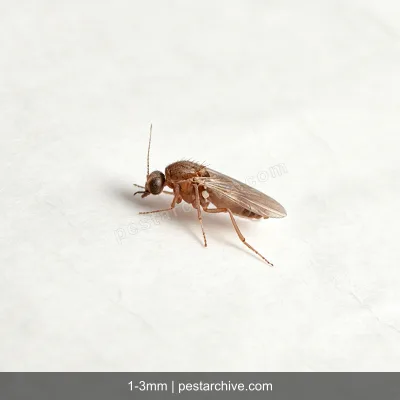
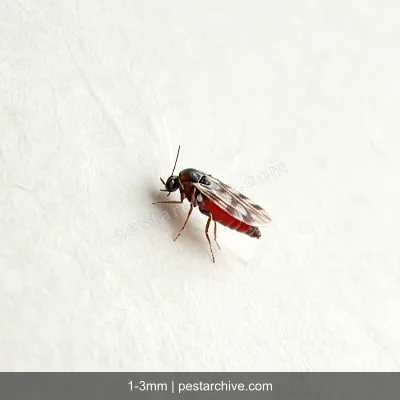
What to do if garbage bins attract midges?
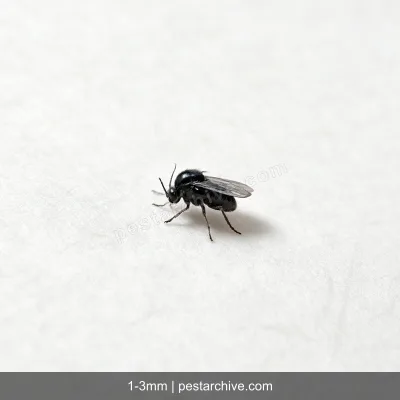
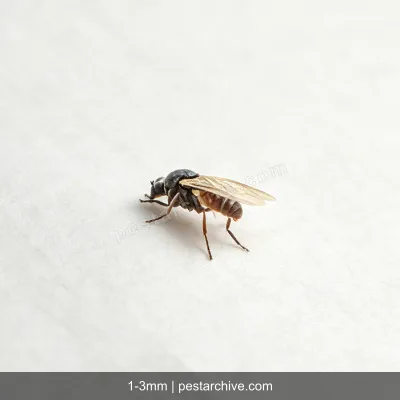
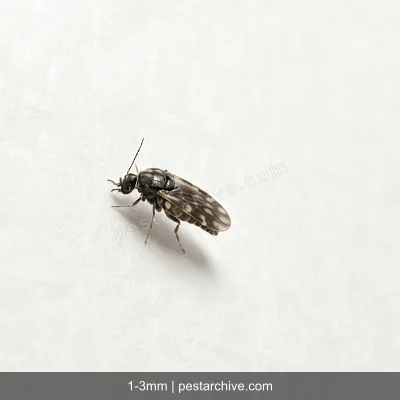
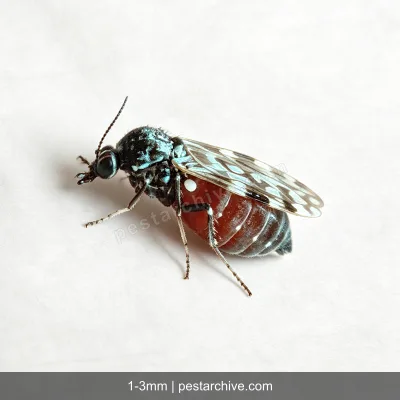
Garbage bins are an important indoor breeding source for midges, especially kitchen bins with food waste. The moisture and organic matter from fruit peels, vegetable leaves, and leftovers create an ideal breeding environment.
Steps to control midges in garbage bins
- Empty daily — dispose of kitchen waste at least once a day; do not leave it overnight. Tie garbage bags tightly and take them to outdoor bins promptly.
- Drain liquids — use a strainer to drain excess water from wet waste (fruit peels, vegetable leaves, leftovers) before putting it in the bin to reduce standing water at the bottom.
- Regular scrubbing — thoroughly scrub the inside and outside of garbage bins weekly with a brush and dish soap, especially the bottom corners, to remove organic residues.
- Chemical control — after cleaning and drying, spray dinotefuran-containing household insecticide evenly on the inner walls and bottom of the bin. Once dry, it forms a film that kills midge larvae and adults upon contact.
- Keep covered — use bins with lids to reduce odor emission and midge contact.
For severe infestations
If the bin already has large numbers of midges:
- Empty all garbage, tie the bag tightly, and discard immediately.
- Scrub the bin thoroughly with hot water and dish soap, especially where organic residue accumulates in corners.
- Sun-dry before spraying.
- Establish the habit of disposing of kitchen waste daily.
- Place a layer of newspaper or paper towels at the bottom of the bin to absorb excess moisture and reduce the egg-laying environment.
Following these steps will prevent midges from breeding in garbage bins at the source.