How to Get Rid of Midges in Your Backyard
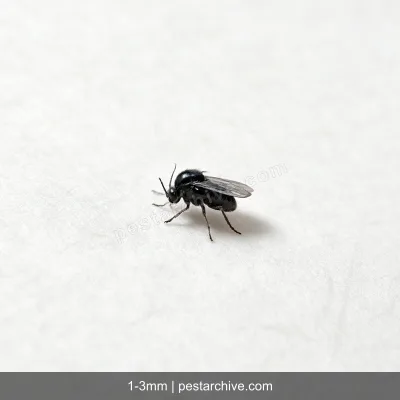
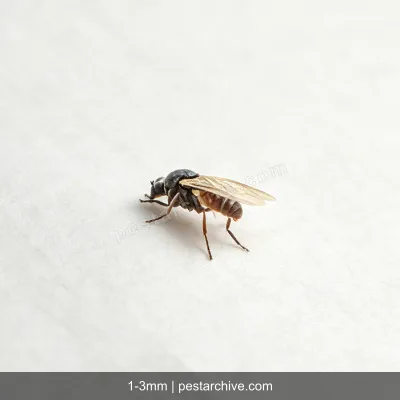
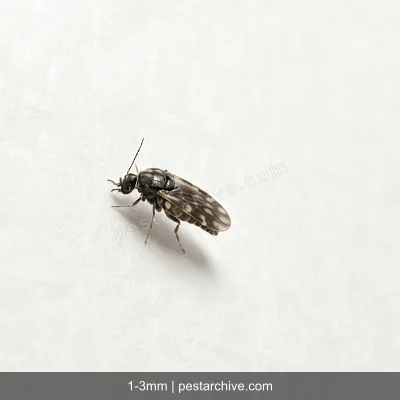
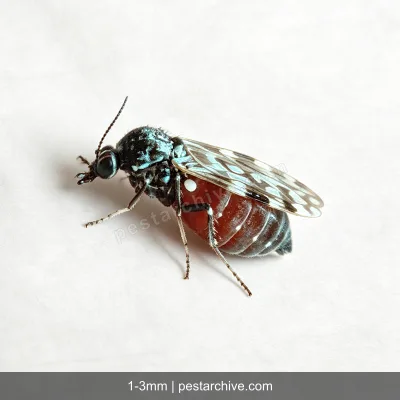
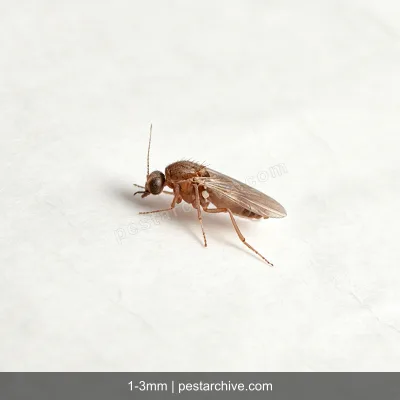
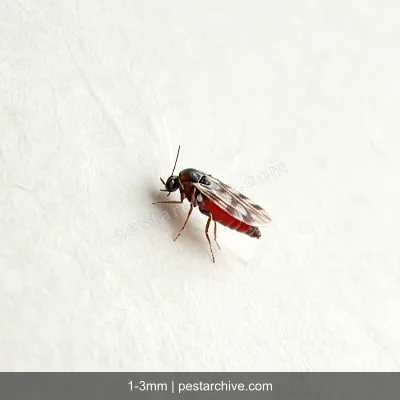
Where Do Biting Midges Breed?
Biting midge larvae need damp conditions with organic matter to develop. These are the spots in your home most likely to become breeding sites:
Most common breeding locations
- Flower pot saucer water — Midges lay eggs in still water mixed with decaying plant debris. Saucer water is the most common indoor breeding source.
- Drains and floor drains — The sludge, hair, and grease mixed with water clinging to pipe walls create an ideal larval nursery.
- Bottom of trash cans — Organic liquid from kitchen waste seeps out and pools at the bottom, attracting midges to lay eggs.
- Bathroom floor drains and sink drains — Damp, warm, and full of gunk buildup. Easy breeding ground.
- Balcony and windowsill standing water — AC condensate drip, rainwater, or watering overflow that never dries out.
- Decaying plant piles — Fallen leaves and wilted flowers that pile up in corners and rot create breeding habitat.
Biting midge breeding characteristics
Biting midge larvae look like tiny white or pale yellow maggots, only 3-5 mm long. They live in the water film or sludge, feeding on organic debris. It takes just 7-14 days to go from egg to adult (the warmer it is, the faster they develop). That's why once conditions are right, midge populations can explode rapidly.
Key to prevention
To stop midges from breeding, the essentials are: eliminate the standing water listed above, keep things dry, and clean drains regularly. Destroy their breeding environment.