Ants on Kitchen Counter? Physical Methods for Homes with Cats and Dogs
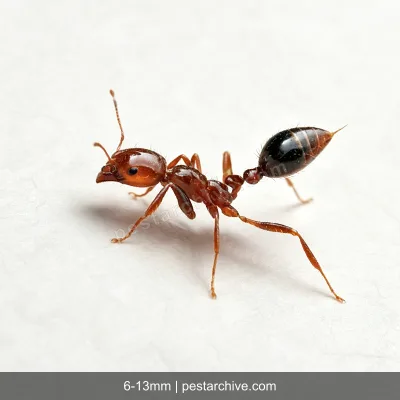
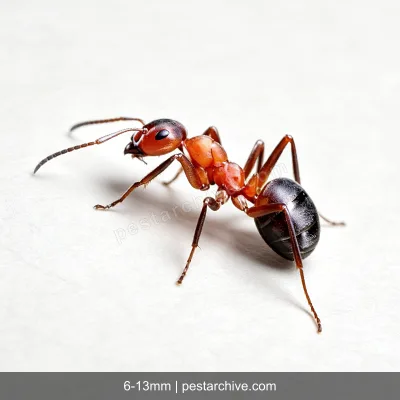
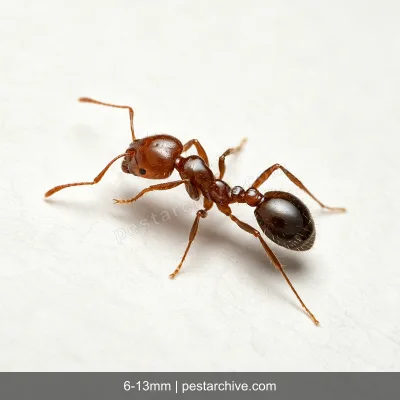
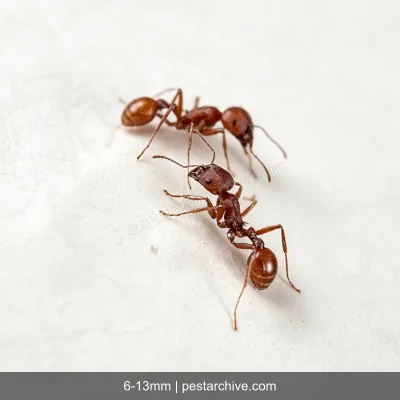
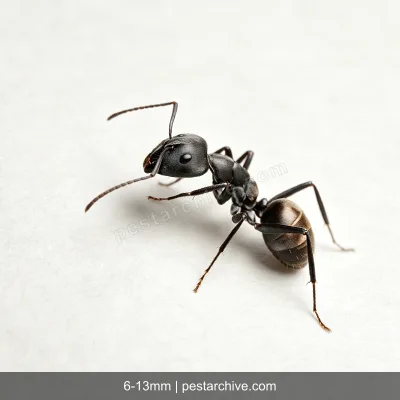
What's the Ant Situation on Your Kitchen Counter? 2 Scenarios
A few ants wandering around: These are scouts. Ant colonies send out scouts to find food – once they find it, they head back to bring the whole crew. If you see just a few, this is your best moment to act – remove the food source and wipe the scent trail before they get back to the nest.
Ants in a line: That's an ant trail – they're marching along the same route. The scout made it back and reported the food location. Now you need to remove the food, break the trail, and erase the scent markers. Ants navigate by smell – stepping on them doesn't help because the ones behind just follow the chemical trail.
If you have cats or dogs: They jump on counters and lick surfaces. Any insecticide – even "pet-safe" sprays – is unsafe on kitchen counters. Cats are especially sensitive to certain chemicals. This guide uses physical methods only – no chemicals at all.
What Tools Do You Need to Clear Counter Ants?
- White vinegar or plain vinegar – to wipe counters and erase ant scent trails
- Dish soap + warm water – for cleaning counters and surfaces ants have crossed
- Paper towels or rags
- Silicone sealant (clear, neutral cure) – to seal gaps between counter and wall
- Airtight storage containers/jars – for all opened food
- Pet food container with seal ring – if you keep pet food in the kitchen
- Flashlight – to track where ants are coming from
- A bit of baby powder or cornstarch – to observe ant paths
How to Clear Kitchen Counter Ants – Physical Blocking Steps
Step 1: Find Where They're Coming From and Remove the Food Source (about 15 minutes)
Don't rush to squash ants on the counter. Get down low and follow one ant back the way it came. Ants typically enter kitchens through:
- Gaps where the counter meets the wall
- Window sill cracks
- Edges of electrical outlet plates
- Cabinet door hinges
- Gaps along baseboards
Once you've found the entry point, wipe up all ants along the trail with a paper towel – but don't wipe the scent trail yet (that's useful for the next step).
At the same time, clear everything on the counter that's attracting ants: sugar bowls, honey jars, jam jars, fruit bowls, pet food bowls. Transfer all opened food into airtight containers. If you leave dry pet food out in the open, ants will swarm – switch to a sealed container.
Step 2: Erase the Ant Scent Trail (about 10 minutes)
Ants release pheromones from their abdomens as they walk – other ants follow this chemical trail. Squashing ants doesn't break the trail. Pour undiluted white vinegar onto a paper towel and wipe the entire route the ants used – from the counter, down the wall, across the floor, all the way to the entry gap. The vinegar's acidity neutralizes the pheromones. Follow with a damp cloth and dry it off.
If you don't like the vinegar smell, you can use hot soapy water first (dish soap also breaks down pheromones), then rinse. But vinegar works better.
Step 3: Seal the Entry Gaps (about 15 minutes)
Once the counter and wall are dry, use silicone sealant to seal the ant entry points:
- The seam where counter meets wall
- Window sill to window frame gaps
- Gaps around outlet plates (turn off power first – only seal the outer edge)
- Gaps along the top of baseboards
Use clear sealant so it's not an eyesore. Let it cure fully (usually 2-4 hours). Keep pets away while it cures.
Pet safety note: Sealant releases a slight vinegar-like odor while curing but is completely non-toxic and odorless once cured. Keep cats/dogs in another room during application. After curing, wipe the surface with a damp rag to remove any surface residue.
Step 4: Set Up Physical Barriers on the Counter (ongoing)
If ants are entering through baseboards or floor gaps (not counter height), they have to climb up to the counter. You can set up physical barriers at counter edges:
- Smear a ring of petroleum jelly around the bottom of each counter leg – ants can't cross the slick surface. But pets might lick it, so only use this where pets can't reach
- Better option: Place pet food bowls on a tray with a thin layer of water – ants can't swim, so the water acts as a moat
Wait 2 weeks. If you don't see ants on the counter after 2 weeks, the physical methods worked. If ants are still marching after 2 weeks, there's an entry point you missed, or the nest is actually indoors (like inside a hollow wall behind the cabinets). In that case, ant numbers are usually much higher than what you see on the surface – contact a professional.
How Soon Will It Work? What Counts as Failure?
Same day: Remove the food source and wipe the trail with vinegar – no new ants will follow that old trail.
Week 1: If you sealed entry gaps, ants shouldn't find new paths to the counter. Spotting one lone scout is normal.
Week 2: If ants are still finding new routes to the counter after 2 weeks, there are entry points you haven't found. Sprinkle baby powder or cornstarch along the counter edge to track their footprints and find the new path.
When to call a pro: If ants aren't coming from outside but are nesting inside a wall, under the floor, or behind cabinets (you'll see many ants every day regardless of weather or sealing), you need a professional. If you have pets, board them or keep them away for 1-2 days while the pro works.
What NOT to Do When Clearing Counter Ants
- If you have pets: Don't spray any insecticide on counters. Pets jump up, get it on their paws, and ingest it when grooming.
- If you have pets: Don't sprinkle ant powder on counters or floors. Pets step in it or lick it directly.
- Don't use bleach on counters: Bleach doesn't break down ant scent trails, and it leaves residues that irritate pets' paws and tongues.
- Don't just squash ants without wiping the trail: Squashing 100 ants is less effective than wiping the entire trail with vinegar once. Ants don't "see" the path – they "smell" it.
- Don't spray around the litter box: Cats use it daily. If ants are around the litter box, gaps nearby are entry points. Seal the gaps, move the box away from walls, and place it in a shallow water tray.
Kitchen Ant Prevention Maintenance Plan
7-day: Wipe counters clean every night – no food scraps. Wash pet food bowls immediately after meals.
15-day: Check sealant at counter-wall joints for cracks. Wipe counter edges and window sills with vinegar water.
30-day: Check all airtight containers and pet food bins for seal integrity. Check baseboards and under-cabinet gaps for new cracks.
Kitchen Counter Ant Checklist
- Did you follow an ant back and find the entry gap?
- Did you wipe the entire ant trail (counter to entry point) with vinegar?
- Did you seal the counter-to-wall gap with silicone?
- Did you put all opened food and pet food in airtight containers?
- Do you wash pet food bowls right after each meal?
- Do you wipe counters clean every night?
- Is the litter box away from walls with a water tray underneath (if ants are an issue there)?
Kitchen Counter Ant FAQs
Ants come like clockwork every summer – any way to prevent them ahead of time?
Ant activity is triggered by temperature. In late spring (when temperatures stay above 68°F/20°C), check the gaps where you usually see ants and make sure the sealant is intact. The first wave of ants in spring is the easiest to stop – their numbers are smallest, and sealing entry points works best. Don't wait until summer when they're in full force.
What if ants still appear after wiping with vinegar?
Vinegar breaks the existing trail but doesn't stop ants from making a new one. If ants come back from the same direction soon after, that entry gap isn't sealed. They're smelling food inside, emerging from the gap, and laying a new trail. Sealing the gap is the real solution – vinegar is just a helper.
Is it safe if my dog or cat eats ants?
Most ants are non-toxic – a few won't hurt. But if there are a lot, repeated licking might cause stomach upset. More importantly, ants can carry bacteria. Don't let pets develop a habit of eating ants – the real fix is keeping ants out entirely.
* * * 4. Mosquitoes