How to eliminate ants from the home?
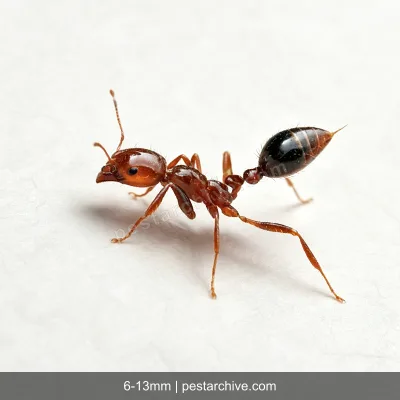
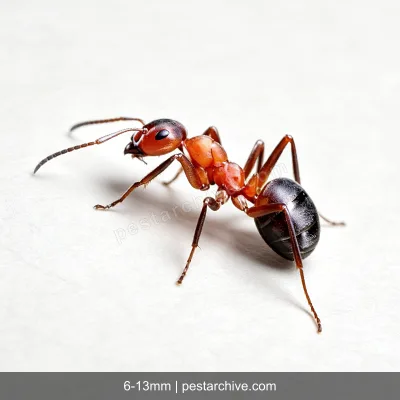
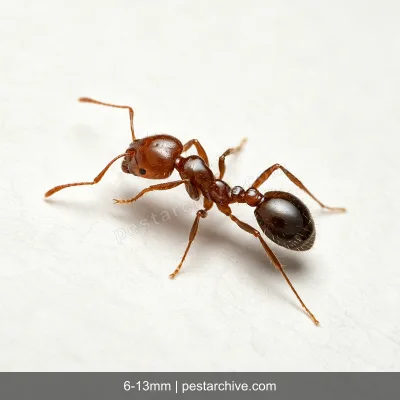
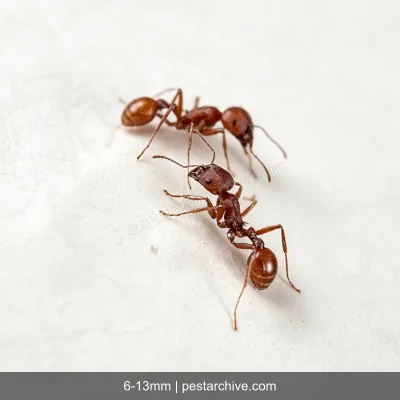
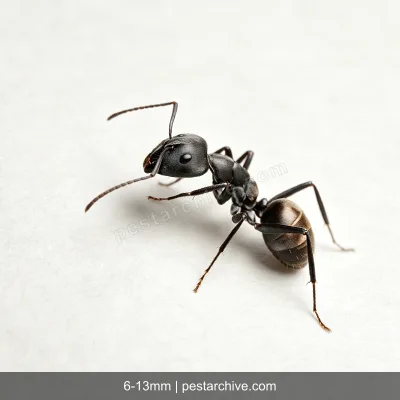
The short answer: Spraying visible ants only causes the colony to split and spread. The most effective method is baiting, workers carry the slow-acting poison back to the nest, feeding the queen and larvae, and the entire colony dies within 3–7 days. Combine baiting with sealing entry points and cleaning food sources.
- Confirm it’s ants
- Ants are 1–5 mm, usually black, brown, or reddish, with elbowed antennae and a narrow waist.
- They walk in trails, following these trails leads you to the nest.
- They are most active during warm months, especially in kitchens and bathrooms.
- Where do they come from?
- They enter through tiny cracks (<1 mm) around doors, windows, and pipes.
- They come from outdoor nests in soil, under paving stones, or in wall cavities.
- They are attracted to sugars, proteins, and grease, anything left out.
- Step 1: observe and find the trail
- Spend a day watching where ants appear and where they carry food.
- Worker ants forage up to 30 metres from the nest, follow the direction they go when carrying food back.
- Look for nest entrances: wall crevices, under baseboards, around electrical outlets, tile gaps, or under flower pots.
- Step 2: use bait (never spray first)
- Boric acid sugar bait, use a ready-made boric-acid ant bait (liquid or gel). Workers are drawn to the sweet toxicant, carry it back to the nest, and feed the queen and larvae, the slow action lets it spread through the colony before they die.
- Commercial ant gels, often contain fipronil or imidacloprid; similar principle, more convenient.
- Important: Do not place bait where you have sprayed insecticide, ants will avoid it. Spray only after baiting or on a separate route.
- Step 3: environmental cleaning
- Remove all food residues, especially sugary spills, grease, and meat scraps.
- Wipe counters and sweep floors daily.
- Seal gaps where ants enter, use caulk for cracks and weatherstripping for doors.
- Step 4: chemical barrier (after baiting)
- Once the colony is eliminated (no more ants for 2–3 days), you can apply dinotefuran spray along door/window frames and corners to form a protective barrier.
- This prevents new colonies from entering. The residual film lasts 2–4 weeks.
- Do not spray where bait was placed, it could contaminate it.
- Long-term prevention
- Store all sweet foods in airtight containers.
- Clean pet food bowls after meals.
- Fix moisture issues, ants need water too.
- Trim vegetation away from the house, ants use branches as bridges.
Common mistakes
- ❌ Spraying ants directly, it kills only the workers and may cause the colony to bud (split and create multiple nests).
- ❌ Not finding the nest, without locating the colony, you can’t solve the root problem.
- ❌ Using repellent sprays, they deter ants from taking bait.
Mini FAQ
Q: How long does bait take to work?
A: Usually 3–7 days. You may see more ants initially as they feed on the bait, that’s a good sign.
Q: Can I use honey as bait?
A: It attracts ants but doesn’t kill them, you need a toxicant mixed in.
Q: Why do ants return after baiting?
A: New colonies may move in, maintain the barrier spray and keep food sealed.
Your ant elimination list
- Follow the trail to find the nest.
- Place bait (boric acid sugar or commercial gel) on the trail.
- Do not spray for 3–7 days.
- After activity stops, seal entry gaps.
- Apply dinotefuran barrier spray around doors/windows.
- Keep kitchen clean and food sealed.