How to Get Rid of Mosquitoes Indoors?
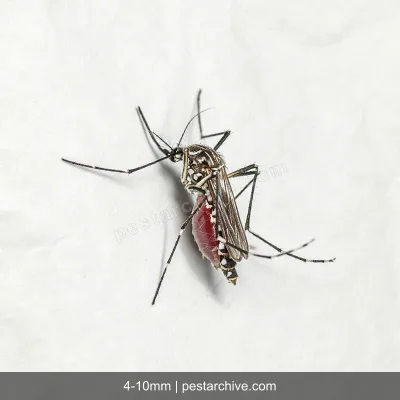
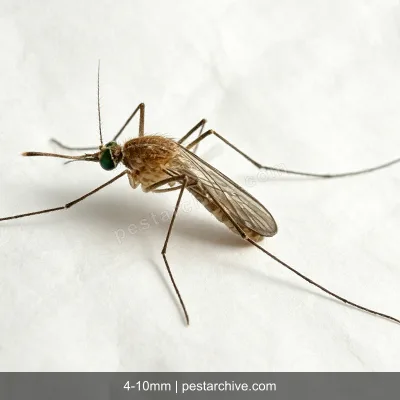
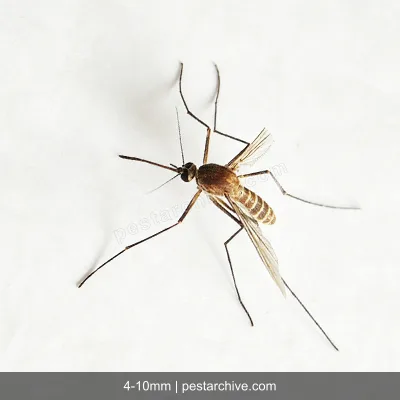
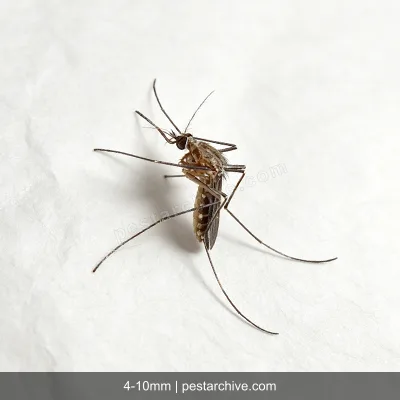
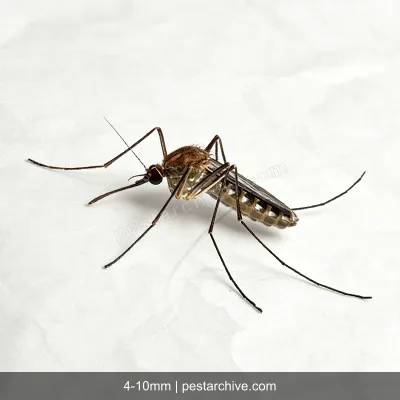
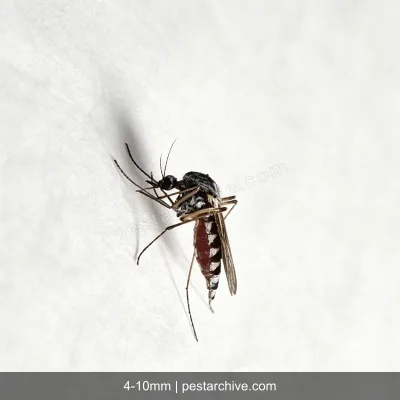
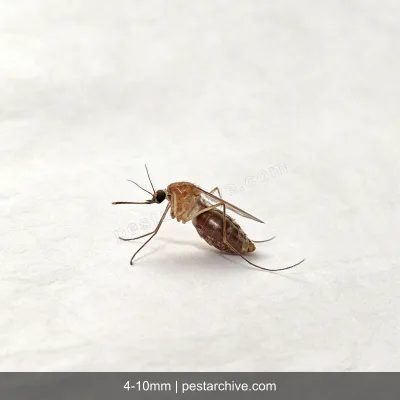
A single House Mosquito buzzing around your bedroom at 2 a.m. is enough to ruin a night's sleep — but the real concern goes beyond annoyance. House Mosquitoes (Culex pipiens and related species) transmit West Nile virus, and in many regions they are the primary nighttime biters that sneak indoors through the smallest gaps.
Getting them out is not just about swatting the one you can see. You need a layered strategy: keep them out, kill the ones inside, and eliminate the conditions that attract them.
### How Mosquitoes Get Inside
Before you can fight them, understand how they enter:
- Open doors and windows — the obvious route, especially during warm evenings.
- Damaged insect screens — even a 1 mm gap is enough. Check all screens for holes, loose frames, and gaps at the edges.
- Gaps around doors — weather stripping that has shrunk, cracked, or peeled away.
- Attic vents and crawl-space openings — often overlooked but frequently unprotected.
- Through attached garages — mosquitoes enter the garage when you park your car, then migrate indoors through the connecting door.
- On you or your pets — mosquitoes can hitch a ride on clothing or fur when you come inside.
### Immediate Action: Kill the Mosquitoes Already Inside
Method 1: EPA-Registered Aerosol Sprays
Use an aerosol insecticide labeled for indoor mosquito control — typically containing a pyrethroid (permethrin, deltamethrin, or prallethrin). Spray toward the ceiling and upper walls where mosquitoes rest during the day. Close the room for 15–20 minutes, then ventilate thoroughly before re-entering.
Method 2: Electric Mosquito Lamps
A UV mosquito lamp placed in a dark corner attracts and electrocutes mosquitoes overnight. It works best when all other lights in the room are off. Position it away from competing light sources and near the ceiling where mosquitoes tend to fly.
Method 3: The Hand-Swatter + Locate Method
If you only have one or two mosquitoes, turn off all lights except a single small lamp or flashlight. Mosquitoes will be drawn to that light, making them easy to spot and swat. Alternatively, shine a flashlight across the ceiling — mosquitoes resting on walls and ceilings will stand out against the beam.
Method 4: Vacuum Capture
Surprisingly effective: use a vacuum cleaner with a hose attachment to suck up resting mosquitoes from walls, ceilings, and behind curtains. Empty the canister or bag outdoors immediately — stunned mosquitoes may recover.
### Preventive Measures: Keep Them Out
- Repair and maintain all insect screens. Patch holes with screen-repair tape, replace warped frames, and ensure screens sit flush in their tracks.
- Install weather stripping around exterior doors — including the gap between the garage and the house.
- Use air conditioning. Mosquitoes are far less active in air-conditioned rooms. If you must open windows at night, ensure screens are intact.
- Close doors promptly. Do not leave exterior doors ajar during dusk and dawn — peak mosquito entry times.
- Seal attic and crawl-space vents with fine mesh screens if they are currently unprotected.
### Eliminate Indoor Breeding Sites
House Mosquitoes can breed indoors if standing water is available:
- Houseplant saucers — empty and refill every 2 days, or use sand instead of water in the saucer.
- Clogged drains — clean bathroom and kitchen drains regularly. Drain flies and mosquitoes both exploit stagnant water in pipes.
- Pet water bowls — change daily.
- Leaking pipes or condensation — repair leaks and wipe up pooled water under appliances.
- Forgotten containers — check basements, laundry rooms, and utility areas for buckets, trays, or trays holding water.
### Long-Term Strategy: Reduce the Outdoor Population
Mosquitoes inside your home almost always hatched outdoors within 100–200 meters. Reducing the outdoor population dramatically cuts indoor incursions:
- Eliminate all standing water in the yard — see our guide on preventing mosquito breeding outdoors.
- Trim vegetation near the house to reduce mosquito harborage.
- Use outdoor mosquito lamps or bait stations to reduce the local population.
- Apply permethrin barrier sprays to the perimeter of the house (professional application recommended).