Grain Mite Allergy: Symptoms and Prevention
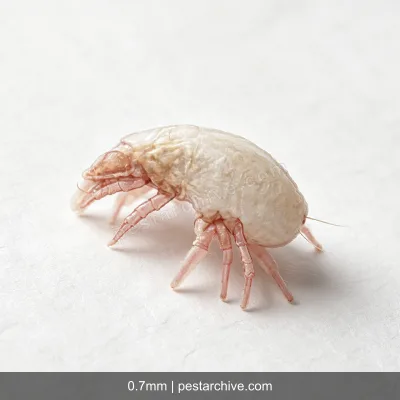
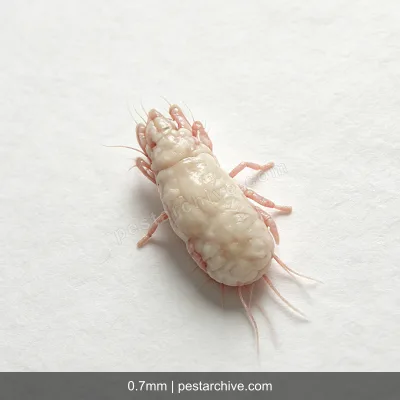
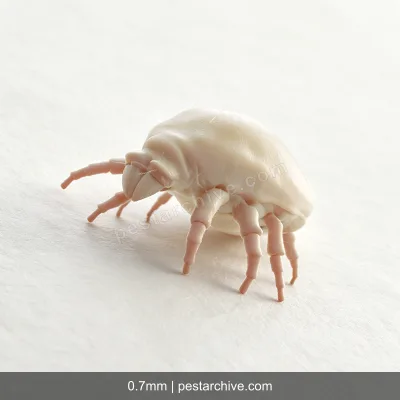
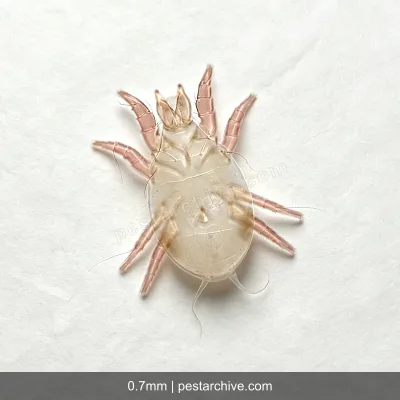
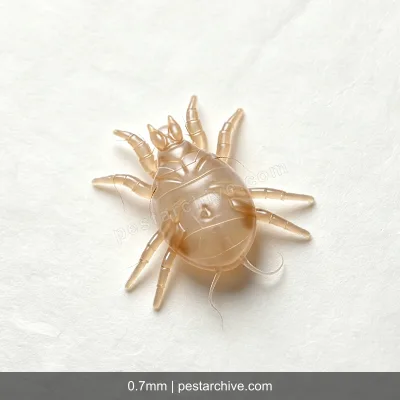
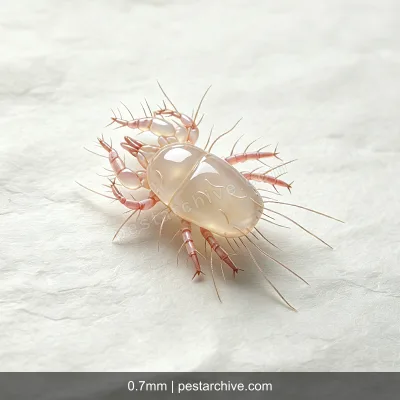
You might not see Grain Mites, but your body certainly knows when they are around. For people with sensitivities, exposure to Grain Mites — living or dead, along with their feces, shed skins, and webbing — can trigger a range of allergic reactions that are often misdiagnosed as food poisoning, dust allergy, or seasonal hay fever.
Understanding the connection between Grain Mites and allergy is the first step toward protecting yourself and your family.
### What Makes Grain Mites Allergenic?
Grain Mites produce at least 17 distinct allergenic proteins, primarily found in their bodies and excrement. When you handle infested flour, pour contaminated cereal, or even breathe near an infested pantry, these proteins become airborne or contact your skin directly.
The allergenic load increases dramatically as the infestation grows — a heavy Grain Mite population in a single bag of flour can produce more allergen particles than an entire dusty attic.
### Common Symptoms of Grain Mite Allergy
Skin reactions:
- Red, itchy patches on hands and forearms after handling stored grains or flour
- Contact dermatitis — raised, blistering rash resembling eczema
- "Baker's itch" — a historically documented occupational dermatitis among millers and bakers caused by Grain Mite exposure
Respiratory reactions:
- Sneezing, runny nose, and nasal congestion that worsens when you open pantry cabinets
- Persistent cough or wheezing, especially in humid kitchens or basements
- Asthma exacerbation — Grain Mite allergens are a recognized trigger for asthma attacks in sensitized individuals
Gastrointestinal reactions (oral mite syndrome):
- Swelling and itching of the lips, tongue, and throat after eating contaminated food
- Abdominal pain, nausea, and diarrhea — frequently mistaken for food poisoning
- Anaphylaxis in rare, highly sensitized individuals — this is a medical emergency
### Who Is Most at Risk?
- Bakers, millers, and farm workers — prolonged occupational exposure to stored grains makes them the most affected group. "Baker's itch" has been documented since the 18th century.
- People with existing dust mite allergy — Grain Mite allergens cross-react with Dust Mite allergens, meaning a person allergic to house Dust Mites is more likely to react to Grain Mites as well.
- Children and elderly — developing or weakened immune systems increase susceptibility.
- Household members in humid climates — high humidity promotes both mite reproduction and allergen accumulation.
### How to Confirm a Grain Mite Allergy
If you suspect Grain Mite allergy, see an allergist for:
- Skin prick test — using extracts from *Acarus siro* and related mite species.
- Specific IgE blood test — measures your immune response to Grain Mite allergen proteins.
- Elimination trial — temporarily removing all stored dry foods from the home and observing whether symptoms resolve.
Be prepared to explain the connection — many allergists focus on Dust Mites and may not routinely test for Grain Mite allergy unless you specifically request it.
### Prevention Strategies
Eliminate the source (most important):
- Discard all infested food immediately. Allergens persist even after mites die — the feces and shed skins remain allergenic indefinitely.
- Deep-clean pantry shelves with vinegar and hot water to remove residual allergen deposits.
- Vacuum thoroughly and dispose of the vacuum bag or empty the canister outdoors.
Control humidity:
- Keep pantry relative humidity below 50% using a dehumidifier and silica gel desiccant packets.
- Store food away from damp walls, basements, and unventilated spaces.
Repackage in sealed containers:
- Transfer all dry goods to airtight glass or plastic containers. This prevents mite entry and contains allergens if contamination occurs inside the container.
Personal protection during cleanup:
- Wear gloves, a mask (N95 or better), and long sleeves when handling suspected infested food.
- Avoid rubbing your eyes or touching your face during cleanup.
- Wash hands thoroughly after handling any stored grains.
Medical management:
- For mild reactions, over-the-counter antihistamines (cetirizine, loratadine) can reduce itching and nasal symptoms.
- For asthma symptoms, follow your prescribed inhaler protocol and seek medical care if breathing difficulty worsens.
- For suspected oral mite syndrome or anaphylaxis, seek immediate emergency care.
### Long-Term Outlook
Grain Mite allergy does not typically resolve on its own — ongoing exposure maintains and strengthens the sensitization. The key to long-term management is strict avoidance, which means maintaining a mite-free pantry indefinitely through humidity control, sealed storage, and regular inspection.