Do fruit flies bite?
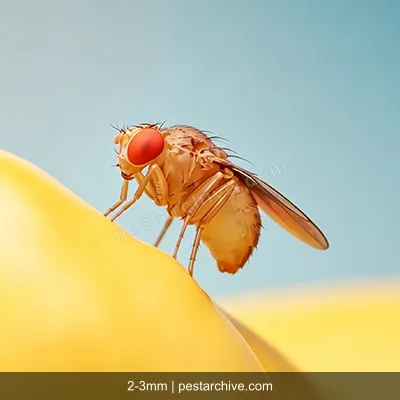
Do fruit flies bite?
Fruit flies do not bite; this you can be assured of.
Why don't fruit flies bite?
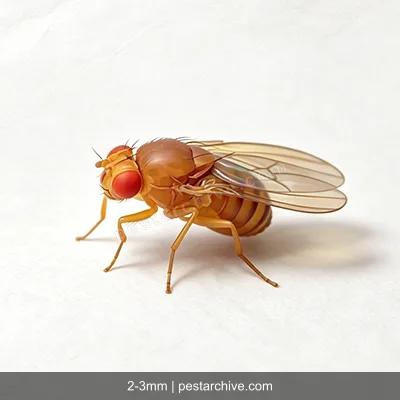
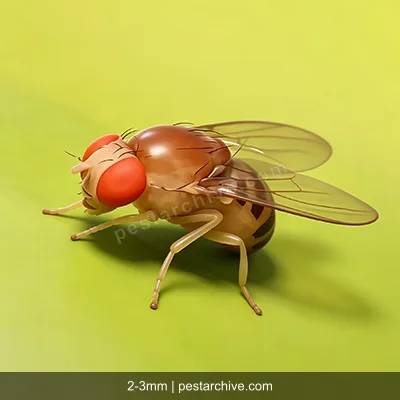
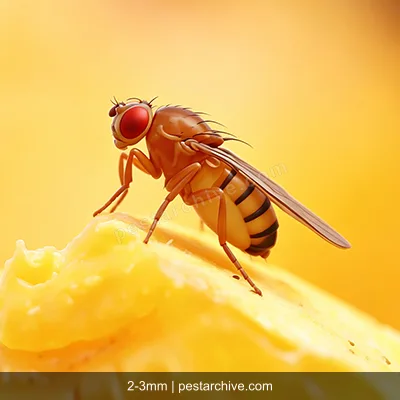
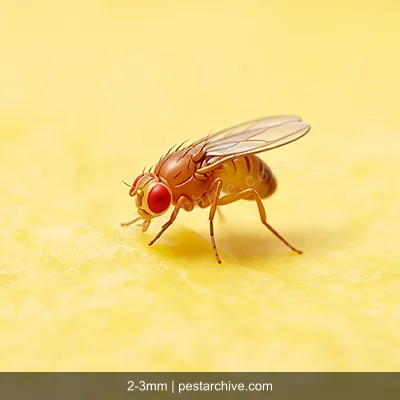
Fruit fly mouthparts are sponging type (sponging mouthparts), like a small sponge, only capable of lapping up liquid food — nectar, fruit juice, and liquid on the surface of rotting fruit. They have absolutely no ability to cut or pierce skin. Their mouthpart structure is completely different from blood-feeding insects (such as mosquitoes and fleas).
Why do fruit flies land on people?
Fruit flies landing on people is only a brief stop, usually because:
- Human sweat or body odor contains chemical components that attract fruit flies (e.g., fermented sugars).
- Unintentional misdirection — they just happen to land on a person.
- Seeking moisture; in summer when people sweat more, fruit flies may be attracted.
Fruit flies will stop briefly and fly away; they do not bite, sting, or suck blood.
The real harm of fruit flies
Although fruit flies do not bite, they are indeed a hygiene concern:
- Contaminate food — fruit flies crawling on fruit, vegetables, and kitchen waste may transfer microorganisms from decaying matter to fresh food.
- Spread mold spores — fruit flies are especially attracted to fermented, rotting fruit and may carry mold spores on their bodies, accelerating fruit spoilage.
- Rapid breeding — a female fruit fly lays hundreds of eggs at once; within days, new flies emerge, and large numbers are a nuisance.
Correct methods for fruit fly control
Since fruit flies do not bite, there is no need to worry about personal safety; focus on controlling their numbers:
- Wash fruit promptly after purchase; refrigerate what you cannot eat immediately.
- Dispose of kitchen waste and sweet fruit peels like banana peels promptly.
- Keep garbage bins covered to prevent contact with decaying matter.
- If fruit flies are found, use traps or spray dinotefuran-containing household insecticide around garbage bins.