What Germs Do Fruit Flies Spread?
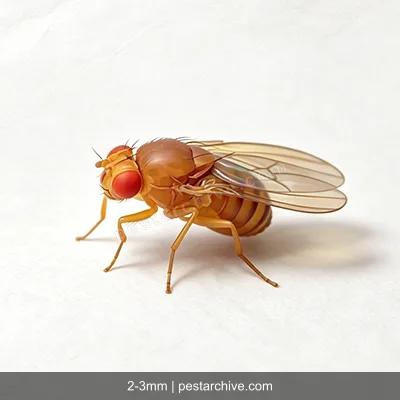
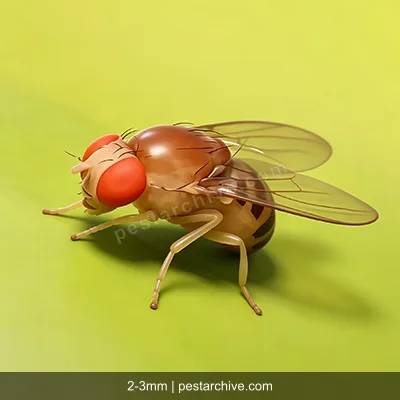
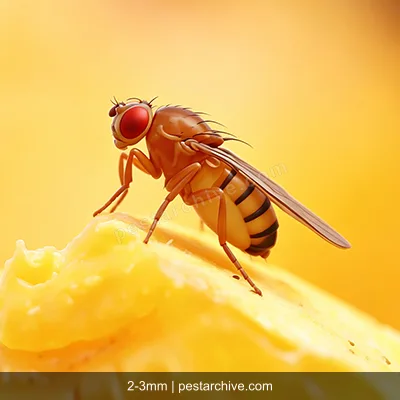
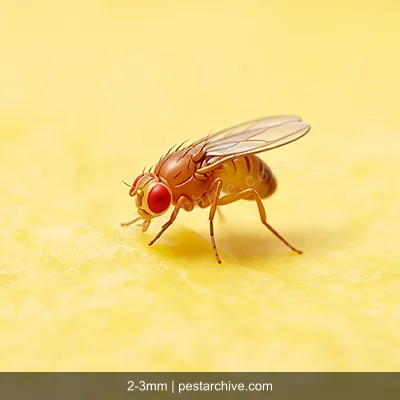
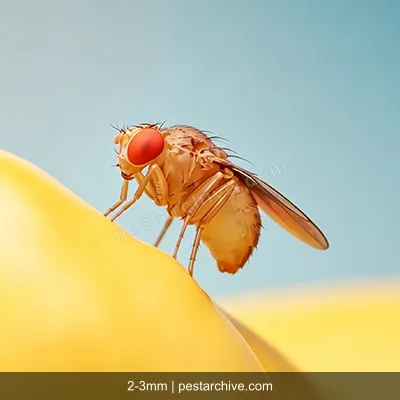
What Germs Do Fruit Flies Spread?
Fruit flies do spread germs, but the risk level is lower than with house flies. Here are the microorganisms fruit flies may carry and spread:
Main Microorganisms They Spread
- Acetic acid bacteria — The bacteria fruit flies carry most often. They make fruit ferment and turn sour, accelerating the rotting process. When a fruit fly feeds on rotting fruit, then flies to fresh fruit, the bacteria spread.
- Yeasts — Fruit flies are especially active around fermenting fruit, and their bodies often carry various yeasts. While yeasts aren't harmful to humans, they do speed up fruit fermentation and spoilage.
- Mold spores — As fruit flies move around decaying organic matter, the fine hairs on their bodies easily pick up mold spores. When these spores spread to food, they cause mold growth. Some molds (like Aspergillus flavus) can even produce toxins.
- Salmonella — Studies have detected Salmonella on fruit flies, but because fruit flies don't contact feces and garbage as frequently as house flies do, the risk is far lower.
How They Spread Germs
- Physical carriage: As fruit flies crawl over decaying material, microorganisms stick to their legs and bodies, then get transferred to fresh food.
- Fecal contamination: Fruit flies defecate as they feed, and their waste may contain microbes.
- Regurgitation: Fruit flies spit up digestive fluids when feeding, which may contain previously ingested microbes.
Risk Comparison
- Fruit flies vs. house flies: The disease transmission risk from fruit flies is much lower than from house flies. House flies shuttle between feces, garbage, and food and carry far more types and numbers of pathogens. Fruit flies mostly stay on decaying plant matter and rarely contact feces or carrion.
- Fruit flies vs. cockroaches: Cockroaches also pose a higher germ-spreading risk than fruit flies because they range more widely (including sewers and bathrooms).
Hygiene Advice
Even though fruit flies don't pose a high risk of serious disease, having them in the kitchen is never sanitary. We recommend:
- Cover food with plastic wrap or use airtight containers
- Wash fruit before eating
- Dispose of food waste promptly
- Keep kitchen countertops clean and dry