Where Do Grain Mites Usually Breed?
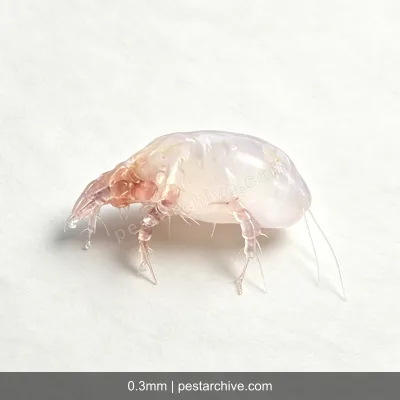
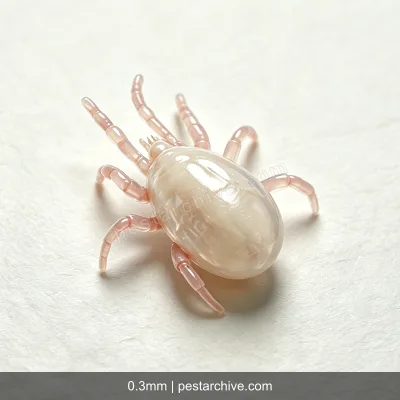
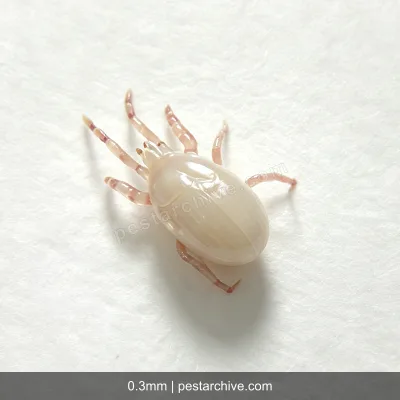
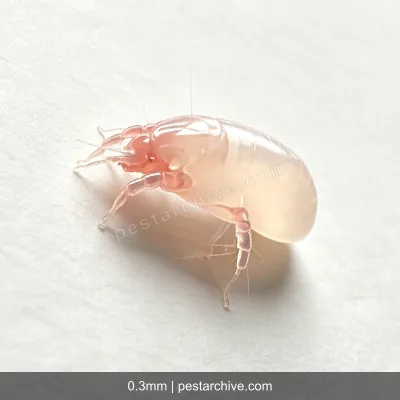
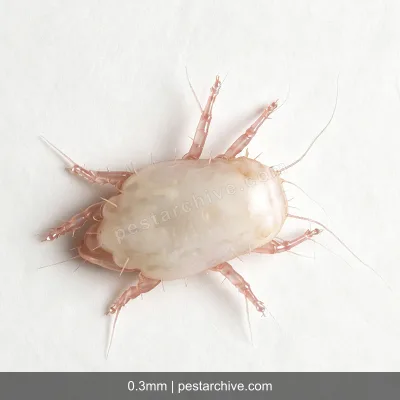
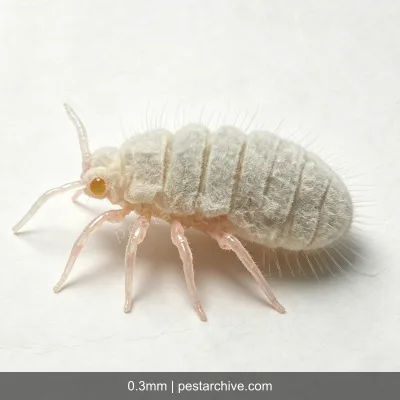
Where Do Flour Mites Usually Breed?
Flour mites need two things to thrive: a food source and the right humidity (they reproduce fastest when humidity exceeds 60%). Here are the specific spots where they're most often found:
Indoor Breeding Sites (Ranked by Likelihood)
- Kitchen cabinets (Most Common)
- The opening of unsealed rice bags and flour bags.
- Containers of bulk grains, beans, and dried fruit.
- Pet food bags left unsealed after opening.
- Expired pastries and cracker boxes.
- Kitchen Work Zone Dead Spots
- Gaps between countertops and walls where food crumbs have fallen and never been cleaned.
- Under the sink cabinet — damp with food debris.
- Around spice racks near the stove, where grease splatter and powder accumulate.
- Pantry and Food Storage Rooms
- Stacks of dry goods that haven't been checked in a long time.
- The bottom of bulk food packages, where spilled powder collects.
- Damp food items stored in cardboard boxes.
- Living Room and Bedroom (Relatively Rare)
- Snack crumbs dropped while eating in the bedroom.
- Pet treats piled in a corner.
- In rare cases, damp old books and newspapers (flour mites eat the mold and glue on the paper).
How to Inspect
Use a flashlight to illuminate cabinet corners and crevices. Use a magnifying glass to examine suspicious powdery accumulations. If you see grayish-white dots slowly moving, it's almost certainly flour mites. Pay special attention to the openings of food packages that have been opened for over a month without being finished.
Outdoor Sources
- Grain storage warehouses.
- Near grain processing facilities.
- Pet food storage areas.
Key Spots for Prevention
- All kitchen cabinets that store food.
- Storage areas near floor level.
- Around pet food bowls and food bags.