How to Prevent Grain Mites in Stored Food?
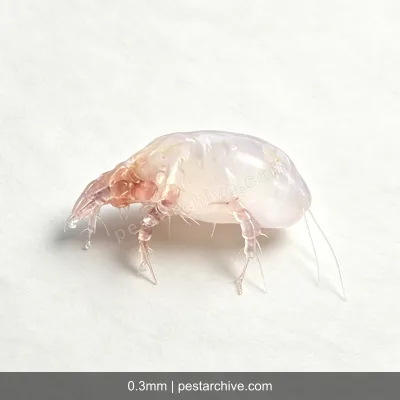
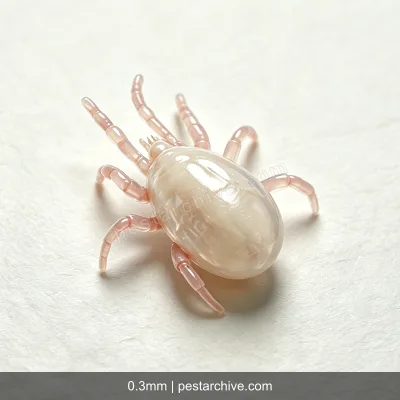
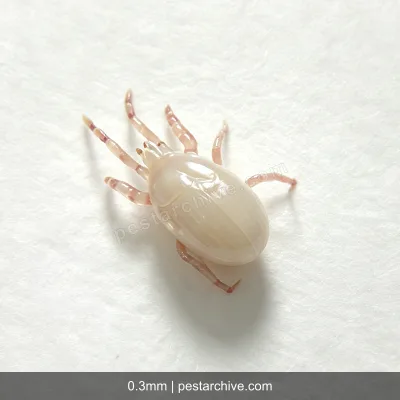
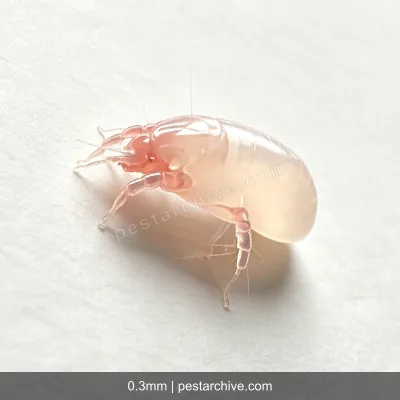
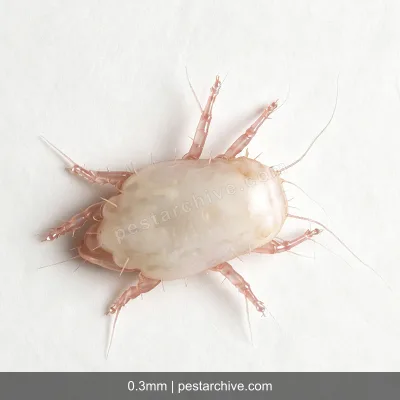
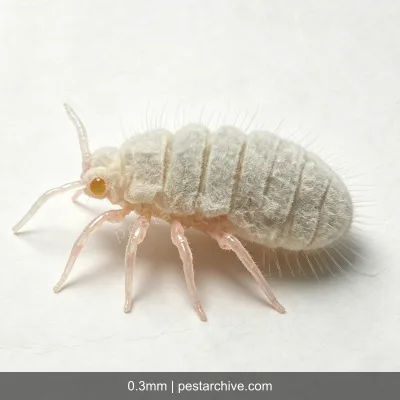
How to Prevent Flour Mites in Stored Grains?
The key to preventing flour mites in stored grains is creating conditions where they can't survive:
- Airtight Storage (Most Basic)
- After buying rice, flour, and whole grains, don't keep them in their original opened bags. Transfer them into airtight jars, containers, or sealed bags.
- Seal pet food after opening too. Flour mites especially love high-protein pet food.
- For dried fruit, crackers, milk powder, and other snacks, clip the bag tight or transfer to an airtight container after opening.
- Environmental Control
- Store grains in a cool, dry place — away from the sink, stove, and other humid areas.
- Keep the kitchen and pantry well-ventilated. Keep humidity below 50%.
- Place desiccants in cabinets (silica gel packs, bamboo charcoal bags).
- First In, First Out
- Don't buy too much grain at once. In summer especially, buy smaller amounts more frequently.
- Put newly purchased grains behind older ones on the shelf. Use up the older stock first.
- For bulk packages, divide into smaller portions. Finish one portion before opening the next.
- Regular Inspection
- Check stored grains and dry goods every two weeks.
- If you see signs of flour mites (grayish-white powder on the surface and tiny dots moving), deal with it immediately.
- Seal and discard contaminated grains. Don't try to salvage them.
- Be Smart When Buying
- Choose vacuum-packed grains whenever possible.
- For bulk grains, freeze them for 48 hours before transferring to airtight storage at home.
- Check the production date. Buy the freshest products you can.
Can You Salvage Grains with a Few Flour Mites?
A light infestation (just discovered, hasn't spread widely) can be salvaged: put the grains in a sealed bag and freeze at -18°C (0°F) for 48 hours. The low temperature kills adult flour mites, nymphs, and eggs. After freezing, sift out the debris and use the grains soon. But if the infestation is heavy, it's better to throw them away.